Charlie Kirk on The College Scam: Why Most Kids Shouldn't Go to College
Enjoying this? Share it with someone who needs to see it.
Up Next
Charlie Kirk Challenges Economics Student on Why College Fails to Teach Thomas Sowell and Milton Friedman
2:57
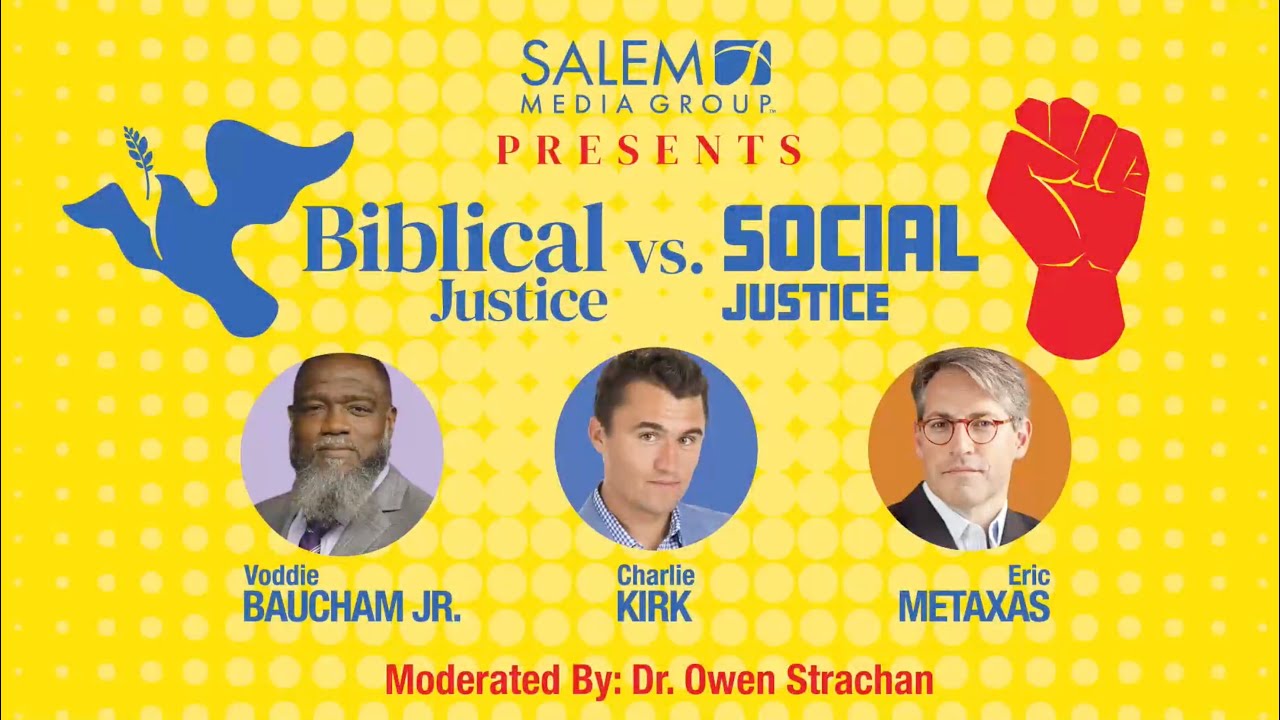
Charlie Kirk, Voddie Baucham, and Eric Metaxas Expose the Dangerous Lie of Social Justice at Salem Panel
47:58
Charlie Kirk Confronts College Students About Why Higher Education Has Become a Scam for Most Americans
30:51
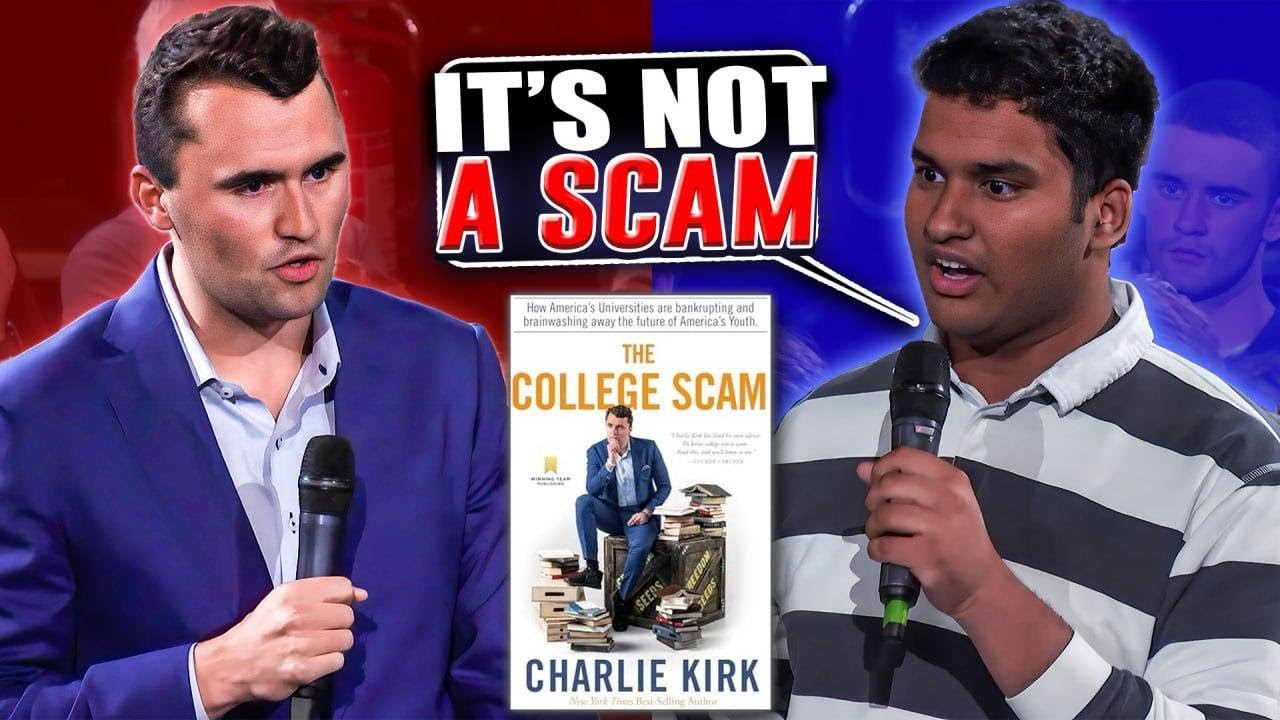
Charlie Kirk on The College Scam: Why Most Kids Shouldn't Go to College
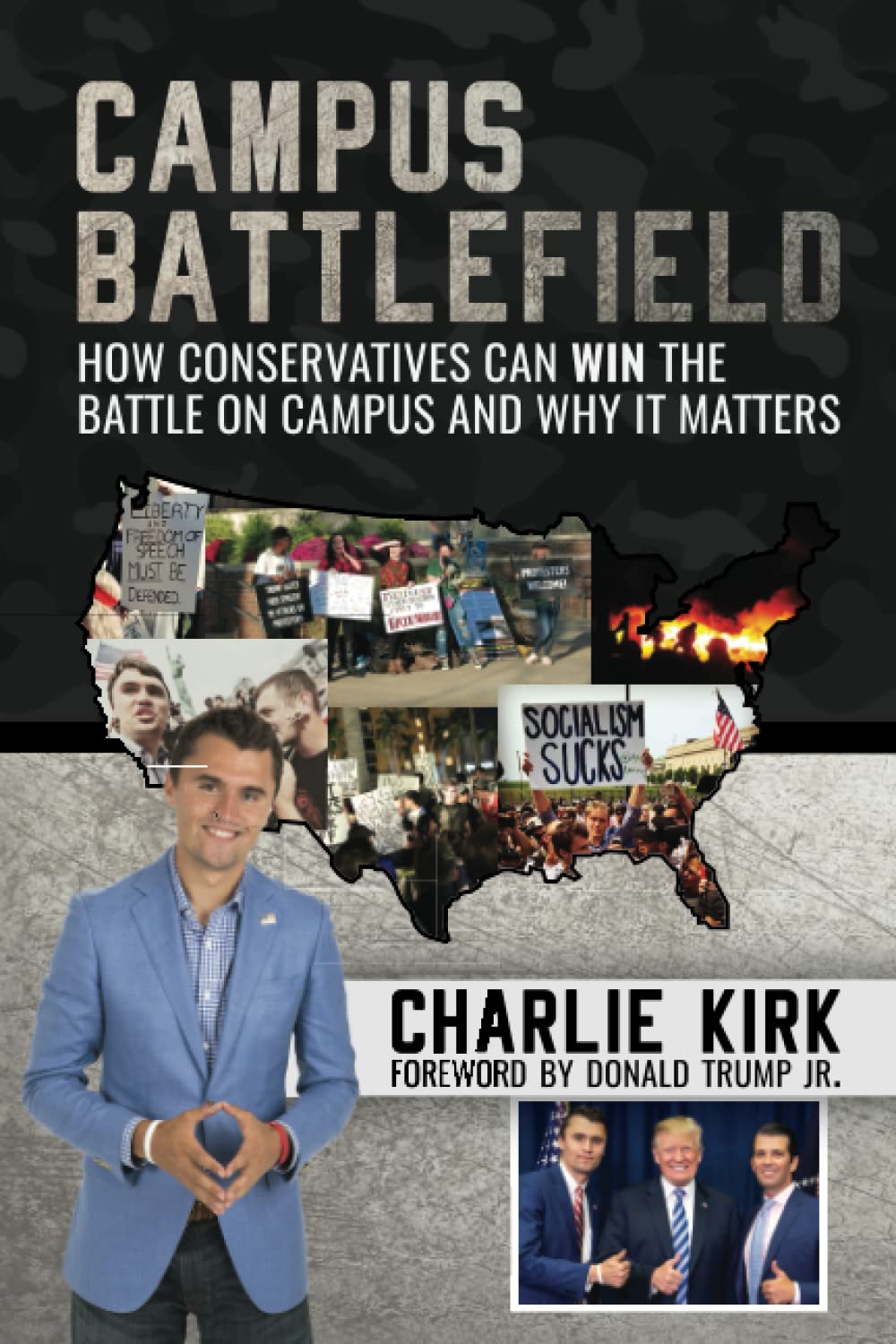
Charlie Kirk unpacks his forthcoming book, The College Scam, arguing that the college industry has become as destructive as a drug cartel. Kirk, who didn't attend college himself, makes the case that most young people should reconsider the traditional college path. He challenges the "piece of paper" argument, pointing out that employers are increasingly dissatisfied with college graduates and willing to value real-world experience over degrees. Kirk also addresses the spread of harmful ideologies in schools, from colleges down to elementary education, and advocates for alternatives like homeschooling and parent-focused education models.
Charlie Kirk introduces his book, The College Scam, with a bold premise: the college cartel has inflicted serious damage on America. Drawing from his own experience of not attending college, Kirk argues that far more young people need to seriously consider alternative paths. He doesn't mince words when comparing the college industry to the Mexican drug cartel, citing the bad ideas and "idea pathogens" that have infected the core of American society.
While Kirk acknowledges exceptions like Hillsdale College that remain worthy of support, his central thesis challenges conventional wisdom: most kids should not be going to college. It's an argument he believes people know deep down but are afraid to say out loud.
The Piece of Paper Myth
Kirk tackles one of the most common objections head-on: the belief that students need a college degree simply for the "piece of paper" that gets their resume past HR departments. His response draws on changing employer attitudes.
According to Kirk, employers are increasingly dissatisfied with what colleges are producing. The piece of paper doesn't carry the weight it once did. Instead, businesses are looking past credentials to ask substantive questions: What have you actually done? What internships have you completed? What can you produce? How do you think and present yourself?
Kirk goes further, arguing that college actually undermines these qualities. Rather than developing independent thinking, confidence, and clear communication, he believes the college experience erodes what makes young Americans exceptional. This isn't just about financial waste—it's about the intellectual and personal cost of the current system.
A Multi-Trillion Dollar Enterprise
The College Scam puts the entire college industry on trial for what Kirk sees as a dual crisis: bankrupting the country financially while brainwashing youth ideologically. He characterizes it as a multi-trillion dollar enterprise designed with a sinister purpose—to turn children against their parents.
This indictment extends beyond just the economics of student debt. Kirk is concerned with the fundamental transformation of values and worldviews that occurs on college campuses across America.
The Problem Starts Earlier
When the conversation shifts to younger students—kindergarten through eighth grade—Kirk identifies another troubling trend: the proliferation of gender ideology and non-binary identification among children. He paints a scenario that's becoming increasingly common: parents send their son or daughter to school, and the child comes home declaring they're non-binary and that male and female distinctions don't exist.
Kirk's advice to parents is direct: push back against government schools and show up to school board meetings. While he jokes that his next book could be "the elementary school scam," he focused on colleges first because he views that level as completely unnecessary for most students.
Alternative Education Models
For elementary-age children, Kirk sees a stronger argument for formal schooling than for college, but he advocates for dramatic changes in how Americans approach education. He calls for an increase in homeschooling, parent-focused schooling, and pod schooling models.
These alternatives, Kirk believes, will lead to a genuine revival in American education—one that empowers parents rather than government institutions, and one that preserves rather than undermines the values families want to pass on to their children.