Up Next

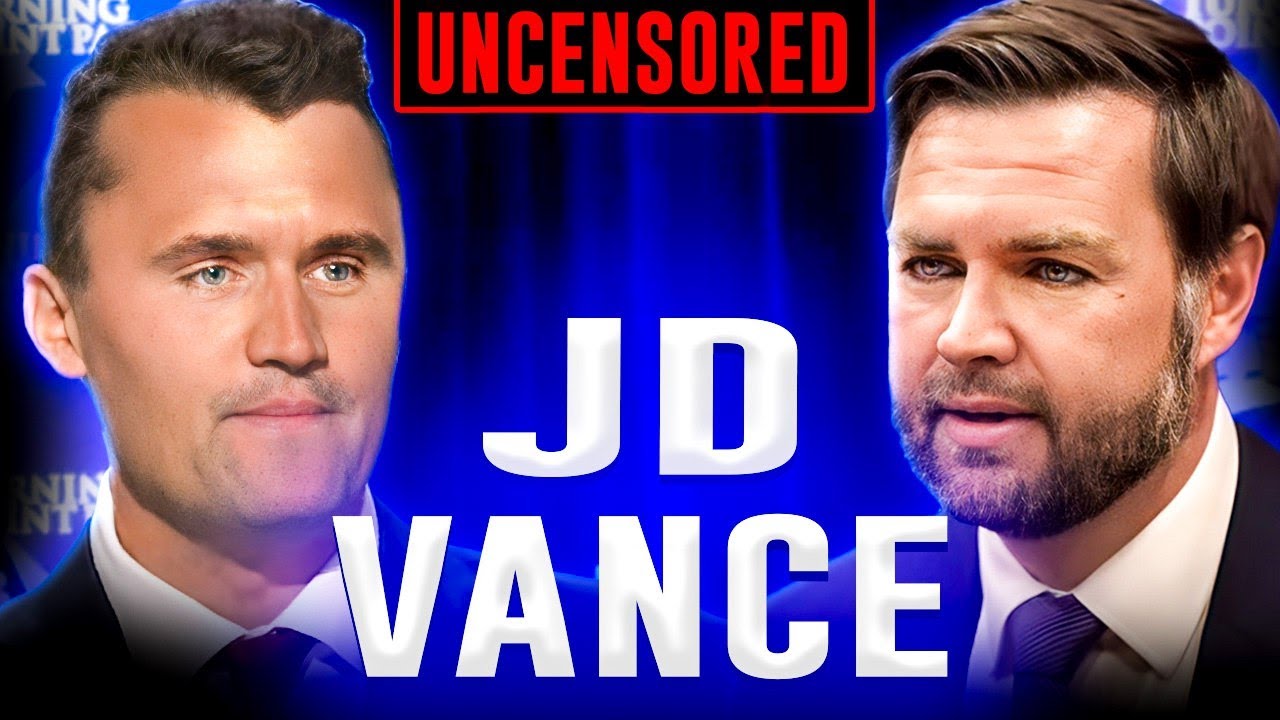
Charlie Kirk Built the World's Largest Conservative Youth Organization from a Card Table and Conviction
1:35:50

Charlie Kirk Exposes the Transgender Movement and Spiritual Warfare Targeting America's Children at Legacy Church New Mexico
2:02:39

Alex Marlow, Charlie Kirk and Nigel Farage Honor Andrew Breitbart's Legacy as Conservative New Media Pioneer
20:50
Charlie Kirk on Trump's Indictment, America's Moral Decline, and the Battle for the Next Generation
Charlie Kirk sits down for an extensive conversation about the state of America, covering everything from the manufactured prosecution of Donald Trump to the collapse of patriotism among younger generations. Kirk addresses why he remains loyal to Trump despite maintaining respect for DeSantis, explains how social media censorship nearly destroyed his platform, and reveals his strategy for winning back a generation that's only 15% proud to be American. The founder of Turning Point USA doesn't hold back on the Christian compromise problem, the restrict act's threat to free speech, and why he believes the indictment of Trump represents a legal Pearl Harbor that changes American politics forever.
The Man Who Started a Movement at Eighteen
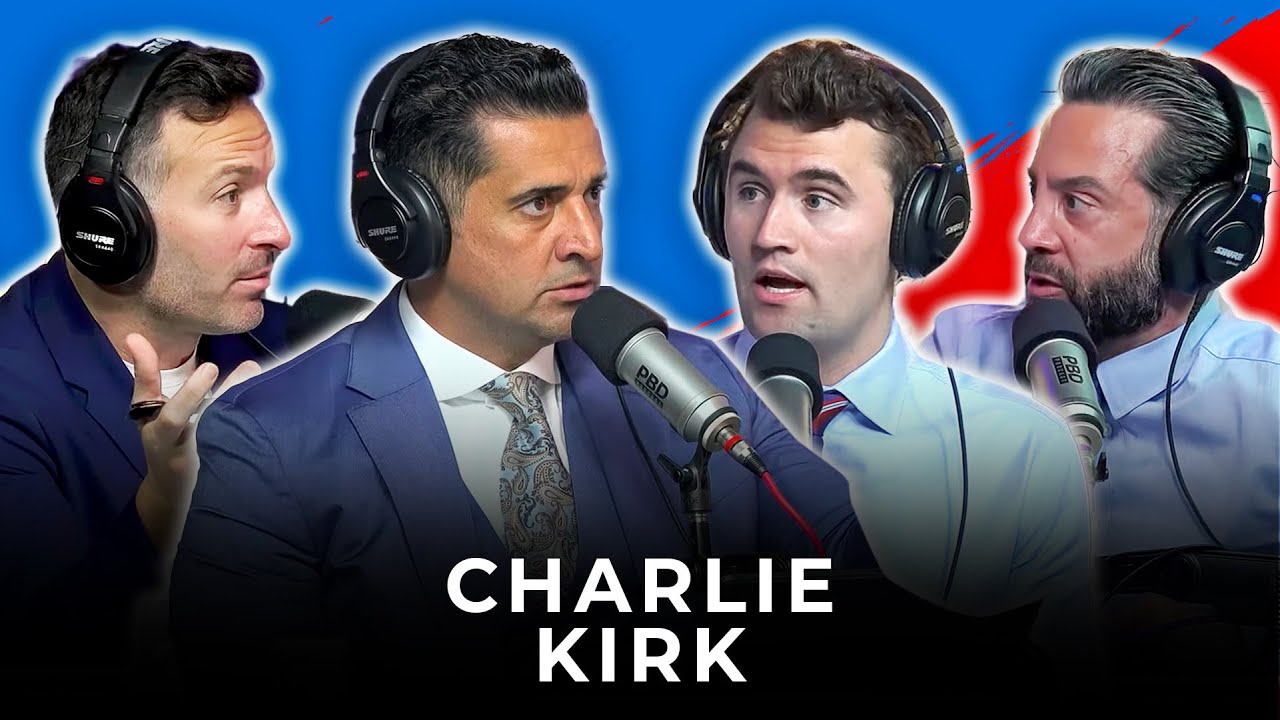
Patrick Bet-David introduces Charlie Kirk as a force to be reckoned with for decades to come, recounting witnessing Kirk raise over forty million dollars in ninety minutes at a fundraiser. Kirk, who founded Turning Point USA at eighteen years old without attending college, has built one of the largest organizations in the conservative movement. His mission centers on restoring the promise of the American founding and living in a free society, believing the Constitution is the greatest political document ever written and that America is the greatest nation ever to exist.
Kirk also hosts a national radio show and runs one of the top five conservative podcasts. When asked about his high school self, Kirk describes being very political, hyperactive, an Eagle Scout, football captain, and basketball captain. He jokes that he definitely would have been medicated for ADHD if he were in high school today, calling it both a blessing and a curse that he tries to channel for good.
The Collapse of American Values
The conversation shifts to alarming polling data on patriotism across generations. Baby Boomers and older show seventy-three percent pride in being American, Gen X fifty-six percent, Millennials thirty-six percent, and Gen Z a dismal fifteen percent. Kirk addresses how he plans to reach these younger demographics, explaining that he goes directly to college campuses where his events have become so successful they struggle to find rooms large enough to accommodate all the students who want to attend.
Kirk argues that the core message of why we love America shouldn't be political. He explains the American founding was an unbelievable unique moment in human history, reliant on classical observations of human nature that made claims against tyranny in the pursuit of liberty. The founders believed in the individual and the dignity of the individual, that the person is made in the image of the Divine, therefore having worth and dignity. This belief system built around the sovereignty of the individual has turned into the most amazing society ever to exist, and now we're deciding to end that.
Wall Street Journal data shows a collapse in American values, with patriotism, community involvement, having children, and going to church all descending in importance, while only money has increased in value. Kirk identifies this as hyper-individualism, clarifying that while he supports capitalism and believes markets work, they must exist in harmony with other duties that make money meaningful. Otherwise, it's nothing more than pleasure or things that will erode to dust.
The Christian Compromise and the Muslim Alternative
The discussion turns to Andrew Tate's conversion to Islam and his argument that Christianity has compromised its values while Islam remains uncompromising. Kirk acknowledges that many Christian denominations are becoming more like the world than following the word, but argues this is a bad reason to convert to Islam. He points out there are plenty of uncompromising Christian churches available.
Kirk explains we're living through what Nietzsche predicted in the 1860s through 1880s when he stated that God is dead. Nietzsche was not celebrating this but warning that if the West replaces God with consumerism, the Industrial Revolution, and hyper-individualism, we should be careful what takes its place. We're now living through a mixture of synthetic worldviews that emerge when Christianity or cogent Western morality deteriorates.
The conversation explores why Islam appears attractive to some, particularly black men, as a religion unapologetic in patriarchy. In a hyper-feminist world, this seems appealing. Kirk notes this isn't new, pointing to Malcolm X, Muhammad Ali, and Kareem Abdul-Jabbar. However, Kirk argues Islam goes too far in the order direction, creating theocratic fascist countries without freedom of speech, dialogue, private property rights, or entrepreneurship. The West is best because it balances order with spontaneity and unpredictability.
The Missing Christian Celebrities
When asked who the most famous non-pastor Christian is today getting others to convert, Kirk struggles to name someone comparable to Muslim celebrities converting others. He acknowledges figures like Justin Bieber say good things about Jesus but aren't theologically sound. Mark Wahlberg gets mentioned for his recent public embrace of Catholic faith and his move to Nevada, though he immediately caught heat for it.
Kirk notes this represents a massive shift from the 1950s and 1960s when major cultural figures like John Wayne, Joe DiMaggio, and Babe Ruth were outspoken Christians. Now the landscape is dominated by secularism or agnosticism, and any Christian celebrity who speaks out must preface it with social liberalism. Kirk points out Patrick Mahomes is an outspoken Christian who loves America, and Tom Brady is a pro-American conservative, though there's a difference between being something and actively promoting and driving it.
The conversation touches on how Netflix, Amazon, and Hulu documentaries consistently portray Christians negatively. Kirk challenges anyone to find a film in the last ten years that portrays someone who is Christian in a positive light. The archetype has become that if you see a Bible in a film, that person will almost certainly be a villain or hypocrite, rarely someone acting ethically or morally.
The Twitter Blacklist Revelation
Kirk reveals he was placed on Twitter's do not amplify list, learned through Elon Musk's Twitter Files reported by Bari Weiss. His account, which according to Axios was the fourth largest engaged Twitter account on the planet averaging one hundred thirty-five thousand retweets daily, dropped overnight to one thousand retweets per day. This shadow ban happened without his knowledge, and Jack Dorsey lied under oath to Congress about such practices.
Kirk emphasizes that without three critical developments, America would look even more like East Germany than it does now. First, Elon Musk buying Twitter. Second, Spotify not dropping Joe Rogan, though Kirk believes Rogan might not renew his Spotify contract and could be successful doing his own thing. Third, Rumble existing as competition to YouTube. Kirk discloses he's a shareholder in Rumble and believes what they're doing is magical in pushing back against YouTube's dominance.
The Restrict Act: Patriot Act 2.0
Kirk sounds the alarm on the Restrict Act, which he calls the Patriot Act on steroids for social media. While marketed as legislation to ban TikTok due to Chinese data harvesting, Kirk argues it would give the Secretary of Commerce unprecedented censorship authority. The bill has bipartisan support, which Kirk says is a red flag that lobbyists are pushing something bad for freedom.
The concern is that under the Restrict Act, the government could ban Telegram, Rumble, and Twitter based on foreign components. Telegram was founded by a Russian, Rumble in Canada, and Twitter has shareholders like the Saudis. Kirk hates TikTok and thinks it's digital fentanyl, but believes giving DC unprecedented censorship authority when the internet is becoming freer would be a massive mistake. He argues the tech companies Google and Facebook are pushing this legislation to eliminate competition.
Trump's Indictment: A Legal Pearl Harbor
Kirk calls Trump's indictment a legal Pearl Harbor, something that's never been done before that we'll never forget. He argues they're directly interfering with an election, and if they don't like Trump, they should beat him at the ballot box. Based on public reporting and grand jury leaks, Kirk believes this is a paperwork error that might be a misdemeanor being upgraded to a felony, while Alvin Bragg has downgraded fifty-two percent of previously classified felonies to misdemeanors.
Kirk introduces the concept of anarcho-tyranny from Sam Francis, where basic things needed to keep society safe like holding murderers accountable or prosecuting drug trafficking and arson are being loosened, while tyranny increases for politically favored crimes. The real crime Trump committed, according to Kirk, was winning the 2016 election. The left in New York and the elite were legitimately traumatized the night Hillary Clinton was supposed to break the glass ceiling, and they swore a blood oath seven years ago to get him.
Kirk points out this isn't the first attempt to take out Trump through non-democratic means. They tried with the FISA court warrant obtained illegally by James Comey and Peter Strzok to spy on his campaign, then the first impeachment over a phone call, then the second impeachment over January sixth. He believes there's great fear they won't be able to replicate what happened in 2020, whether you believe it was fraud or just unusual circumstances with mail-in ballots, private Zuckerberg money, drop boxes, and COVID confusion.
The Loyalty Question: Trump versus DeSantis
Kirk addresses his complicated position having endorsed Trump for 2024 while maintaining respect for DeSantis. He explains Turning Point USA as a 501c3 must stay out of politics by law, focusing on educational work on high school and college campuses. Personally, Kirk endorsed Trump and admits losing ten or twelve major donors over it, but explains his reasoning with loyalty at the center.
Kirk was twenty-four years old sitting in the Oval Office as a non-college graduate, getting invited on Air Force One. Trump was generous to Turning Point USA when Kirk was not nearly as successful or popular as today. Kirk says he would be the most ungrateful, short-sighted person to turn my back on the man who believed in me. Beyond loyalty, Kirk genuinely believes Trump was a fabulous president, noting his relentless work ethic, unmatched energy, love of country, amazing patriotism, and creativity.
On DeSantis, Kirk acknowledges it's true that DeSantis wouldn't have been the Republican nominee without Trump's endorsement when he was down thirty points to Adam Putnam. The Tampa Bay Times headline read fueled by Trump, Ron DeSantis easily beats Adam Putnam despite Putnam spending thirty-seven million dollars, more than twice what DeSantis spent. However, DeSantis became a great governor on his own merit with an unbelievably good record, especially during COVID.
When asked what he would do if he were DeSantis, Kirk says he'd probably still run, referencing Chris Christie as folklore in conservative world, the man who never ran in 2012 when he was the darling of the Republican Party. Kirk explains it's better to run and lose than to not run at all and be forgotten, citing Rahm Emanuel's advice to Obama in 2004 after his DNC speech. Kirk predicts Trump will win the nomination absent a black swan event, as the indictment validates every core argument Trump makes about the system being against him, helping him tremendously in the Republican primary.
The Path Forward for America
Kirk argues that in times of great crisis, people inherently point back to great tenets or truths. After 9/11, America unified because the great truth was nobody messes with the greatest country in the world. The word together kept coming up as people healed, mourned, and were angry together. However, in an age of moral relativism where everybody's truth is okay, there's no standard ruler for morals, patriotism, faith, or what's good for community.
The conversation traces the crack in America's heart back to 1968-69 when four things came together: the deaths of Bobby Kennedy and Martin Luther King, the Summer of Love, and what some believed was the senseless sending of young men to war if they didn't get into college. This created a loss of faith in elders and institutions. While the Summer of Love was well-intended with the idea that everybody's truth is okay, the unintended consequence was losing control when there's no single standard.
Kirk warns that if moral chaos continues, tyranny comes next. There's a totalitarian impulse running through the country called identity politics and political correctness. The answer won't be more freedom or liberty in the short term, but instruments of meaning and somebody to tell you what to do, which is one reason the COVID fascism was accepted by so many Americans for so long. Strong leaders emerge when the moral fiber of a country decays.
Kirk believes the American founding is the great rallying point, so beautiful, exceptional, and rare in human history that people yearn to actually love the place they live. He thinks people want an excuse to love America, and the promise of the founding can be that great unifier. While people can disagree on tax policy or immigration, we should at least agree these founders were onto something very big, bold, and beautiful, and we're recipients of that legacy. He points to Top Gun Maverick as evidence, a pro-Americana film that became the number one movie because it didn't pander much to identity politics and could have been made in the eighties or nineties.
Video Transcript
foreign Kirk if you know Charlie or you don't know Charlie this is a man that's going to be a force to be reckoned with for decades and decades to come whether you love them or hate them you're gonna have to deal with them so if you're watching this because you watched a couple of our podcasts and you come in here because you like to post some of the guests that we bring or you support them this man's not going away I had a chance to be at one of your fundraisers a couple months ago I watched you raise 41 I think it was 40. I don't know the number I thought it was 40 or 41 million dollars is a lot in an hour and a half and he is the founder of Turning Point USA started it at 18 years old it's grown into a bunch of different things that they're doing today uh uh you you you you you like confrontation you like you like debate you like banter you like a good fight you're a fighter that's the feeling I get from you so it's great to have you on the podcast I'm a big fan of yours Patrick's I love your channel but more more importantly I love your story and I I love what you've created you create a lot of value for a lot of people I appreciate you and we've had you our guys have had you had multiple accounts one of the most amazing things I mean it's hard to create things it's hard to create big things it's hard to create big things over a long period of time and you've made a lot of people wealthy and yourself wealthy because you earned it and going to the event in Vegas I think I did two one remote one in person just hearing their stories unbelievable I mean these are people from every Walk of Life every background and they have purpose and they have meaning and they own their own business and they're doing really substantial things for themselves in their communities so good on you yeah thank you for that so for the audience that by the way we have a Biz Doc in the house as well we just came out of two board meetings this morning back to back we had to run I'm like Tom where are you says I'm walking downstairs I sit downstairs is now 59.90 and it was yet to come over here uh this Thursday we're gonna do a live podcast here we're in a couple hundred people Giuliani will be here Reuben will be here it'll be interesting and then we got sauce cast uh here with us as well Charlie for people that don't know you if you don't am I taking a moment and given a brief background of how Charlie became Charlie Kirk okay well first I didn't go to college so that's important in the biography um I've been doing this it'll be 11 years in June uh running Turning Point USA which is now the largest organization of its kind in the entire conservative movement um my why why I do what I do is to try to restore the promise of the American founding to live in a free Society we believe the Constitution is the greatest political document ever written We Believe America is the greatest nation ever to exist and we believe we're failing to teach that to young people which is one of the many reasons why our country's falling apart um and then I also host a national radio show every day which I'm actually taking off today to help to be with you guys and kind of just have a nice uh nice day off and then also podcast which is one of the top five conservative podcasts out there and do a lot on social media as well so so if I was in high school with you 14 years old let's just say we're in 10th Grade 15 years old yeah who was Charlie in in 10th Grade I was very political then uh and also hyperactive so that hasn't changed uh Eagle Scout football captain basketball Captain didn't sit still well I definitely would have been medicated if I was in high school today ADHD medication uh definitely but uh some call it a gift some call it a medical you know you have an issue but blessing and a curse that's right so uh but I try to channel it for the good right uh that's what I love about living in a free Society that's increasingly less free but you can make something of yourself in this country certainly I want to piggyback on something you said that I think was very powerful and I don't want to just skip over it because I believe you're 30 uh 29 29 so so you're going to be 30 this year uh in October yeah okay happy soon to be 30th birthday yeah it's already 30 30. I highly anticipated one of the things that that is very disappointing to me as someone just loves America left right up down is actually what you said about you know young younger generation these days and their lack of patriotism and lack of appreciation for America the stats are when it comes to polling um as far as love of country and patriotism Baby Boomers and older 73 love America proud to be American Gen X 56 Millennials 36 percent gen Z which I don't know if you're gen Z or a millennial you're younger Millennial far worse than we are but yeah 15 percent proud to be American so Pat completely hit the nail on the head whether you love you or hate you you're going to be around for the next 30 50 plus years opportunity wouldn't you say Patrick exactly you've got a growth opportunity it's in to try to get people to love the country the people that are going to be listening to you Charlie are not the Boomers they're I mean they're 65 75 plus it's going to be the Millennials in gen Z how do you get them to love America again and appreciate your message yeah it's it's challenging so I actually go to the Target demographic themselves and I visit campuses I speak with these students and kids and praise God I mean our campus tour this last uh semester was the most successful we ever had we actually couldn't find rooms big enough to fit all the students that wanted to come to our events which was great and look I have very strong political opinions we can talk about that if you guys want but the basic core argument of why we love America shouldn't be political which is the American founding was an unbelievable unique moment in human history because it was reliant on some classical observations of human nature that made claims against tyranny in the pursuit of Liberty that believing not in sectarianism or tribalism but instead in the individual and the Dignity of the individual that is you can disagree at this but the founders largely believed that it was made in the image of the Divine therefore there's worth and there's Dignity of that person you don't have to accept that but at least you can accept the idea that you know the individual is Sovereign and matters and then you build a system around that that has turned into the most amazing Society ever to exist and now we're deciding to end that so to your point two points yes the younger generation has deep resentment for the nation for because they're taught that in the government schools and they're taught that in popular media and secondly um they don't understand or they cannot properly articulate why this is the greatest nation ever to exist in the history of the world and there's great reasons for it it's my job to try to convince them and educate them albeit in 15 to 20 second sound bites with the attention span decreasing but I believe you know my purpose is to try to make sure my daughter who's seven months old lives in a free society and we are currently heading in the wrong direction very quickly okay so let's go with that let's go with that because uh you know a lot of people are following Tate Tate became the most viral person on the internet uh him and I were speaking when he got out of jail and you know they're now on house arrest and we're having a conversation about some of the things that's going on uh he went from evolve from being a guy that was an atheist as a young guy coming up okay then he started seeing what the Christian you know Christian denomination was doing and what they stood for said these are interesting principles kind of welcomed it then he partially lost respect in the Christian religion the denomination that started compromising and saying yeah we'll accept this we'll accept that we'll accept this what about this and then he says the only religion that seems to not break when it comes down to their values as Muslim and then he went and became a Muslim and that's what he supports now that may be extreme to you but the part that when I talked to a lot of the youngins who are following him and following what he's saying that argument is a good argument to say if you are going to be a conservative if you are going to be a Christian well your church is starting to say yeah it's okay Pope it's okay you can come in as long as you bring money you can come and you can come in versus the Muslims saying hey you can't so what what do you say to the criticism the West is getting by a lot of people saying the West is no longer what it once was and it's past the Tipping Point meaning there's no longer a saving of the West what do you say the first part you're probably right I mean we're in a complete terminal decline and it's hard to disagree with that a moral decline economic decline Financial decline fiscal decline I don't think we're past the Tipping Point to the Andrew Tate part I think that's a bad reason to convert to Islam I don't think there's a good reason to convert to Islam but because there's plenty of uncompromising Christian churches but generally yes it is true that a lot of Christian denominations are becoming more like the world than not following the word happy to talk more about that if you want but that that is the question is where is the West and you kind of gotta have to take a pulse there's plenty of reasons for optimism I'm seeing a kind of renewed sense of patriotism and certain sex I'm seeing what we're doing at Turning Point USA I'm seeing parents get more involved in school boards at the same time we're living through what Nietzsche predicted in the 1860s 1870s and 1880s where he did not Proclaim it but he stated God is dead and the next and again that's it's misquoted because people think he was celebrating the death of God he was not but he he was saying is that hey you in the west if you are going to replace god with consumerism and the Industrial Revolution and Hyper individualism be careful what's going to take its place and we're kind of living through the kind of mixture of synthetic worldviews that take its place when Christianity or a cogent Western morality uh deteriorates so what do I say to the compromising Christians well stop compromising and then I I wouldn't also necessarily say that Islam is attractive as a substitute of that but I'm happy to explore that it's not about it's not about the substitute of that because they uh there's some stats we looked at a couple months ago on a podcast we had this guy that was talking about how deep you know underpopulation is the problem not overpopulation how the world can handle and you know and then we looked up the numbers on the podcast and we saw I'm going to be wrong by a couple percentage points but pretty close within a couple percent out of a hundred people that are born in the world 33 were Christians 31 were Muslims but out of a hundred people that die in the world 32 were Christians only 10 were Muslims which means the young you know Muslims are having more kids and they're a lot younger which means by 2035 the world will be led by Muslims having more Muslims in the world than Christians and why do you think that message because a lot of times you see that message and all you think about is well the first thing we think about is also Muslim extremists I mean every Muslim is a Muslim extremist which is not it's a smaller sect of the majority but if if the if the messaging what are they doing that they're messaging is more attractive were NBA players football players Hollywood some people are starting to say well I'm kind of going to lean towards this then Christianity Today I don't think we have to speculate I don't know if you have Cassius Clay up there which was his name before Muhammad Ali yes or Kareem Abdul we do we actually got Sunday up there yeah the idea of man Dave Chappelle by the way yeah Dave ship is is he is is he I believe so is that right I didn't know that Tyson what Tyson yeah the idea especially black men being drawn to the Muslim faith is not new because it really does it's Unapologetic in the patriarchy right so in a hyper feminist World it seems attractive and again I mean Malcolm X wrote extensively about this I I mean I don't subscribe to a lot of the appeal of it because Islam is not true in my world view but that's we could discuss that I don't think it's actually useful of our time today but you're you're hitting on something really important Patrick in a world that has gone mad in chaos people you're in for order now you could be too far in the order Direction which I think Islam goes too far I do not want to live in a Theocratic fascist country I like how freedom of speech I like having dialogue I like private property rights I like entrepreneurship that's why I think the West is the best because you balance order with spontaneity and unpredictability if you just want order you can live in Saudi Arabia but that's not a free Society and but I think the West has gone way too far away from having order as a Bedrock principle what the founders tried to establish in the Constitution especially because of the world that they built it in is how do we have Liberty but also we have the rootedness of Eternal wisdom so that Liberty does not become licentiousness and that's exactly what we're living through is that it's no longer the pursuit of what is good it's the pursuit of what makes me feel good and those are two different things so people like Tate or people previously in the 60s or 70s I mean you could list a lot of people that convert to Islam because it's very attractive because the strong man archetype is not just president Islam it is demanded in Islam that the man is the not just the head of the home the head of the society and so it's very attractive in a world that's gone mad I think that's the wrong answer to be just to be clear but I can understand why certain people would be gravitated towards so who who would you say today is the most famous non-pastor Christian in the world that's getting others to say I also want to be a Christian I don't mean Joel Osteen I don't mean if you go to some of the big pastors that we have I'm not talking about that I'm talking about a guy that's in Hollywood that's in the NBA that's in the MLB that's in music who are some of the biggest ones that are converting that are converting I mean I maybe Tim Tebow but he's not exactly as successful but you're pinpointing something really powerful here which I totally agree with first of all if you find I mean Justin Bieber is not exactly someone I would consider theologically sound right but at least he says good things about Jesus but the Christian world is lacking in the cultural figures that embrace the world view whereas in the 50s or 60s you had John Wayne you had every major act not every but you had Joe DiMaggio you had before that Babe Ruth that were outspoken Christians and now you look in the world it's either secularism or just kind of as agnosticism and any Christian celebrity that might be outspoken they have to always preface it with social liberalism I would say maybe Mark Wahlberg he's done a person who's gonna say Wahlberg you saw what he did on I think that's beautiful what he's done with it you know the Catholic faith move to Nevada explain why he moved out of L.A to go to Nevada with his family and he's thinking about turning Vegas into the next Hollywood he even just caught some heat of course he did he's just doing this Wednesday they say he's a gay hater or whatever but but that but this is exactly where I'm going with this yeah so where I'm going with this is the following is so uh so what image right there whereas a lot of people who are uh um Christians will go and they'll go in a community that's safe and they'll talk to one another where it's a safe place whereas Muslims we'll go out there and they'll baptize and they'll convert where you know if you if you look at the two and you'll say well one is staying quiet about it the other one's being bold about it one is advertising why he is the other one is not but at the same time the media will defend Muslim but the media will not defend Christianity the the sports teams will say Hey you have to be a little bit more understanding about the Muslim religion about Christianity they can get shots so how did that happen the evolution of where Christianity went hey the judeo-christian the Christian great nation America look at the values and principles that we have where did the fall happen boy that that's a powerful question it's hard to pinpoint a certain year but they're certainly an era in the 60s or 70s these revolutionaries took control of a lot of Institutions and the Zeitgeist the spirit of the times got perverted and changed I encourage anybody to find me a Netflix Amazon or Hulu documentary or film in the last 10 years that portrays someone that is a Christian in a positive light and in fact this was pinpointed recently I can't remember who an actor came out um and he said hey guys why is it the pastor always has to be like the abuser or the embezzler or the and you think about the archetype right the archetype is if you see a Bible in an Amazon film you almost can assure that that person is gonna be a villain or at the very least a hypocrite rarely is that the person that is going to be acting ethically acting morally and that's a complete change and it's done rather subversibly right in our in our culture and so but here's the thing kind of the post post 60s world view the moral view that came in in the post 60s and it didn't really set in until now it took 60 years is hyper individualism and I'm all for entrepreneurship and for people to succeed but you must balance that you must counterbalance it with Duty and obligations if it's all about just the pursuit of your own pleasures and your own Delights you will be not just empty I think you're going to be miserable and so we build an entire Society I think on this very dangerous moral pretext and we wonder why we have the most depressed suicidal anxious generation in history I I totally sympathize with every accusation of American Christianity that you could imagine they could be hypocritical their churches are too big they don't give enough to the poor I think some of that is a little silly but it is a fact that as we have turned our back on American Christianity with the roots of it that we are less free we are more confused and we are filling it with these other fake religions that we could talk about the religion of anti-racism the religion of scientism right even Earth worship at times which is hyper you know global warming yeah environmentalism and so there's a great book by Tom Holland he calls it Dominion it's not a great title but he it Holland with an e but yeah it's how the how Christians remade uh revolutionize the world I encourage everyone to read it and he's actually a secular agnostic who argues that what we consider to be common sense what we consider to be normal is a traditional inheritance from the Christian history and you might not like Christianity you might not believe Jesus is the king of the world I do but you should at least accept that if you remove Christianity as the Bedrock of your civilization be careful what you fill it with because currently we're filling it with garbage yeah so so a couple things based on what you just said one I I saw Andrew Schultz the other day you know Andrew Schultz the comedian I don't know if you're familiar with Andrew Schultz yeah he's he's to me I think he's one of the most talented comedians I can watch his Clips on replay and the guy makes me laugh over and over again there's only a couple guys that make me do that I've probably seen his Clips you know who he is he's he's incredible he said the other day he went to church yeah he's great and he says he went to church the other day he says in the first three minutes of being in church he started crying this isn't that's not his brand at all Andrew Schultz's brand is not too this was an attack no this was not a joke he was being serious about it right now if you go to the Justin Bieber story and we can go to Hillsdale you know not Hillsdale but uh Hillsong and all that stuff Australia yeah I saw a lot of it yeah so a lot of that the challenge then becomes also to say sometimes the you know it's overly judgmental on who's going to be the Christian to help bring the brand and you know bring others towards it there's a challenge with that as well but you know for me I saw Wall Street journal's article recently came out with values I'm sure you saw that as well yeah the collapse of the American values patriotism that's right involvement having children and going to church have just descended in meaning but money is up money is up yeah and that's that hyper individualism that's what you were talking about again I am a capitalist I think that markets work but they must be in harmony with other duties that make the money meaning meaningful otherwise it's just nothing more than pleasure or things that will erode and dust so it must Point towards something you must aim high that was the Western ideal right and that's why the Declaration is such a beautiful document it mentions God four times and in fact act in the end of The Declaration it's basically a prayer we don't teach this to our kids it's an appeal it says we appeal to the Supreme judge of the world and they're pointing High to something larger than themselves it's very platonic to use a phrase that was earlier that there's things that we can't quite feel that cannot be looked at in a you know cannot be looked at in a microscope but we know they're real we know love we know Justice we know Mercy we know kindness we know compassion is real and in fact we need to build a society around that with the post-modernists and the post-structuralists have done post 1960s is they basically say if it's not Material if you can't see it and cause an effect it's not real and that's that's a that's a tragedy to believe and so yes the the byproduct to that is so you have two things happening at once America pulls back from its values that wants to find can you go to the uh it's very powerful but then the they kind of buried the lead in fact they didn't incorporate it which I just want to reiterate it is a fact that we are the most depressed most suicidal most anxious most medicated most alcohol addicted in history now you might say well Charlie that's causation and correlation hard to say that they aren't connected hard to say that if patriotism religion Community involvement having kids collapses and all the negative indicators Skyrocket that there isn't some sort of relationship there what Tom what do you think needs to happen for uh uh a man to get on his knees and say I need God what do you think needs to happen for that to take place to a nation great crisis builds great response in the heart of any man after 9 11 you saw the unification of America in an amazing way because whenever you have a great crisis you you will inherently point back to a great tenet or a great truth and what happened on 9 11 the great truth was Nobody messes with the greatest country in the world and I'm part of that and I'm proud to be part of that and I'm coming together with my neighbors and I'm upset about this and I'm healing together and I'm mourning together and I'm angry together together the word together keeps coming and age of moral relativism as we see here everybody's truth is okay so starting in 1968 69 if you were to study that there were about four things that came together that make it very understandable for a crack in the heart of the populace in the population one is you know you have the death of Bobby Kennedy the death of Martin Luther King You've Got The Summer of Love you've got the senseless these people that believe the senseless sending to war of um of our young men if you if you didn't get into college you're going to war tough you know if you manage to get into college oh so if your family could get you into college you don't have to go to war well you know talk to algor and W about that they both took advantage of that privilege to stay out of the war and there was this crack that happened there you had the loss of these leaders you had the also the loss of faith in the in the in the Elders of the time because what was happening there and the great Summer of Love where everybody thought well then all your truths will be okay that was well intended but what happened in the middle of that is if everybody's truth is okay pbd then there's no one ruler for standard for morals there's no one ruler for standards of what is patriotism what is faith in America or what is good or what do we do for a community and suddenly everybody's truth is okay and you can't judge me becomes the the boomerang that comes back the unintended consequences is you lose control of the whole thing and so I think great crisis is needed what will bring America back together and unfortunately great crises are usually very painful in their own right can I say of course that was really beautifully put I'm you I didn't even think about the college enrollment draft thing prior the issue though Patrick is that if you have moral chaos tyranny comes next and there's a totalitarian impulse that is running through our country we call it identity politics political correctness is that the the the the answer to this will not be more freedom or more Liberty in the short term it's that it's going we're going to need instruments of meaning so then we're going to need somebody to tell you what to do which is one of the reasons why I think this covidian fascism was accepted by so many Americans for so long and so you get strong leaders quote unquote strong leaders if the moral fiber of your country decays if I can just add to that I I believe everything you're saying is accurate I also think that there's sort of a messaging problem because you talked about the Joel Osteen's of the world or even the Mark Wahlberg's of the world who do you think is more likely to convert the everyday person to love America and to fear God again Joel Osteen or a Mark Wahlberg type I would argue that you need this in the pop culture Zeitgeist it's not going to take a religious leader or some sort of apostle that's going to convert everyday Americans and start loving Americans again or go to church more often it's not going to be a religious leader you see the fastest growing religion in America these days is atheism and agnosticism right non-denominational or just non-believer yes um so we need to kind of like what you're saying we need to make loving America again and American values and judeo-christian values pop culture and cool again and until that's done I think we're going to have the same conversation for years and years ago my argument is that the American founding is the great rallying point I think that it's so beautiful it's so exceptional it's so rare in human history and it also I think people yearn to actually love the place they live in I know that's an unusual thing to say I think people actually want an excuse to love America and so I think the promise of the founding can be that great unifying that you could disagree on tax policy disagreeing immigration but let's at least agree that these Founders were onto something very big bold and beautiful and we're recipients from and then understand what that is we got a real conversation about that if I can give you one thing for that if that's the answer which it might okay which it is so you remember the movie The Patriot yeah Mel Gibson by the way is a Christian that would be I mean talk about what happened to him after passion to the Christ yeah well he's doing number two now yeah but that movie I don't know if that uh preceded Passion of the Christ before and Braveheart are you kidding me yeah but that guy made loving America and fighting for America cool and in the pop culture so it's going to take something like that kind of what I was saying in the pop culture to make Young Americans 16 is not proud to be American you're not going to get him to start loving America by saying hey read the Declaration of Independence buddy I acknowledge that yeah I'm not even trust me try to get them to read the the preamble to the Constitutions let alone the first paragraph of one of the course human events that comes necessary when people dissolve the political bans that have time to another to get them to even read that like what does that even mean I'm talking about the Eternal compelling truth behind it right that maybe and if not then we're a lot farther gone than I would like to believe but I totally agree I mean Tom Cruise's top gun Maverick praise God that that was the number one movie in the last year and a half yeah I think that is evidence in my favor that people enjoyed kind of the pro Americana Vibe right the kind of you know we're gonna go up against the bad guys there was no bad guy who named the bad guy no that's what it was interesting there was no country they didn't identify it almost it was just about America intentionally abstract almost right and it was about rallying behind a team and it really didn't Pander that much to Identity politics I mean it was a little bit throughout but it was largely a movie that could have been made in the 80s or 90s which is why it was so successful you know you know you know what I think needs to happen this is my ideas okay on this first of all for me uh uh the enemy if you study enemy how it did whatever it did it always divided if I if a if a person today we're having a meeting upstairs we're having a managers meeting and I said the biggest challenge in a in a marriage who's the biggest enemy in a marriage the biggest enemy is when the spouse becomes the marriage it's always better to have an external enemy than an internal enemy the worst type of enemy is the internal enemy we have internal enemies right now and the way they're doing it is they they're going they're so brilliant dark but brilliant they're going straight to the top of influence and they're crippling them straight to the top but did you see what he did but did you see what she did but your parents they don't know what they're doing your parents don't care about you if your parents came out they would probably judge you you know what this is how we are we are a little bit more desperate so they're dividing to the point of influence okay whatever the influence is now Mel Gibson may be a guy who I can watch all day his movies I think is fantastic I think it's funny he can do funny I think he can do you know drama he can do anything put him anywhere he's going to do great right but I think you need to get somebody like the face of the NBA the face of the NFL the face of Hollywood like it needs to be a rock type it needs to be a Michael type a LeBron type A Brady type a person like that that's willing to talk so if they're gonna work that way to come and take the influence from the top you got to go get some of the guys at the top so two things Mahomes is an outspoken Christian so that's a good start and I know for certain he loves America he's probably a conservative I don't want to out him here because he would lose a contract and boy isn't that the case is that they make harsh punishment Swift if you defect from the regime party line and just look at what happens if you dare even step out of line a little bit you have to do these long apologies and you have to I mean look what they try to do to Rogan for even questioning some of the covid stuff right you got to stand up though but no I agree with you I'm saying that the people too big to cancel the Mahomes the and Brady is a right winger I mean he's a total pro-american conservative guy and he you know he's too big to cancel now he's retired so maybe he'll really speak out more but I completely agree I mean Tiger Woods is a is a pro-american guy you know he doesn't hate this country I'm sure he doesn't stand for the BLM stuff there's a difference between being what you are and promoting it and driving it there's a big difference between being what you are and driving it and promoting it because other young kids are watching you to want to be converted anyways we got a lot of the stories I want to get into a few things Tom I'm looking at Wall Street Journal today top three stories Elon Musk has revived the idea of digital banking to turn Twitter into a company worth more than 250 billion dollars in aspiration that faces regulatory hurdles and challenge of entrenched players Second Story Tesla delivered a record number of vehicles in the three months of the year first three months of the year when the company slashed prices to stimulate demand in a cooling car market okay three McDonald's is temporarily closing its U.S offices this week as It prepares to inform corporate employees about layoffs undertaken by the burger giant as part of a broader company restructuring top going to uh Elon Musk operating those two companies Tesla and Twitter what are the likelihood you think because right now Twitter's what they came back the shares they're showing 22 billion dollars valuation whatever the number was a guy like this running two different companies what's the likelihood of both of these things becoming a reality meaning Tesla going to become the company he wants to build and Twitter become that quarter billion dollar comp quarter trillion Auto Company well I I look at his background and if you told me that he was going to make those four companies successful when you add you know space exploration and other things to it I would have said you're crazy but I think this is this guy's just a special guy and I think he's putting the teams around him he's been unafraid to um call The Herd at Twitter headquarters and I think both of these things are going to be a reality and he's not going to do it single-handedly and what he's doing right now is he is pulling back on Twitter and then Building forward with the people that are with him and I think both of these things are absolutely going to be a reality and you have to remember where he's going with Twitter it's it's not really a long path to that it's called the super app and we see people talking about the super apps that are available that do so many things yeah and that are also banking centers and I think he's uh you know been part of a past organization that comes to mind I think that was uh a pretty successful Center of banking and I think what he's really talking about here is I'm going to make Twitter a super app and I'm also going to make Tesla successful and I believe him should I come out and say that did he want to make this into a super app he's talked about it before he said that before yeah so a question for you Charlie so imagine what if let's do three what ifs okay what if musk doesn't buy Twitter what if Spotify dropped Rogan what if there is no Rumble what would happen today if there weren't for those three companies uh we we would be in a far far worse spot than we are now yeah I mean if must then buy Twitter first of all I would have been able to prove that I was on a Twitter Blacklist because Elon put out the Twitter do not amplify tag so that's number one praise God we have you know that I did not know that yeah who else was on that list Dan bongino that we know of uh it's actually my pin tweet it says I was placed on Twitter's Blacklist you you learned that just a few months ago one of the Twitter files that was leaked and reported On by Barry Weiss showed that there was a specific threat assessment tag put on my Twitter account that said quote do not amplify on my account it was a shadow ban without a shadow ban so Jack Dorsey lied under oath in front of Congress so you weren't banned you just weren't Amplified yeah it said do not amplify yeah to a day I could show you because we used to have the fourth largest engaged Twitter account on the planet according to axios we were averaging about 135 000 retweets a day we really understood the harmony of the platform and we used it non-stop it's kind of how we made a name for ourselves and then like overnight we went to a thousand retweets a day and we now know why because we were placed on a Twitter big difference but from 135 to a thousand retweets a day it's a scale of a hundred right you saw the same thing on Tick Tock Pat saw the exact same thing oh they did the same thing as well Pat and I were talking to each other do you remember the uh the termination day where they where all of a sudden a bunch of followers disappeared Pat and I were on the phone call the pat have you looked at your your Twitter I just looked at mine I just lost 3 000 followers from yesterday to today and now you can go back and do can look at any of The Trackers in here uh you know social blade or any of them then you can scrape it but the point is the fact that go back I actually want you to think about it let's let's try to paint a picture for the audience musk doesn't buy Twitter Spotify drops Rogan Rumble isn't there to scare the crap out of YouTube saying hey if you don't if you abuse the talent there's another option for that okay what does America look like if those three events don't happen you would look even more like East Germany and we're looking like East Germany right now I mean it Rumble is one of our Great Hopes for free speech online full disclosure I'm a shareholder in Rumble I bought their stock so I'm not pushing the stock I'm just saying what they're doing is a very very magical thing to push back against the Leviathan that is YouTube If Spotify would have canceled Rogan he probably would have landed on his feet he probably could have done his own thing but it would have showed that we at Spotify will not allow any sort of dissident opinions or dissent I personally think Rogan might not renew his Spotify contract I would love to see him do his own thing and just send out his stuff I think he's big enough he's he's America's greatest podcaster he's super easy to listen to Fabulous interviewer and just really interesting that's my own personal opinion I think he's bigger than Spotify in fact I I was one of the few people that think that Spotify underpaid him I think he's a billion dollar Talent I'm I know that sounds wild but he has so much power in the Zeitgeist he's so good at what he does and not to mention he can get any guest he wants at any time and he has a unique format so those three those components praise God that Twitter is now owned by Elon it's Freer than ever before there's still a lot of work to do on the platform it's still not it still has sort of quirks and I don't like their new verification thing it drives me crazy that almost anybody can get verified but that's just me I think it's kind of weird um but speech online believe it or not in the last year has become more free not less free of course it's one of the few things in society that's actually heading the right direction which is why they have to try to get this restrict Act passed the restrict act in DC where they're saying it's going to ban Tick Tock it's all nonsense what they're trying to do is create a precedent or a prerequisite to make speech less free online we as people that love America and believe in dialogue in a free and open internet have actually had a pretty good 18 months they're going to try to use the bipartisan hatred of tick tock as a way to try to ban telegram Rumble and Twitter all three of them have foreign components telegram was founded by a Russian Rumble was founded in Canada and Twitter has shareholders like the Saudis that own shares under the restrict act the Secretary of Commerce could ban all three based on what they're about to give the power to and it's probably going to pass thankfully because we're sounding the alarm on it's the Patriot Act on steroids for social media yeah look it's right there I mean that's the actual that's literally the quote and that's salon.com which is a communist rag that even agrees with me I mean I hate Tick Tock I think it's digital fentanyl but I think that we're gonna have to live with Tick Tock being a thing maybe sold to an American company and onshore that would be the best solution because giving DC unprecedented censorship Authority in a time when the internet is becoming Freer would be a big mistake you think Tick Tock should be banned is that something in the ideal world of course yes but we we have to also look in reality where you give DC a little bit of this power they're going to use it to ban Us in another way I think Tick Tock is bad for society and bad for Humanity but I don't always get what I want so I'd rather have a free open internet with this really bad app that hopefully can be on board in America because they will try to use the same power to then restrict telegram rumble or Twitter but is there is there this yearning for this would you what act is it called the restrict act oh yeah I know it has who's leading that um Republicans and Democrats you can look at the co-sponsors there's more Republicans actually than Democrats sponsoring it um Lindsey Graham Shelley Moore capito Susan Collins you can go through all the co-sponsors or John Foon is the main Republican yep there it is John thune and then uh Tammy Baldwin from Wisconsin I'm super cynical and jaded anytime you have mass bipartisan support for anything in DC means a lot of lobbyists are pushing for something that's probably going to be bad for the country and our freedom I hate to be so jaded but that's just a general rule and there's exceptions obviously I mean there's some opioid stuff that's passing that's some good legislation this is confirmation of the rule though this is an awful piece of legislation um that would make our ability to speak online highly restricted because it's literally in the name the restrict act so what could they do to companies so forget Tick Tock what could they do to a rumble what could they do to read the bill it's on if they could police our speech it is Patriot Act 2.0 using the guys of foreign adversaries giving all the power to the Secretary of Commerce who's no one really knows who she is she's Gina raimondo it's fine it could be anybody but effectively delegating that authority to say if there's any sort of foreign policy concern we can then use that power to close down the app restrict their activity or monitor the activity and you could just imagine and by the way the people pushing this are the tech companies Google and Facebook I said why would Google and Facebook push this well Google is being threatened via YouTube shorts with Tick Tock Facebook is being threatened on Instagram by Tick Tock but Facebook wants more than that Facebook would love to be able to ban telegram because people would use WhatsApp this is all blatant cronyism disguised as a bipartisan Bill to try to stop the CCP from mining our kids data we should try to do something to fix that make them onshore it sell it to an American company the idea of giving the federal government censorship powers of a social media app I think it's a really bad idea for me for me it came down when I went to look at this and I was expecting to see a like a five-page tariff right tariffs are usually three to five pages aluminum shall be defined as a aluminum and it will have a 16 tariff and within five pages you take care of it so I was expecting Pat to see five pages on this because of the threat posed by a foreign entity having access to personal information including potential financial information of the American people it shall be impugned right that's the word you look for I was looking for five pages and also when you're looking this is hundreds wait a minute why does it need why do you need hundreds of pages to effectively put a negative tariff and to shut Tick Tock for the reasons of harvesting American information on foreign soil for nefarious means and then I looked into it and I said wait a minute this is a whole this is a weaponization of government that is being advocated by by today's corporate interests coming from Facebook what Facebook doesn't understand is there's another side of the rock here because they're not going to be where they are forever nor their competitors going to be are forever and they are one generation in a Black Swan from being on the receiving end of this thing hundreds of pages it'll be a five-page tariff the next concern we can get uh this this is a while because we saw what Patriot Act did it's a way of bullying the average person and going after anybody at any given time and I've had a chance to interview a lot of these Mobsters it was done from a good standpoint to get them you know put them in jail and a lot of these guys at New York City was very happy the fact that Rudy was able to do it but then that opened up a way for the government to say man we can really go after a lot of different people go after Trump everybody he was the Patriot Act to go after Trump as president yeah so let's talk about that what's going on right now with Trump um I can pick any of these stories and and read them you Trump rages about being indicted in social media posts about his indictment says the US is now a third world country you know uh Donald Trump can still run for president after him yeah I know indicated I saw that indicator he wrote that yeah yeah if I was indicted I wouldn't have my spelling very personally I think we've got to give him a little bit so what are your thoughts about what's going on what are your thoughts about what's going on here oh I mean it's it's an outrage I mean it's I called it something similar to a legal Pearl Harbor where this has never been done before we'll never forget that it's done and there first of all they're directly interfering with an election you don't like Trump beat him at The Ballot Box why do you have to do it this way second of all this is not a felony what they've outlined we haven't seen the indictment yet so maybe I'll be corrected but I don't think I will be in this way based on all public reporting and all leaks from the grand jury this is a paperwork area era that might be a misdemeanor might and upgraded to a felony while Alvin Bragg has downgraded 52 of previously classified felonies as misdemeanors so the trend in New York is not felonies we're going in the misdemeanor direction we're going to you know we're going to say that if you loot or if you burn or you steal or you do all these things yeah reduced by 52 percent um that yes downgraded 52 percent of felony cases to misdemeanors compared to 39 so it's it's 11 different yeah yeah and so he's increasing it now and so there's a term for this I didn't come up with it it's Sam Francis called anarcho tyranny which is the basic things that the nation needs to do to keep yourself safe holding murders accountable drug trafficking arson stuff that we all don't agree with that we're loosening the sentencing and the policing there but we're increasing the Tyranny for political favored crimes and so of course the political hit job they're using this for political purposes but I think there's a I think there's something a lot deeper here going on the real crime that Donald Trump committed was winning the 2016 election and we know this in the psychological literature the power of trauma right and we know we know about post-traumatic stress syndrome PTSD it's not that different they were the left in New York the New York City Elite were legitimately traumatized the night that Hillary Clinton was supposed to break that glass ceiling at the Kravitz Center and that has now become almost a psychologically defining event for them were they sort of they swore a Blood Oath seven years ago we're gonna get you and it's gonna no matter what we're gonna make you indicted in the same place that you stole that night from us because Amy Coney Barrett and Kavanaugh and Gorsuch and all the successes that Donald Trump achieved was not supposed to happen so I think this is more a Revenge than almost anything else it's Petty it's personal it's pathological and it's political Daily Mail says Trump doubles his lead in Republican primary record-breaking you know raising money people are coming out of supporting him some people are saying no matter what he's going to end up winning story came out that they want him to be uh he wants him to do 30 days in jail they're trying to get him to go do time for a gag order for a gag order yes all of this stuff that's going on now here here's kind of how I process this you know if you if you go after someone's father and you kill someone's father but he's got two three surviving Sons it's game over you know back in the days if you took out a guy you had to take out his sons because you did not want any Revenge to be taking place let's say you win with Trump let's say they win with Trump what they're doing let's say they do how many people have they given birth to or waken up right now that are saying now that you did this watch to see what we're gonna do 10 20 30 years from now yeah that's a rational argument and they don't think that way I mean look the the whatever you want to call it the Deep State the elite left taking out Presidents by non-democratic means has been done before they did it to Nixon right they attempted to do it to Clinton and he survived in a lot because he made a deal I think with the National Security State they've done this Obama was smart enough not to wage war on the security did whatever the CIA wanted whatever the FBI wanted and then they tried to do it to Trump three times first with the Patriot Act precedent or the fisa court which was completely unconstitutional where James Comey and Peter struck stroke smirk they colluded together illegally to get a fisa warrant to spy on a sitting president's soon to be president's campaign and also then a sitting president and trap Michael Flynn then the first impeachment over a phone call then the second impeachment over January 6th I mean this guy has been attacked at every possible non-democratic Vector you can imagine because I think there is a fear that they will not be able to replicate what they did in 2020 again whether you think it was fraud which I certainly believe or not we can all agree what happened in 2020 was unusual that's that's a fact it was the amount of mail-in ballots the amount of private money from Zuckerberg 400 million dollars drop boxes kind of confusion no one really knew what was happening with kovid and it was almost like the Make It Stop election I think there's a great fear that Trump might win in 2024 and we have to take him off the chessboard immediately consequences be damned for for someone like you where you are where uh uh I by the way these two screens Jorge went down if you want to bring them back up we don't see them so for someone like you I was at your event when I was at the event and I was watching some of the people saying hey four million dollars two million dollars hundred thousand dollars you know half a million dollars and and you saw some folks that said hey uh some of you are worried about wanting to give money because you're thinking you know Charlie's a part of a trump camp or this or that and some of you are DeSantis people here whether you are or you're not you know he is doing some values that are good for the how are you positioned right now to be where you are you got Trump it's a very complicated position you're in because uh you know the smile on your face it says a story because on one side it's never a dull moment yeah it's never a dull moment but you're in a you're in a pickle here yourself so how do you maneuver around a situation like this yeah I try to be as clear as possible first Turning Point USA the the Crux of what we do is educational it's 501c3 no political At All by law we have to stay out of politics high school campuses college campuses Turning Point Academy TP USA Faith young women's Leadership Summit thousands and thousands of members that's going to remain strong and growing and one of the largest organized nations in the country praise God and then there's Charlie Kirk personally I've endorsed Trump in 2024. I don't like his attacks on DeSantis I don't support them because I actually like Governor DeSantis a lot and I want him to be successful but when I'm clear to my donors about this you know we've lost I'd say probably 10 or 12 major donors saying I don't like the factor behind Trump I'm like well I'm sorry let me tell you why first he was a great president secondly I want to understand that Charlie Kirk and the Turning Point machine would not exist if it was not for how generous Donald Trump was to us throughout the years Patrick I was 24 years old sitting in the Oval Office as a non-college graduate getting invited on Air Force One if I if I would forget that I mean I would be the most ungrateful short-sighted person to turn my back on the man who believed in me when I was not nearly as you know let's just say successful or popular as I am today and so I I have an obligation to him in the best possible way I don't want to be one of those people that benefits and turns the back and I also have something to say about that a lot of people talk about Trump's negatives I hear about all the time but he has some virtues some great virtues he works relentlessly I've never seen someone with as much energy as him he loves the country he's amazingly patriotic he's very creative and honestly he was a fabulous president and he might not like the tone but look at where America was when he was president and the garbage that's going on now it's pretty easy choice so what you just said is the Loyalty you're staying loyal under him and he was loyal to you yes and I also think he was a great president and I believe in his eyes I respect that now what do you say to people that say well that's great Charlie we respect that but that's exactly what his problem is we would run because he thinks without himself Ron would have never won and that is why some people from Mega believe that he is disloyal unlike you what do you say to those people so what you're asking is what do I say to people that say that Trump gets mad at Ron because he's disloyal or yeah no so I'll have a conversation I'll say listen guys there's a reason why I'm in Florida I mean I lived in La for 20 some years and I lived in Dallas for five years we're in Florida we're in Florida because we watched all the governors are in covert what they did Ron crushed it we felt like this is the place we're going to build the media headquarters we moved out here kids values principles all of that we felt good here right and the beach in Florida is much better than the beach in Texas I don't know if you've seen the beach in Texas you're exactly I love this state by the way Florida and DeSantis has done a fabulous job phenomenal job right so then you'll have conversations with some folks and they'll say you know look the scientists should run 2028 he shouldn't run 2024. he should just not even go in you know he should wait till 2028 this is a the Trump thing to do and Trump is upset because he's not announced that he's not running he's kept it open he's written the book The Playbook of writing a book go out there and do a couple interviews Pierce Morgan all this stuff this is sign up this guy's about to run so this is why some of the people from the Trump campaign saying you would be much better if he stayed out possibly I I see it both ways let me let me because I'm friends with both of them first of all it is it is a true statement that Ron DeSantis would not have been the Republican nominee without Trump he was down 30 points to Adam Putnam in the polls Putnam had all the I think it's Adam Putnam is the name he raised all the money he was Chamber of Commerce selected and DeSantis got the endorsement and he became the nominee that there's a lot of Truth to that and so Trump understandably feels like hey man like I really helped you here right look at the headline of the Tampa Bay Times this is a left-wing paper fueled by Trump Ron DeSantis easily beats Adam Putnam despite 37 million dollars spent on the primary more than twice what DeSantis did right so there's a lot of Truth to that and people forget that okay now at the same time though DeSantis is his own man and he's a great governor with his own record and he's done a unbelievably good job and so Trump started him on his legacy there but it's kind of an interesting thing right it's like I kind of made you who you are wait your turn and DeSantis said ah well you got me past the primary but you didn't make me a good governor right and so that's DeSantis claim here's where I come down on it though my advice to Ron DeSantis would be as of right now you will not be the nominee Trump is gaining support this indictment helps him it validates every core argument that Trump has which is the system is against me therefore I'm such a threat they're gonna try to take me out in a Republican primary you know that plays really really well I'm still an outsider I'm still an outsider right even though I'm the former president running as a rebel right so it helps him tremendously but I personally don't want to see a nasty primary but I don't get what I want it's going to be a nasty primary I'm going to try to referee it the best I can as friends with both of them also wearing a Maga hat throughout it as Trump 2024 with my commitments as candidacy and what he wants to do for the country but if Ronda santis wins if Rhonda Santos runs he'll raise a bunch of money and I hope you know we'll Elevate the discourse and if and when he loses which I believe he would lose the Trump I hope he endorses him question for you this is the last question on this one no I'm happy to go this one this one so so if you were him and you beat Putnam 37 million to half you didn't have the money that you raised Trump comes in endorses you would you even signal that you're running or would you come out and say I'm not running this time around what would you do if that was you I'd probably run because there's this kind of big shadow of a very big man Chris Christie of the man who never ran and he was supposed to be president in 2012 you might remember he was kind of like the darling of the Republican party and you know then he hugged Obama and by the way you know what's crazy you know what's crazy because I think it's going to be tough for uh Christie to cross that bridge the bridge might be yeah exactly yeah it might not hold his weight um and so I'm sorry that's mean but it's so true I mean he's like 200 pounds overweight lose the weight it's not that hard just like stop eating carbs um and so anyway the that that kind of that kind of Shadow is folklore in conservative world I hear it all the time because Christy was a popular governor who won in a state that previously was not as favorable and so I think if I was there in politics the rule is it's better to run and lose than to not run at all and be forgotten Charlie this is why people like you though okay so you're you're in a tough spot here I had no idea what direction you were gonna go about when I asked those questions because you're you're being super loyal to the man who helped you during a time where you're 24 years old Oval Office all these things that you're talking to me trying to get your business going and then you know it is where it's at today but you're maintaining a good relationship with DeSantis and you're saying if he if you had to be in his position you would still run correct so in a way but at the same time you are wearing the mega 2024 hat so Rahm Emanuel said the same thing to Obama in 04 when it's like hey you got all this momentum after the DNC speech what are you going to do like what's the likelihood that another Moment Like This gonna happen to you you're gonna be forgotten about and the resume the santis has the last two and a half three years of what he did under Cove it's impressive it's it's more than impressive it's number one on the leadership correct yes but that doesn't mean anything to the fact that this guy named Donald is going to come that's right at him in ways he's never experienced before and it might toughen him remember Ronald Reagan ran multiple times for the Republican Presidential nomination before actually being the nominee Ronald Reagan primaried a sitting President we forget this Gerald Ford the unelected president only won in American history he primaried him in 1976 and almost won the nomination brought it to the convention floor and then Gerald Ford won in kind of an inside deal and then Ronald Reagan of course won the nomination in 1980 and won a landslide election and so you asked me a very specific question if I was him and so I gave you a specific answer it's better to run and lose than not run and be forgotten will he lose oh yeah Trump will I mean absent a Black Swan event or massive amounts of Republican primary voters you know changing their world view in the next nine months which I don't think is exactly going to happen I have a really good pulse of the Grassroots in the conservative Grassroots they love Trump this indictment has made them Furious they're ready for action and they look at Donald Trump as a symbol more than a man he is a symbol of abuse of the powerful the powerful coming after the normal person and abusing them now Trump is not a normal person he's a billionaire but he's become kind of this Larger than Life martyr where people who get fired because their Factory went to China or somebody that gets you know terminated because they said something Politically Incorrect Trump is a now manifestation of the powerful using their powerful unjustly you might disagree with that representation but it's how millions of Republican primary voters view it how much does this infuriate um a Hillary Clinton that she wishes she had this kind of a following and this kind of a admiration that she just cannot get how much does this irritate her I mean I could do a whole hour on Hillary Clinton yeah she's a very broken person um and Donald Trump largely broke her her whole life was about becoming president her whole life from when she went to Maine East High School in Chicago when she went to Wellesley her whole life was in preparation her marriage to Bill Clinton what a con that was right from her running the bimbo squad for bill which was literally the same thing that they're indicting Donald Trump for Bill Clinton had a whole operation a whole team you could look it up bimbo Squad where they were just went and they went to women that Donald Trump um had not Donald Trump that Bill Clinton had sex with and then they would just do NDA after NDA after NDA um and it was well known in the 90s and people forget about it yep see Giuliani says Clinton's in uh employed a bimbo Squad you go down politico.com 2016. yes Hillary was an enabler right she was the chief architect she was a Michael Cohen of Bill Clinton's NDA operation in the 90s and look I'll be very honest I don't love the argument well Democrats do those crimes and why should Republicans be applied because I just think it's overdone in this case it's actually a good argument which is that Bill Clinton mastered the private payoff NDA like he was he was the best at it he would go sleep with a woman she would go threaten to go to the news and then he would throw the bimbo Squad and settle for a hundred thousand dollars right they never indicted him and by the way while we're talking about people's you know sexual behaviors can we have maybe a grand jury impaneled for Bill Clinton getting on Jeffrey Epstein's plane and going down because I guess former presidents are now you know completely fair game it's also one side of the aisle right this is the it was both sides on the well no no Trump never went to the island that is not true Trump and Epstein hated each other there's a lot of misinformation that Netflix did a lot of damage here Trump kicked Epstein out of the club he never went to the island there's no evidence he ever engaged in the Epstein's nonsense in fact he kicked Epstein out because he was preying on young women Bill Clinton did go to the island dershowitz went to the island and maybe some other people that's what we know of but Trump never went to the island it's so funny that this this whole thing takes place and nobody is willing to open it up and go deeper to see what really happened there you know what was uh who do we have on a couple months ago who talked about the Epstein Island Rob who was who who do we have on what was her name she was Whitney which by the way she did a phenomenal job and she can't even live in the states yeah they loved what she had to say what what's the likelihood that we'll ever in our lifetime learn about what happened on Epstein Island and you know any of the guys that will be held accountable for it what's the number below zero hmm you really think it's not going to happen at all oh yeah I
Related Books
Browse Conservative Books