Hunter Biden Explains Why He Sat Down with Candace Owens and Shawn Ryan Despite Their Differences
Enjoying this? Share it with someone who needs to see it.
Up Next
Charlie Kirk Dismantles College History Professor's Comparison of Donald Trump to Adolf Hitler
4:59
Candace Owens Exposes Laura Loomer's Mental Health History and Allegations of Sexual Predation Amid Escalating Feud
16:20
Eric Metaxas and Dinesh D'Souza Expose Tucker Carlson and Candace Owens' Troubling Shift on Israel and Anti-Semitism
34:15
Hunter Biden Explains Why He Sat Down with Candace Owens and Shawn Ryan Despite Their Differences
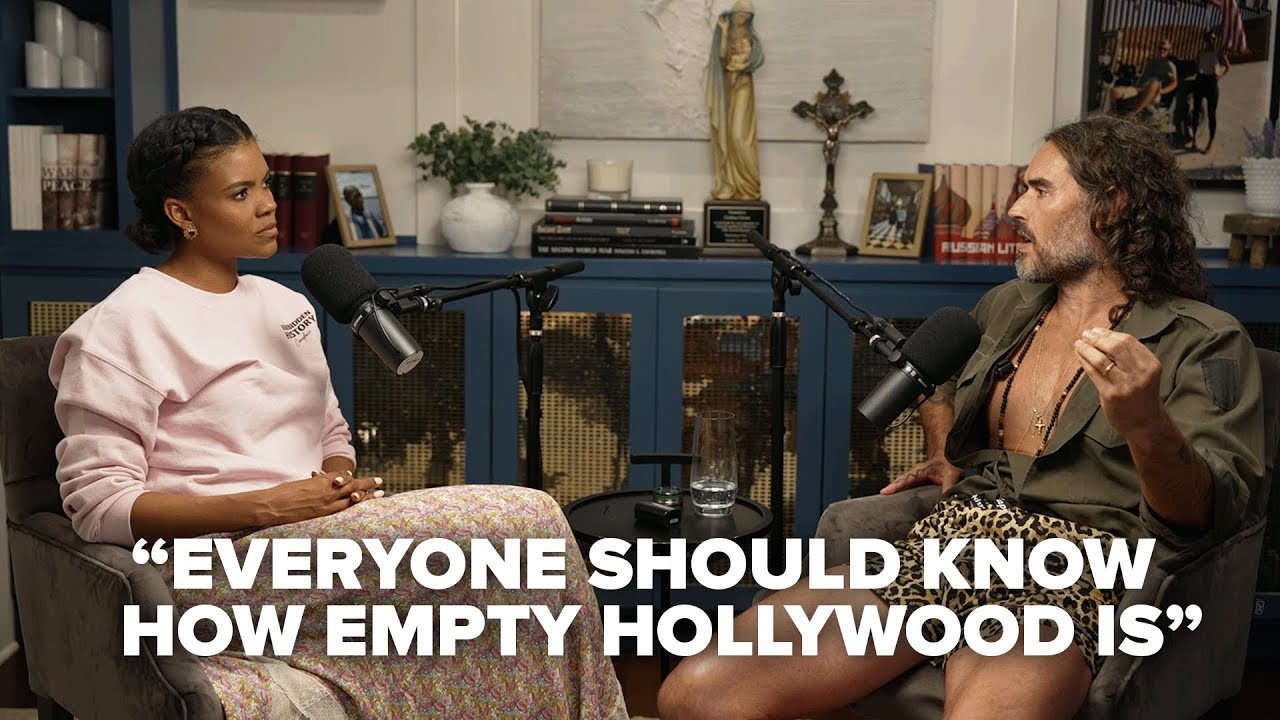
Hunter Biden reveals the personal reasoning behind his decision to speak publicly with Candace Owens and Shawn Ryan, despite their sharp political disagreements and past criticisms of his family. In conversation with Tucker Carlson, Biden discusses how total exposure from his stolen digital footprint forced him to own his truth, the intimate nature of long-form interviews, and his belief that finding common humanity, especially through shared experiences with addiction and recovery, matters more than political alignment. He reflects on how political divisions have intensified beyond anything seen before, even compared to the Obama era, and argues that people have been "torn apart on purpose" by those with "big microphones" and niche audiences.
Hunter Biden opened up about his journey into public interviews, beginning with his first sit-down with journalist and documentarian Andrew Callaghan. Biden explained that he initially knew nothing about Callaghan but was introduced to him through a lawyer they both worked with. After researching Callaghan's work, Biden was impressed by his ability to connect with a crucial demographic — what he specifically called "draft age" individuals between 18 and 35 years old.
What shocked audiences most about that first interview was Biden's complete willingness to be transparent about everything in his life, including the most difficult aspects. He noted that his stolen digital footprint — 22 years of deleted images, texts, and personal data — left him completely exposed in a way few public figures or their family members have ever experienced. Rather than hide from this total exposure, Biden realized "the only way out was through" — by owning what was true and speaking truth to what was false.
Connecting with Shawn Ryan
Following the Andrew Callaghan interview, Biden sat down with Shawn Ryan, someone he describes as "MAGA adjacent" who had made some harsh criticisms of his father between 2020 and 2024. Despite these past statements that Biden "vehemently disagreed with," he appreciated Ryan's willingness to listen without letting preconceived beliefs interfere with genuine conversation.
Their nearly six-hour conversation became what Biden describes as surprisingly intimate despite being public. They connected on a universal topic — addiction and recovery. Biden has been substance-free and sober for over seven years, something he believes many people didn't know because they conflated his past addiction with his father's presidency and assumed he was still using. He pointed out that the New York Post published approximately 1.5 articles about him daily for nearly four decades, none positive and all with pictures.
The Candace Owens Interview
After the Ryan interview, Shawn Ryan had dinner with Candace Owens, who lives in his Nashville neighborhood. Owens told Ryan's wife that one of the interviews she most wanted to do was with Hunter Biden. When Ryan relayed this, Biden had to think carefully about it. Owens had said "really awful things" not just about him but about his father, promoting the "Biden crime family" narrative with particularly pointed criticisms.
Biden decided to sit down with Owens not to convince her of anything, but to show her he was "just as human as she was" and to demonstrate his willingness to own his failings with complete transparency. He hoped they could find commonality and have an actual conversation — which is exactly what happened. Despite still disagreeing with Owens on many issues, Biden expressed genuine affection for her as a person, calling her "a really good person" who is "thoughtful," "generous," and has "deep faith."
Political Divisions Then and Now
In his conversation with Tucker Carlson, Biden reflected on how political discourse has changed. Carlson remembered when their politics weren't much different and noted that he grew up with Biden's high school girlfriend, making him familiar with Biden's background. Carlson observed a shift during the Obama years, describing how it seemed you couldn't say anything about Obama that wasn't positive without being called racist, particularly among well-educated, wealthy white women in their neighborhood.
Biden acknowledged he had a different perspective on the Obama years but didn't discount Carlson's experience. He noted that vitriol, meanness, and cruelty in politics have always existed, but "never like this." He believes people have been "literally torn apart on purpose" by those with "niche audiences with big microphones" and the toxic comment sections on platforms like X (formerly Twitter).
Defending Friendship Across Political Lines
Both Carlson and Biden expressed frustration with the pressure to disavow people based on political disagreements. Carlson mentioned texting both Erika Kirk and Candace Owens on the same morning and feeling defensive about having to justify liking two people who disagree with each other. He insisted on his right to like people regardless of whether he's "fully aligned with their program."
Biden strongly agreed, questioning why he constantly has to make caveats about disagreeing with someone on politics before expressing personal appreciation for them. He noted this wasn't always necessary — referencing the earlier part of their conversation about how things used to be different. He used to be able to appreciate people as individuals without constantly qualifying those relationships politically.
The Trump Factor
When asked what single thing changed American politics so dramatically, Biden pointed to Donald Trump. While acknowledging that many say Trump is merely "a symptom of the disease," Biden argued that Trump is actually "one of the most transformational individuals in our political history" — though entirely "for ill." He expressed disappointment that Trump had "such an opportunity to do great things" but instead "decided that all he was going to do was for himself."
Addiction, Recovery, and Universal Connection
Throughout his public interviews, Biden found that addiction and recovery provided a universal connection point with almost everyone. His substance-free sobriety of over seven years became a foundation for authentic conversation. He explained that while "addiction is never an excuse," it's "often an explanation" for the narrative people have been told about him. The complete exposure of his digital life, while "ugly in the moment," ultimately gave him nowhere to hide and forced him to confront truth directly.
Biden's willingness to own his failings and speak openly about his recovery has allowed him to connect with people across the political spectrum, from Andrew Callaghan's diverse audience to Shawn Ryan's MAGA-adjacent followers to Candace Owens herself. This human connection, he suggests, offers a path forward in a political environment that has become unprecedentedly divided and cruel.