Officer Tatum Debunks Conspiracy Theories About Charlie Kirk Autopsy Using Law Enforcement Experience and Medical Examiner Protocol
Enjoying this? Share it with someone who needs to see it.
Up Next
Brandon Tatum Confronts Wild Conspiracy Theories After Charlie Kirk Assassination and Defends Security Team
33:07
Brandon Tatum Debunks Charlie Kirk Conspiracy Theories and Exposes DEI University Hiring Practices
1:02:29
Brandon Tatum Breaks Down the FBI's Sniper Evidence and Debunks Charlie Kirk Conspiracy Theories
15:12
Officer Tatum Debunks Conspiracy Theories About Charlie Kirk Autopsy Using Law Enforcement Experience and Medical Examiner Protocol
Officer Tatum addresses conspiracy theories claiming Charlie Kirk never received an autopsy after his death. Drawing on his law enforcement experience, Tatum breaks down dispatch audio that sparked the rumors and explains standard homicide investigation protocols. He clarifies why the body wouldn't go immediately to autopsy before family identification, how medical examiner procedures work in murder cases, and why an autopsy is legally required for prosecution. Tatum also references new details from TPUSA spokesperson Andrew Kolvet about the bullet found beneath Charlie's skin, information that could only come from an autopsy. Using his firsthand knowledge of approximately 70 similar cases, Tatum explains why skipping an autopsy in a homicide would be unprecedented and would undermine the entire criminal investigation.
Officer Tatum opens by addressing a wave of conspiracy theories circulating about Charlie Kirk's death, specifically claims that no autopsy was performed. As a former law enforcement officer with experience in approximately 70 similar cases, Tatum felt compelled to clarify the misinformation spreading through social media. He emphasizes that while questioning is acceptable, people need to apply common sense and logic when discussing such incidents.
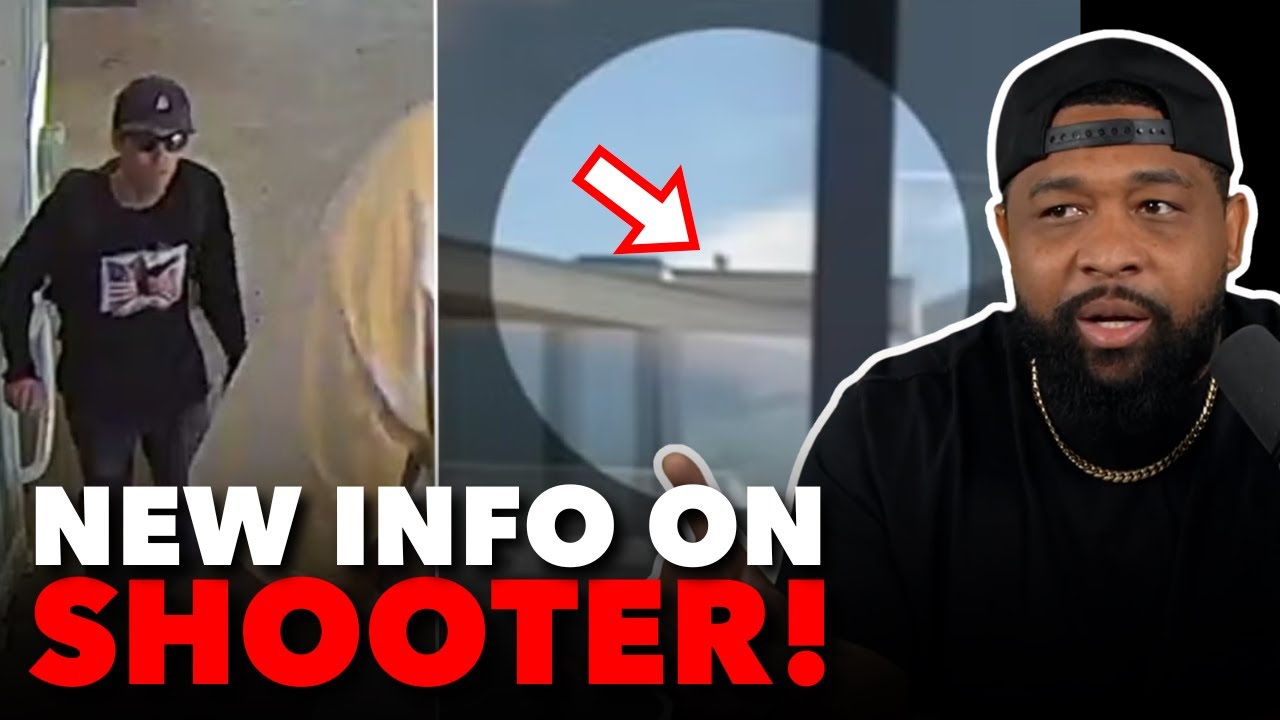
Before diving into the autopsy question, Tatum addresses another conspiracy theory claiming the shooter was never at the scene. He points out the illogical nature of this claim given the evidence: video footage of the shooter entering the stairwell, footage of him at a Dunkin Donuts 15 minutes from the scene when he lived 2-3 hours away, video of him jumping off a building with a gun, ring camera footage of him running behind houses, and the discovery of a gun belonging to his grandfather in the area.
The Dispatch Audio Analysis
Tatum then addresses the dispatch communication that sparked the autopsy conspiracy theory. He begins by explaining why he believes the audio is authentic rather than AI-generated. The key indicator is the overlapping communication between dispatch and officers, which mirrors exactly what happens in real law enforcement environments during high-stress situations.
In the audio, an officer states that Charlie "did not go in for an autopsy" and that "the death certificate was signed by the doctor at the hospital." The dispatcher responds by asking the officer to document this information. Tatum explains this is standard procedure to ensure there's no confusion about what the officer witnessed during their specific involvement.
Why Autopsies Are Mandatory in Homicide Cases
Drawing on his extensive law enforcement experience, Tatum explains why autopsies are mandatory in homicide cases. He states unequivocally: "There is no scenario on planet earth" where a murdered person doesn't receive an autopsy. If people could prevent autopsies in murder cases, it would allow perpetrators to cover up crimes by ensuring cause of death couldn't be determined.
Tatum outlines the specific reasons autopsies are required:
To determine exact cause of death (gunshot wound severing spine, bleeding out, etc.)
To rule out medical malpractice
To gather forensic evidence for court proceedings
To document bullet trajectory and tissue damage
To conduct toxicology testing
To match bullets to weapons for prosecution
He emphasizes that without an autopsy, prosecutors would have no physical evidence to present in court. The defense could claim the defendant didn't shoot the victim, and without forensic evidence matching the bullet to the gun, the case would fall apart.
Understanding the Dispatch Communication
Tatum clarifies what the officer actually meant in the dispatch audio. The officer was documenting that Charlie had not gone for an autopsy during that officer's specific shift or presence at the hospital. This is standard protocol to document what each officer witnessed and did during their involvement in the case.
The timing is crucial. Erika Kirk, Charlie's wife, had not yet arrived at the hospital to identify her husband. Standard procedure dictates that the next of kin must identify the body and sign off before an autopsy can proceed. They wouldn't rush Charlie to autopsy before Erika could see him and provide formal identification.
The Medical Examiner's Involvement
Tatum references video evidence showing Charlie Kirk's body leaving the hospital with a full police escort. The footage shows a black discrete minivan (a funeral home removal van) with the medical examiner's car following directly behind. This detail is crucial because in homicide cases, bodies don't go straight to funeral homes—they go first to the medical examiner for full autopsy.
He explains what happens during an autopsy and why family members would never be present during the procedure. Autopsies involve invasive procedures including removing the scalp, extracting the brain, and opening the entire chest cavity to examine organs. This is not something a spouse should ever witness, and facilities would never allow family members to be present during such procedures.
Erika Kirk's Hospital Visit
Tatum references Erika Kirk's own words about arriving at the Utah hospital on the afternoon of September 10th to identify her husband's body. She described seeing the wound that ended his life and noticing details like a single gray hair on the side of his head and the faintest smile on his lips. The doctor told her Charlie's death was instantaneous—even if he had been shot in an operating room, nothing could have been done.
This identification would have taken place before the autopsy. After Erika left, the autopsy would have been conducted either at that location or at a separate facility.
Evidence That Proves an Autopsy Occurred
Tatum highlights a critical piece of evidence that confirms an autopsy took place. Andrew Kolvet, executive producer of the Charlie Kirk show and TPUSA spokesperson, posted details from his conversation with the surgeon who worked on Charlie. The surgeon revealed there was no exit wound, which was remarkable because the bullet "absolutely should have gone through." They found the bullet lodged just beneath the skin.
Tatum emphasizes that this information could only come from an autopsy. Without an autopsy, investigators wouldn't know the bullet's location, trajectory, or any specific details about the wound. This forensic information is essential for matching the bullet to the weapon and building a prosecution case.
The Consequences of No Autopsy
Tatum explains what would happen if somehow no autopsy was conducted, which he considers virtually impossible. Without an autopsy, prosecutors couldn't prove:
How Charlie was shot
What angle he was shot from
What type of bullet was used
That the bullet matches the recovered weapon
The case would rely solely on circumstantial evidence, making prosecution extremely difficult. The defense could argue the gun didn't match, and without forensic evidence, charges might be dismissed entirely. Tatum states this would be "the first time in the history of the world that a person who was assassinated didn't even get an autopsy."
Final Assessment
Based on his training, experience, and knowledge of how these investigations work, Tatum places his confidence at 99.999% that Charlie Kirk received an autopsy. He acknowledges that if somehow an autopsy wasn't conducted, it would be unprecedented in American history and would cause him to lose faith in the investigation entirely.
However, all evidence points to standard procedure being followed: the medical examiner's presence at the hospital, the required forensic evidence being gathered and reported, and the ongoing criminal investigation that depends on autopsy results for prosecution.
Tatum concludes by encouraging people to verify information with actual police officers before spreading conspiracy theories. He urges the public to apply common sense and understand standard law enforcement and medical examiner protocols before jumping to conclusions about cover-ups or conspiracies.
Supporting Charlie Kirk's Family
Throughout the video, Tatum reminds viewers to only purchase Charlie Kirk merchandise from official Turning Point USA sources or verified sellers who donate proceeds to Charlie's family. He emphasizes that 100% of profits from his own merchandise are going directly to Erika Kirk, and she can decide where those funds should go. Tatum warns against purchasing unofficial merchandise that doesn't support the Kirk family.





Comments
Be the first to comment on this video.