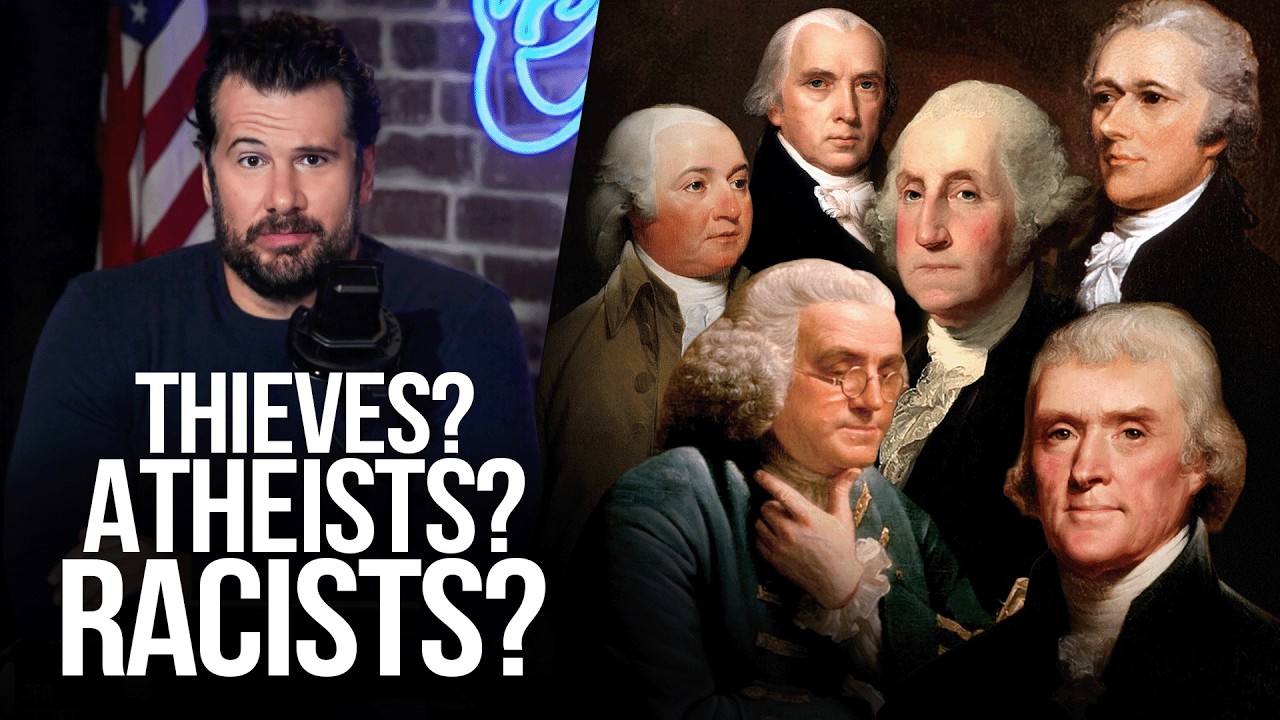
Robert George Explains Why Benjamin Franklin Called America a Republic Not a Democracy
Enjoying this? Share it with someone who needs to see it.
Up Next
Why America Is a Constitutional Republic with Democratic Representation, Not a Pure Democracy
11:59
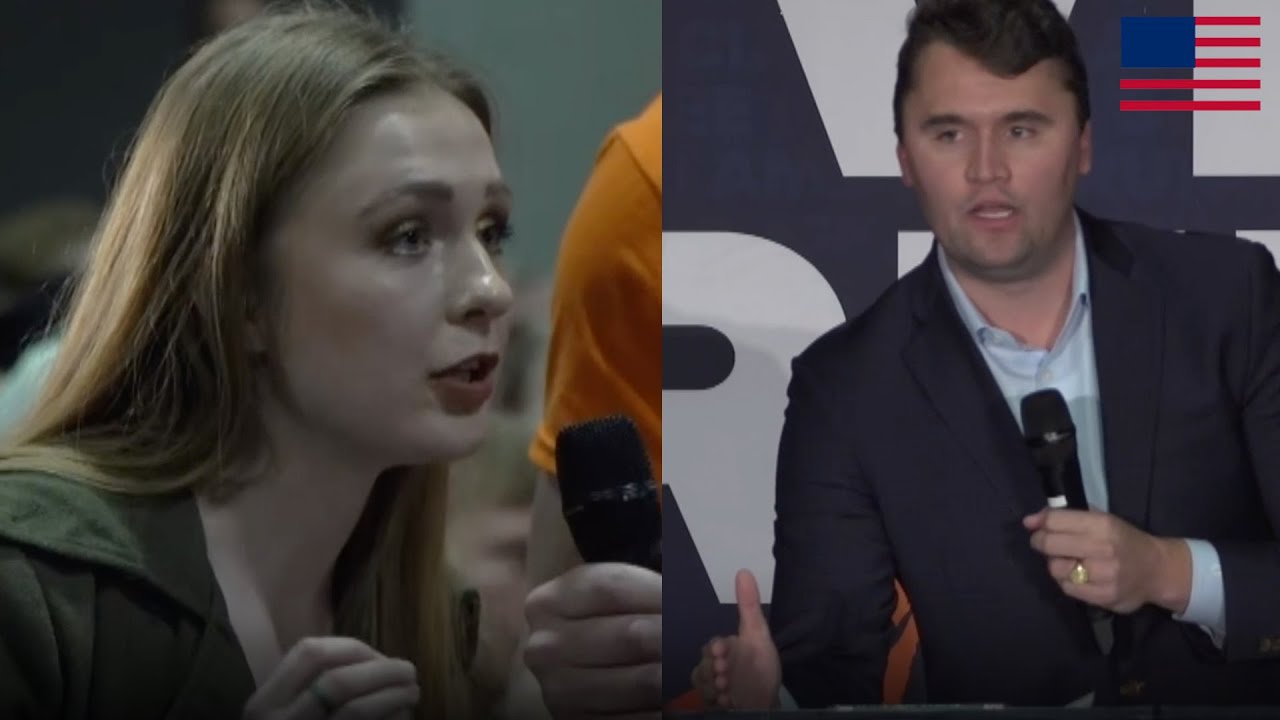
Charlie Kirk Defends Electoral College and Constitutional Republic Against Democracy Claims at College Campus Event
8:32
Charlie Kirk Explains Why America Is Not a Democracy and the Electoral College Protects Against Mob Rule
8:02
Robert George Explains Why Benjamin Franklin Called America a Republic Not a Democracy
Robert George, McCormick Professor of Jurisprudence at Princeton University, examines Benjamin Franklin's famous 1787 response at the Constitutional Convention when asked what kind of government had been created. Franklin answered "a republic, madam, if you can keep it" - not a democracy. George explores why the Founding Fathers deliberately rejected pure democracy in favor of republican government, fearing mob rule and the trampling of minority rights. He reveals how non-democratic features like the Senate and Electoral College were intentionally designed to protect liberty, prevent tyranny, and ensure smaller states maintain meaningful representation in American government.
At the close of the Constitutional Convention in Philadelphia in 1787, legend has it that a woman called out to Benjamin Franklin to ask what kind of government the delegates had created. Franklin responded, "A republic, madam, if you can keep it." This raises an important question: shouldn't Franklin have said a democracy? Isn't that what we have in the United States?
Most people today would say yes. After all, if our country isn't a democracy, what is it? It's not a dictatorship - the rule of one man - or an oligarchy ruled by a small group. In America, the people are in charge. That's literally what democracy means in the original Greek: demos (the people) and kratos (rule).
Why the Founders Rejected Pure Democracy
However, when we consider more deeply what the word means in practice and why the delegates in Philadelphia rejected it - that's right, rejected it - we discover something profound about American government. Our government was established by a national charter: the Constitution of the United States. We are governed by the institutions and according to the rules and principles created and adopted when our forebears ratified that document, making it the supreme law of the land.
Are those institutions properly speaking democratic? The men who bequeathed our form of government to us - those we call our Founding Fathers - didn't see it that way. They understood the institutions established by the Constitution to be republican.
Though the founders believed in government of the people, by the people, for the people, as Abraham Lincoln put it in the Gettysburg Address, they did not believe in pure or unrestricted democracy. They feared that democracy, strictly speaking, contained within it the impulse to mob rule, the stifling of civil liberty, and the trampling by majorities of the rights of minorities. To put it more bluntly, pure democracy frightened them.
Republican Safeguards Built Into the Constitution
While they built significant democratic elements into the Constitution, they also built in non-democratic features to protect liberty and prevent tyranny. It wasn't simply that they favored representative government over direct democracy, though they did. It's that they rejected the idea that "the majority wins" was by definition the just outcome.
Indeed, in what is perhaps the most famous of the 85 Federalist Papers - Federalist 10 - James Madison, in distinguishing a democracy (which he did not favor) from a republic (which he did), noted that a crucial advantage of republicanism is to "refine the public views by passing them through the medium of a chosen body of citizens, whose wisdom may best discern the true interests of the country."
The Senate: Equal Power for Every State
So we have representative government, and more than that, we have a bicameral - that is, two-tiered - legislature: a Congress with a highly democratic House of Representatives and a not very democratic Senate. Therefore, California with its massive population has 52 representatives in the House, while Wyoming has one. Yet Wyoming has two senators, the same number as California and every other state.
A pure democrat would say that's unfair - each Wyoming resident has far more power than every Californian. But a republican would say: we aren't and shouldn't be a pure democracy. If we were, large population states like California would overwhelm the needs and interests of small population states like Wyoming.
That's why we're called the United States of America. Each state has its own separate identity and holds its own separate elections. Just as we don't want one person or small group of people to dominate our government, we don't want one state or a few states to dominate our government. A republic is a way of diffusing power, and a brilliant one at that.
The Electoral College Protects Broader Representation
We see something similar in the Constitution's procedures for choosing a president. An obvious possibility would have been by a national popular vote. The founders wisely decided against this option. Rather, they created an Electoral College to protect the interests of the less populous states.
Even today, their decision makes sense. As Princeton colleague Professor Allen Guelzo observes, a direct national popular vote would incentivize campaigns to focus almost exclusively on densely populated urban areas. The Electoral College system incentivizes candidates to court voters more broadly, making presidential elections more fully national.
Understanding Why We Must Keep the Republic
If we understand the system of government our founders bequeathed to us, we will see why they preferred to describe it as a republic rather than a democracy. Of course it has strong democratic elements, but America was not created to be a pure democracy for very good reasons. Those reasons remain as valid today as they were in 1789.
We should not go along with those who today are demanding constitutional changes simply because this or that institution or procedure established by the Constitution - say, the Senate or the Electoral College - is not democratic. More democratic doesn't necessarily mean better. It doesn't necessarily mean more just.
Our founders understood this. So should we. We have a republic, and we should keep it.
Video Transcript
at the close of the constitutional convention in
philadelphia in 1787 legend has it that a woman
called out to benjamin franklin to ask what kind
of government the delegates had created franklin
responded a republic madam if you can keep it a
republic shouldn't franklin have said a democracy
isn't that what we have in the united
states most people today would say yes
after all if our country isn't a democracy what
is it it's not a dictatorship the rule of one man
or an oligarchy ruled by a small group in
america the people are in charge that's
literally what democracy means in the original
greek deimos gratos the people demos rule kratos
but let's pause for a moment and consider more
deeply what the word means in practice and why the
delegates in philadelphia rejected it that's right
rejected it our government was established by a
national charter the constitution of the united
states we are governed by the institutions and
according to the rules and principles created and
adopted when our forebears ratified that document
making it the supreme law of the land are those
institutions properly speaking democratic the men
who bequeathed our form of government to us those
we call our founding fathers didn't see it that
way they understood the institutions established
by the constitution to be republican in fact
though the founders believed in government of the
people by the people for the people as abraham
lincoln put it in the gettysburg address they did
not believe in pure or unrestricted democracy they
feared that democracy strictly speaking contained
within it the impulse to mob rule the stifling
of civil liberty the trampling by majorities of
the rights of minorities to put it more bluntly
pure democracy frightened them so while they built
into the constitution's significant democratic
elements they also built in non-democratic
features to protect liberty and prevent tyranny
it wasn't simply that they favored representative
government over direct democracy though they did
it's that they rejected the idea that
the majority wins was by definition
the just outcome indeed in what is perhaps
the most famous of the 85 federalist papers
federalist 10 james madison precisely
indistinguishing a democracy which he did
not favor from a republic which he did noted
that a crucial advantage of republicanism
is to refine the public views by passing them
through the medium of a chosen body of citizens
whose wisdom may best discern the true interests
of the country and so we have representative
government and more than that we have a bicameral
that is two-tiered legislature a congress with a
highly democratic house of representatives
and a not very democratic senate therefore
california with its massive population has 52
representatives in the house wyoming has one
yet wyoming has two senators the same number as
california and every other state a pure democrat
would say that's unfair each wyoming resident
has far more power than every californian
but a republican would say well we aren't
and shouldn't be a pure democracy if we were
large population states like california
would overwhelm the needs and interests
of small population states like wyoming that's
why we're called the united states of america
each state has its own separate identity holds
its own separate elections just as we don't want
one person or small group of people to dominate
our government we don't want one state or a few
states to dominate our government a republic is a
way of defusing power and a brilliant one at that
we see something similar in the constitution's
procedures for choosing a president an obvious
possibility would have been by a national popular
vote the founders wisely decided against this
option rather they created an electoral college to
protect the interests of the less populous states
even today their decision makes sense as my
princeton colleague professor alan gelzo observes
a direct national popular vote would incentivize
campaigns to focus almost exclusively on densely
populated urban areas the electoral college
system incentivizes candidates to court voters
more broadly making presidential elections more
fully national so if we understand the system of
government our founders bequeath to us we will see
why they preferred to describe it as a republic
rather than a democracy of course it has strong
democratic elements but america was not created
to be a pure democracy for very good reasons those
reasons remain as valid today as they were in 1789
we should not go along with those who
today are demanding constitutional changes
simply because this or that institution or
procedure established by the constitution say the
senate or the electoral college is not democratic
more democratic doesn't necessarily mean better
it doesn't necessarily mean more just our founders
understood this so should we we have a republic
and we should keep it i'm robert george
mccormick professor of jurisprudence
and director of the james madison program at
princeton university for prager university this
video was made possible by a generous donation
from the william s knight foundation thank you for
watching this video to keep prageru videos free
please consider making a tax deductible donation