Tucker Carlson 2028 Presidential Run Has Republican Jewish Coalition and Israel Lobby Deeply Worried About Anti-Zionism Gaining Ground
Enjoying this? Share it with someone who needs to see it.
Up Next
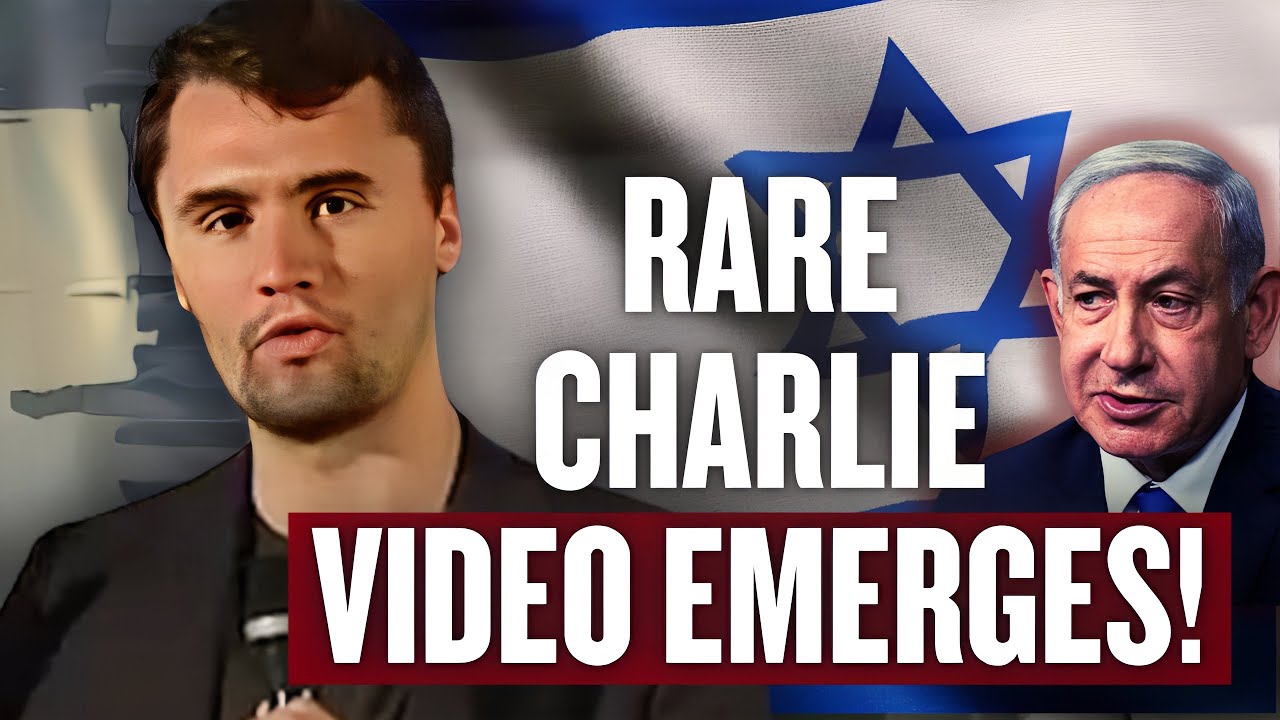
Charlie Kirk Shifts Position on Israel After Grassroots Conservative Youth Movement Challenges TPUSA's America First Credentials
11:45
I Watched Every Minute of Turning Point USA's AmericaFest So You Don't Have To
52:32
Max Blumenthal Explores Charlie Kirk's Final Days and His Break with the Zionist Lobby
18:06
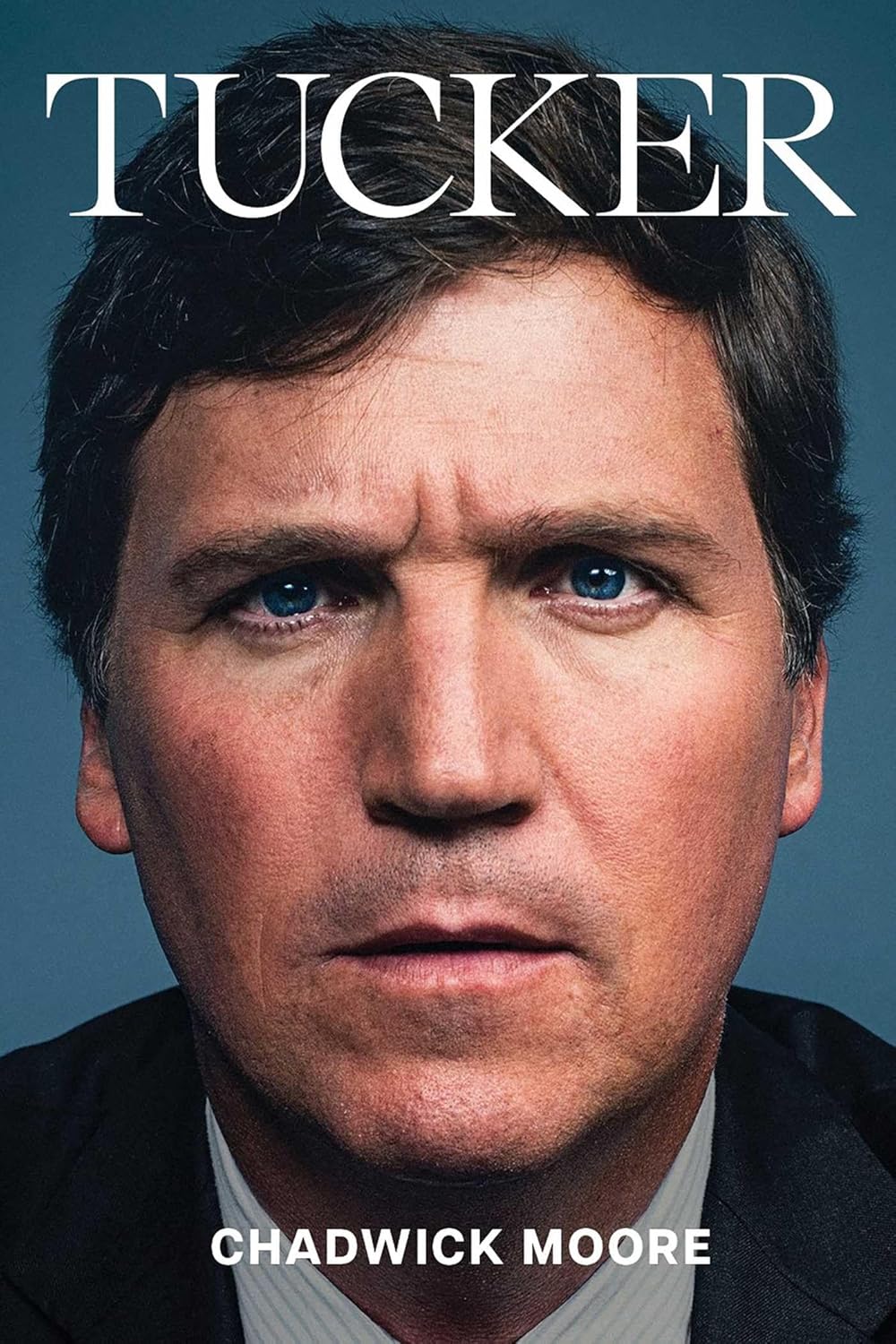
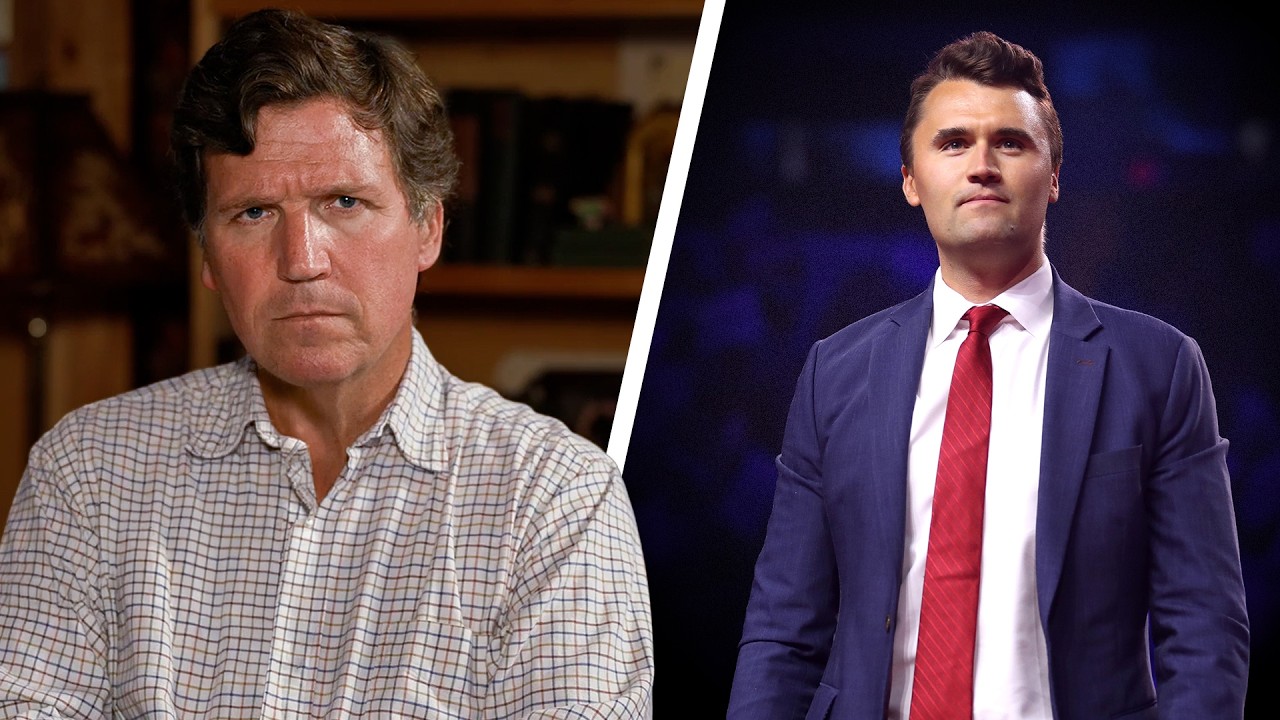
Tucker Carlson 2028 Presidential Run Has Republican Jewish Coalition and Israel Lobby Deeply Worried About Anti-Zionism Gaining Ground
The Republican Jewish Coalition held its recent gala with a starkly different tone than six months prior, revealing deep anxieties about Tucker Carlson's potential 2028 presidential run and the growing criticism of Israel within conservative ranks. While RJC CEO Matt Brooks celebrated victories against Thomas Massie and Marjorie Taylor Greene's resignation, he also acknowledged that figures like Carlson, Candace Owens, and Nick Fuentes represent a threat to unwavering pro-Israel sentiment in the Republican Party. Despite some claims that Carlson's influence has waned, his popularity among conservative voters remains strong, and Candace Owens has voiced support for a potential presidential bid. The tension reveals a critical question facing American voters: should loyalty to Israel take precedence over American sovereignty and interests? As the Israel lobby spends millions to shape Republican primaries and purge critics, a counter-movement questions whether opposition to Israeli policy
The Republican Jewish Coalition's Shifting Tone on Israel Critics
The Republican Jewish Coalition held a gala that revealed significant anxiety about the future of pro-Israel sentiment within the conservative movement. Six months earlier at their November gala, Senator Ted Cruz expressed alarm, claiming he had "seen more anti-Semitism on the right than I had in my entire life." Without naming names directly, Cruz took shots at Candace Owens, Nick Fuentes, and Tucker Carlson, with whom he had just had a contentious interview where he struggled to explain his unwavering support for a foreign country.
When the same group reconvened on Sunday, they struck a different tone. Possibly emboldened by a series of primary election victories, including the ousting of Thomas Massie, the resignation of Marjorie Taylor Greene who had been a vocal Israel critic, and Joe Kent leaving the White House, the RJC appeared more confident. Matt Brooks, CEO of the Republican Jewish Coalition, stated: "We have been strong and vocal in confronting the poisonous anti-Semitism and anti-Israel rhetoric coming from people like Tucker Carlson, Candace Owens, and Nick Fuentes."
Conflating Anti-Zionism With Anti-Semitism
Brooks continued: "Whether it comes from the far left or the far right, whether it's wrapped in America first language or dressed up as social commentary, anti-Semitism is anti-Semitism." However, this statement conflates criticism of Israel with hatred of Jewish people. Anti-Semitism occurs when you hate a group of Jewish people because they're Jewish, when you discriminate against them, when you're okay with people harming them based on their ethnicity, race, or immutable characteristics.
Zionism, by contrast, is a political belief. No one is born a Zionist. People adopt Zionist ideology, but they're not born with it. This distinction matters because it means criticism of Israeli policy or Zionist ideology does not automatically constitute hatred of Jewish people. Just because Israel insists on calling itself a Jewish state and building an ethno-state doesn't mean all Jews are implicated in that project or that all Jewish people buy into Zionist ideology.
The RJC Celebrates Its Political Victories
After attacking Candace Owens and Tucker Carlson, Brooks went on to applaud the Republican Party's handling of Israel's detractors: "Anti-Israel in today's Republican Party is not, unlike in the Democratic Party, a path to success." Brooks also bragged to applause about the RJC spending $5 million in the race against Thomas Massie, describing the experience as "a fight worth having and a victory worth celebrating."
This boasting contradicts claims by some pro-Israel activists who insist the Israel lobby plays no role in American elections. The direct admission of spending $5 million to defeat a sitting congressman reveals the significant influence wielded by pro-Israel organizations in shaping the Republican Party.
Concerns That Israel Critics Haven't Been Sufficiently Purged
Some on the right worry that Israel's critics haven't been sufficiently purged from the Republican Party, and they specifically cite Tucker Carlson. Carlson has been seen as one of Israel's most prominent critics on the right, and he has been very vocal about his concerns regarding American foreign policy toward Israel. He experienced an uptick in popularity because the American people appreciate truth tellers and can usually identify inauthenticity.
Oren Siegel, the ADL's vice president of extremism and intelligence, said in an interview with JTA that his organization's biggest worry regarding Carlson is not merely his relationship with conservative elected officials, but the normalization of his views. However, this perspective misses the point entirely. Tucker Carlson did not normalize these views—Israel's behavior normalized these views.
Israel's Actions Drive American Public Opinion
People are not sitting around waiting to hear what Tucker Carlson tells them to think. The American people have viewed endless videos of Israel's military campaigns in sovereign countries and in Palestinian territory. Israel's behavior has normalized the perspective that many Americans now share regarding Israeli policy. Pattern recognition is real, and the pattern many have recognized is that the Israeli government engages in actions that don't value human life unless it involves other Zionist Jews—not Jews generally, just Zionist Jews.
Zionists want to have it both ways. They want to engage in whatever military actions they choose, including what many view as endless suffering and slaughter carried out by the IDF, and on top of that, they expect everyone to sit around and talk about how great Israel is without any criticism. Most Americans don't play that game because they value free expression.
Has Tucker Carlson's Influence Really Waned?
Some argue that Tucker's influence within the right has begun to decline. Randy Fine, a Florida congressman, reminded the audience at the RJC event that in his speech in November, he called Carlson "the most dangerous anti-Semite in America." Fine now claims that title belongs to Amin Mamdani, New York City's anti-Zionist mayor. Fine stated: "I think that brand has been destroyed in the last six months," attributing the change to politicians like himself calling Carlson out, as well as damage Carlson has supposedly done to himself.
However, Fine's assessment could be way off. Despite expressing no serious interest initially, Tucker Carlson has floated the possibility of running for president in 2028. During an interview with Russian television, Candace Owens said she would support him if he threw his name in the hat: "I would love for him to run. I would gratefully get behind someone like Tucker Carlson."
The 2028 Presidential Question and American Sovereignty
If Tucker decided to run, he would have to contend with serious opposition from the RJC. As CEO Matt Brooks stated: "There's only one party where American Jews can be proudly pro-Israel, and that is the Republican Party. And those who imperil that will have to come through the RJC first."
This raises a fundamental question for American voters: Do you want to live in a sovereign country or not? Do you want elected representatives, lawmakers, and presidents who consistently side with Israel and its interests at the detriment of the American people? For many Americans, this has become a defining issue—one that might justify being a single-issue voter for the first time.
Both Parties Remain Largely Pro-Israel
Currently, there isn't a single party where you can safely be anti-Israel. The Democrats aren't as committed to Israel as the Republicans are, at least rhetorically, but through their actions, they remain largely aligned with Israeli interests. You can name only a handful of Democrats who would push back against Israel's demands: Ro Khanna, Rashida Tlaib, and Ilhan Omar are among the few. The pickings are slim on both sides of the aisle.
The Counterproductive Nature of Pro-Israel Advocacy
The irony is that pro-Israel organizations don't seem to realize how their actions run counter to their stated goals. They want Americans to love Israel, but all of their behavior—including pushing aggressively to censor Americans who are critical of Israel—makes Americans dislike Israel more. They're too committed to their current strategy to realize it's backfiring, and they keep doing it. For those who would prefer America to act as a truly sovereign country, ideally one with no special relationship with Israel whatsoever, this continued overreach may ultimately serve their purposes by waking more Americans up to the issue.
Video Transcript
:
are having a
tough time deciding whether or not Tucker
Carlson poses a threat. In fact, some of
them are concerned that the former Fox News host
is considering a presidential run in 2028. And
he does have a significant amount of popularity
among conservative voters. So if that does happen,
he wouldn't be a formidable opponent to
any pro-Israel candidate. Nonetheless,
I do want to talk a little bit about what's going
on behind the scenes because at the Republican
Jewish Coalition Gala last November, so this
is like about six months ago, seven months ago,
there was a palpable concern, a complete panic
over anti-Semitism erupting from within the right
wing in America. And Senator Ted Cruz at the time
said the following, in the last six months, I've
seen more anti-Semitism on the right than I had
in my entire life. That's hilarious and I don't
believe it. But nonetheless, without naming any
names directly, Cruz then took shots at Candace
Owens, Nick Fuentes, Tucker Carlson, with whom he
had just had a pretty contentious and embarrassing
debate with. That was the now notorious interview
with Tucker Carlson where Ted Cruz had a hard time
answering questions about his unwavering support
for a foreign country. Now Cruz rounded out his
complaints by saying this, and as for me, I choose
to stand with you, I choose to stand with Israel,
and I choose to stand with America. But when the
same group reconvened just this past weekend on
Sunday, they struck a different tone, which
I found fascinating. They might be emboldened
by a series of eight pack victories recently in
various elections, primary elections, of course,
that included the ousting of Thomas Massey.
You also had the resignation of Marjorie Taylor
Greene, who was a pretty vociferous Israel
critic toward the end of her congressional
career. And then you have Joe Kent leaving the
White House, resigning, which I don't think the
Israel lobby had much to do with, but I'm sure
they're very, very happy with that. Nonetheless,
uh here's the CEO of the Republican Jewish
Coalition. His name is Matt Brooks, and here's
what he had to say just this past weekend. We have
been strong and vocal in confronting the poisonous
anti-Semitism and anti-Israel rhetoric coming from
people like Tucker Carlson, Candace Owens, and
Nick Fuentes. Whether it comes from the far left
or the far right, whether it's wrapped in America
first language or dressed up as social commentary,
anti-Semitism is anti-Semitism. Anti-Semitism is
when you hate a group of Jewish people because
they're Jewish. When you discriminate against
them, when you are okay with people harming them,
whatever. It's when you are targeting a group of
people, based on their ethnicity, based on their
race, based on their immutable characteristics.
Zionism is a political belief. No one is born
a Zionist. People are brainwashed into being
Zionists, but they're not born to be Zionists.
Just keep that in mind. After throwing shade
at Candace Owens and Tucker Carlson, he also
went on to applaud the Republican Party on its
handling of Israel's detractors. Take a listen.
Anti-Israel in today's Republican Party is not,
unlike in the Democratic Party, a path to success.
ah It needs to be though. It needs to be. So the
American people have a decision to make here. And
I do think it makes sense to, for the first time,
be a single issue voter. Do you want to live in a
sovereign country or not? Do you want our elected
representatives, our lawmakers, our president?
consistently side with Israel and its interests at
the detriment of the American people. But it's a
simple question. I don't give a damn about Israel,
just like, do I care about other countries? Sure,
but not as much as I care about my own. And I do
hate Israel, how could you not? Especially as an
American, especially as someone who has carried
the brunt what Israel does in the Middle East,
whether you're Palestinian, whether you're an
Iranian, Lebanese, Syria, Syrian. mean, it's
just the list goes on, Iraq, the list goes on
and on and on and on. So yeah, a lot of people
hate Israel, that doesn't mean they hate Jewish
people. Just because you insist on calling it a
Jewish state, just because you insist on trying
to build an ethno state, doesn't mean that all
Jews are implicated in that. it doesn't mean that
all Jewish people buy into the Zionist slop that
clowns at this conference have bought into. Hating
Israel is not the same as being an anti-Semite. So
Brooks also bragged to raucous applause about the
RJC spending $5 million in the race against Thomas
Massey. But don't tell Shabbos Kestenbaum that,
right? Because Shabbos would have you believe that
the Israel lobby had no role, had no role at all,
at all, right? And then you hear Brooks bragging
about it. He described the experience into the
race as a right a worth having and a victory worth
celebrating. And a right worth having meaning
right wing politicians who get down on their knees
and pleasure Israel. That's the right that he's
talking about. uh But some on the right are not
as convinced and in fact, some are worried that
Israel's critics haven't been sufficiently purged
from the Republican Party and they specifically
cite Tucker Carlson. So Carlson has been seen as
one of Israel's most I think that's a fair label.
He has been very vocal for good reason. I agree
with a lot of what he has to say about Israel
these days. And he did experience an uptick in
popularity because guess what? The American people
like truth tellers and they can usually suss out
inauthenticity. In the case of Donald Carlson,
he's pretty authentic when he's talking about
Israel. Others argue that, so I'll give you an
example of some of the people speaking out. Or in
Siegel, the ADL's vice president of extremism and
intelligence. Let's all pause for laughter.
There's nothing more extreme in the country
right now than Zionists. He said in an interview
with JTA that his organization's biggest worry
regarding Carlson is not merely his relationship
with any conservative or elected officials,
but also the normalization of his views. The other
night I was scrolling through shop TYT when I saw
our awesome No Money for Wars hat and thought I
need that. I click add to cart ready to dig out
my wallet. That's on the other side of the room.
But right there in checkout glowing like a beacon
is that glorious purple shop a button one tap and
boom order place. That's the magic of Shopify the
platform behind millions of businesses and 10
% of US e-commerce including our own shop TYT.
That purple shop pay button is the best converting
checkout on the. planet. It means fewer abandoned
carts and more actual sales. If you run a
business, Shopify makes it super simple to
build a beautiful site with hundreds of templates
and a blast email and social campaigns wherever
your customers are scrolling. It's like having a
full marketing team behind you. So do what we did,
use Shopify. See fewer carts go abandoned and
more sales go with Shopify and their shop pay
button. Sign up for your $1 per month trial today
at Shopify.com slash tyt. Go to Shopify.com slash
tyt. That's Shopify.com slash tyt. Okay, let me
be clear. Tucker Carlson did not normalize these
views. Israel's behavior normalized these views.
You think people are sitting around waiting to
hear what Tucker Carlson tells them to think? Or
could it be that the American people have viewed
endless videos of Israel's slaughter campaigns in
sovereign countries or in Palestinian territory.
Israel's behavior has normalized the perspective
that people like me share on the show almost on a
daily basis at this point in regard to Israel.
Just stop slaughtering kids, stop killing
innocent, stop trying to steal land. It's not that
hard, but they can't help themselves. So if you're
going to do that, then you're going to have to
deal with the criticism. But here's the thing,
Zionists want their cake and eat it too. They
want to do whatever they want. Endless suffering
carried out by the IDF, endless slaughter carried
out by the IDF. And that's not good enough. On top
of that, we all have to sit around and talk about
how great Israel is and never criticize them,
no. No, I don't play that game. And most
Americans don't, we like to express ourselves. So
um pattern recognition is real. And the pattern
I've recognized is that the Israeli government is
full of war criminals, bloodthirsty, greedy, and
doesn't value human life. Unless we're talking
about other Zionist Jews, not Jews, just Zionist
Jews. So, others argue that Tucker's influence
within the right has begun to wane. look, Randy
Fine, who's a disgraceful, disgusting hog of
a congressman said, reminded the audience at the
RJC event held in Manhattan on Sunday that in his
speech to the RJC in November, he called Carlson
the most dangerous anti-Semite in America. Now he
said, I don't know that that's true anymore. Now
Fine has a different person in his crosshairs.
He now believes the country's most dangerous
anti-Semites are on Mamdani, New York City's
anti-Zionist mayor. In contrast, he said Carlson's
impact had only plummeted in the past half year.
Quote, think that brand has been destroyed in
the last six months, he wrote, attributing the
change to politicians like himself calling Carlson
out, as well as the damage he has done to himself.
whatever you need to tell yourself to feel better.
But Fiennes' assessment could be way off. In fact,
I think it is way off because despite
expressing no interest, Tucker Carlson has
floated the possibility of running for president
in 2028. look, during an interview with Russian
television just last week, Candace Owens uh said
that she would support him if he threw his name
in the hat. He says, I would love for him to run,
would- gratefully get behind someone like Tucker
Carlson. he showed, look, polymarket is not a
good indicator of what's actually going on. So
I'm not even gonna go to that. I thought about it.
There was a polymarket uh story about how a bunch
of people in this betting market are betting that
he will secure a victory in the 2028 presidential
campaign, or primary, I should say. Still if
Tucker decided to run, he has to contend with
serious turtles, as the RJC CEO Matt Brooks said.
There's only one party where American Jews can be
proudly pro-Israel, and that is the Republican
Party. And those who imperil that will have to
come through the RJC first. Well, I hope we all
get to experience and witness that fight. I don't
know if we will. I don't know if Tucker Carlson is
going to run in 2028. I'm sorry, we don't have a
single party where you can safely be anti-Israel.
The Democrats aren't as cucked as the Republicans
are, at least rhetorically speaking, but they're
pretty cucked through their actions, aren't they?
I mean, you can name a handful of Democrats
who would go against Israel and everything
Israel desires. I don't even know if I can name a
handful, I know Ro Khanna is one of them. I know
that Rashida Tlaib is another one, Ilhan Omar
is another one. I'm supposed to pretend that
AOC would push back against Israel aggressively. I
don't believe it, but okay, slim pickings, right?
So. I just, I don't think these people
realize how delusional they are. I don't
think they realize that everything they do
runs counter to what their agenda is. They
want Americans to love Israel, but all
of their actions, all of their behavior,
including pushing pretty aggressively to
censor Americans who are critical of Israel,
makes Americans hate Israel more. But they're
too dumb to realize it and they keep doing it.
And honestly, for my purposes, I think that's
great, keep doing it. because I'd love to live
in a sovereign country. Ideally one that has
no relationship with Israel whatsoever. uh