Benny Johnson Exposes Evidence Destruction in Charlie Kirk Murder Case Investigation
Enjoying this? Share it with someone who needs to see it.
Up Next
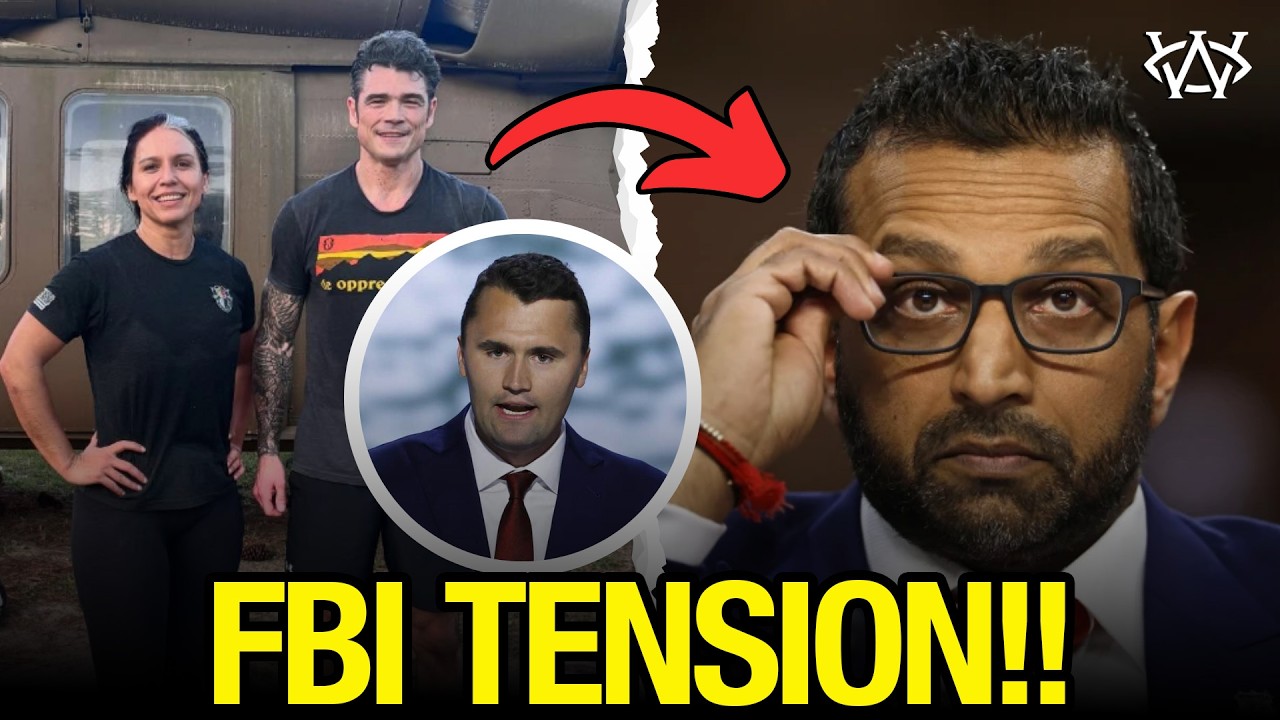
Kash Patel and Tulsi Gabbard Clash Over Charlie Kirk Assassination Investigation FBI Probe Dispute
18:11
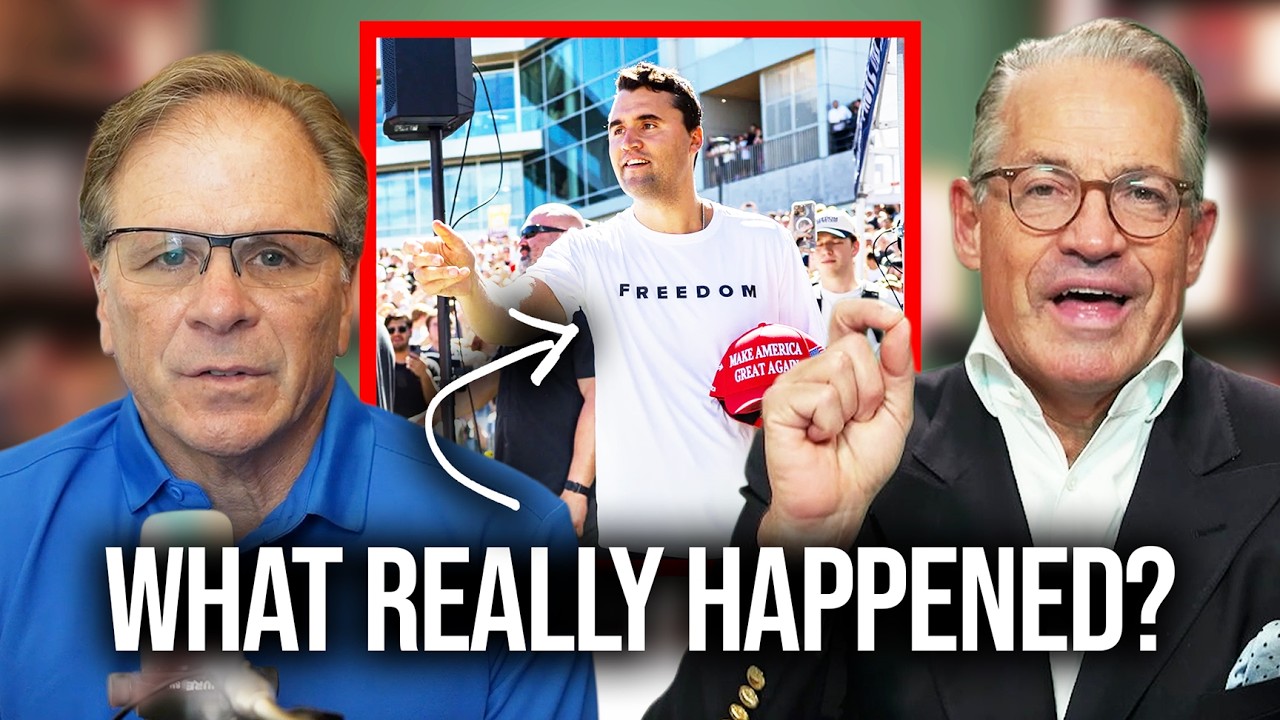
Frank Turek Was There When Charlie Kirk Was Murdered: Death Threats, Candace Owens, and the Truth About That Horrible Day
50:36
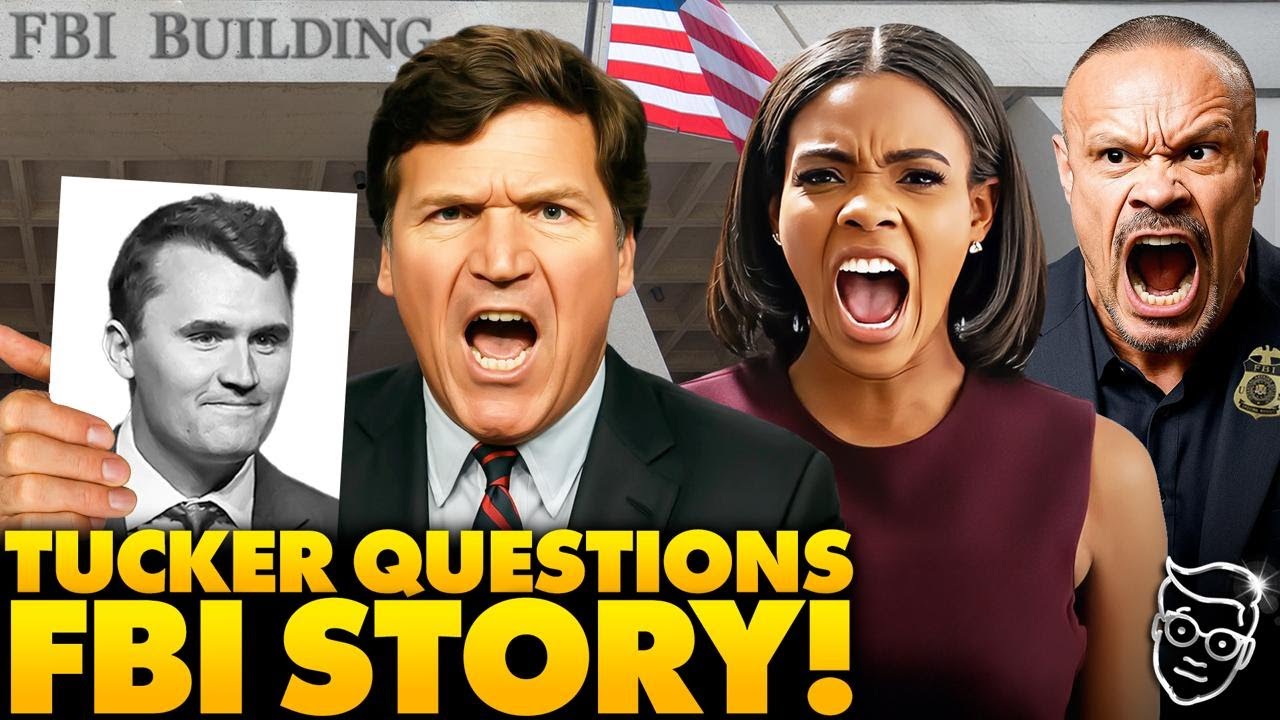
Tucker Carlson Breaks Silence on Charlie Kirk Investigation: Demands FBI Transparency and Answers
15:48
Benny Johnson Exposes Evidence Destruction in Charlie Kirk Murder Case Investigation
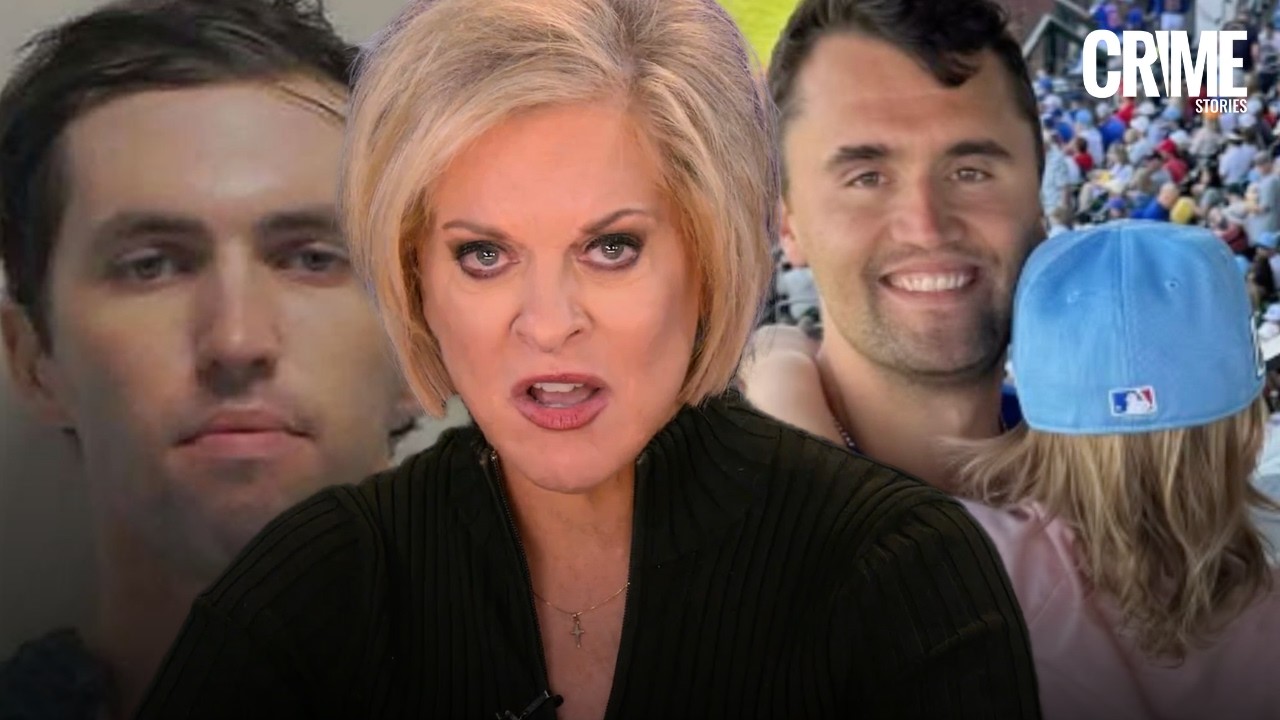
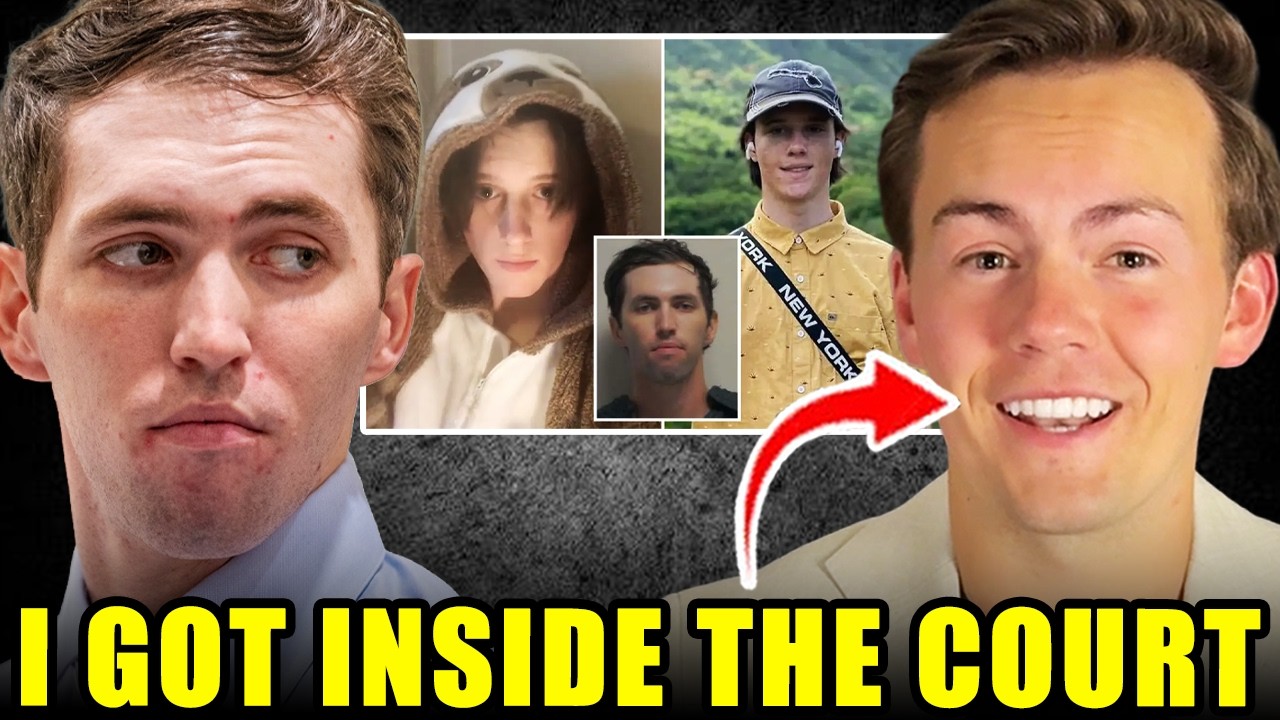
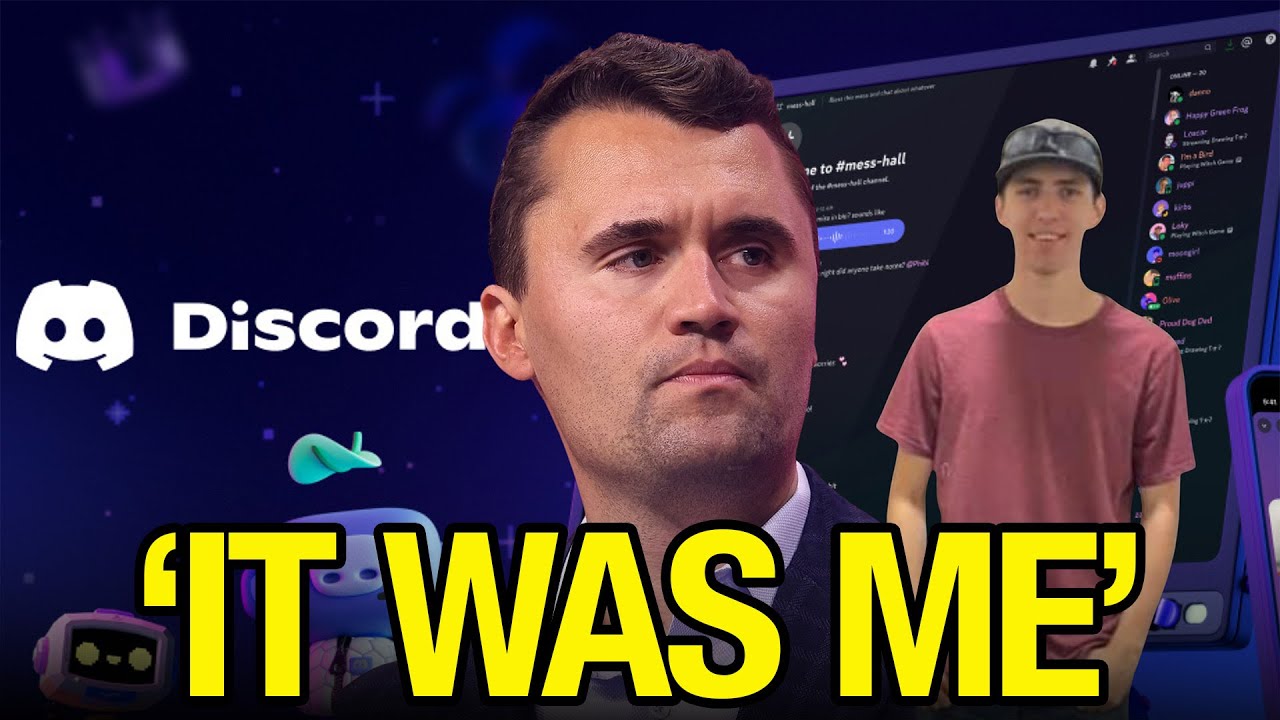
Benny Johnson reveals disturbing developments in the Tyler Robinson case, where surveillance footage of the accused assassin turning himself in has mysteriously disappeared from Washington County Sheriff's Office records. Local CBS News 2 discovered that critical video evidence no longer exists after the standard 30-day retention period, despite this being one of the century's most significant murder cases. Defense attorneys are now pushing for expanded gag orders that would silence all politicians, law enforcement officials, and potentially thousands of witnesses who saw Kirk's death. Johnson argues that only complete transparency and live-streamed proceedings can provide closure and prevent conspiracy theories from taking root. With the judge already banning cameras from filming Robinson's face and closing certain hearings, Johnson warns that conducting this trial in secret will destroy public trust and unleash widespread outrage.
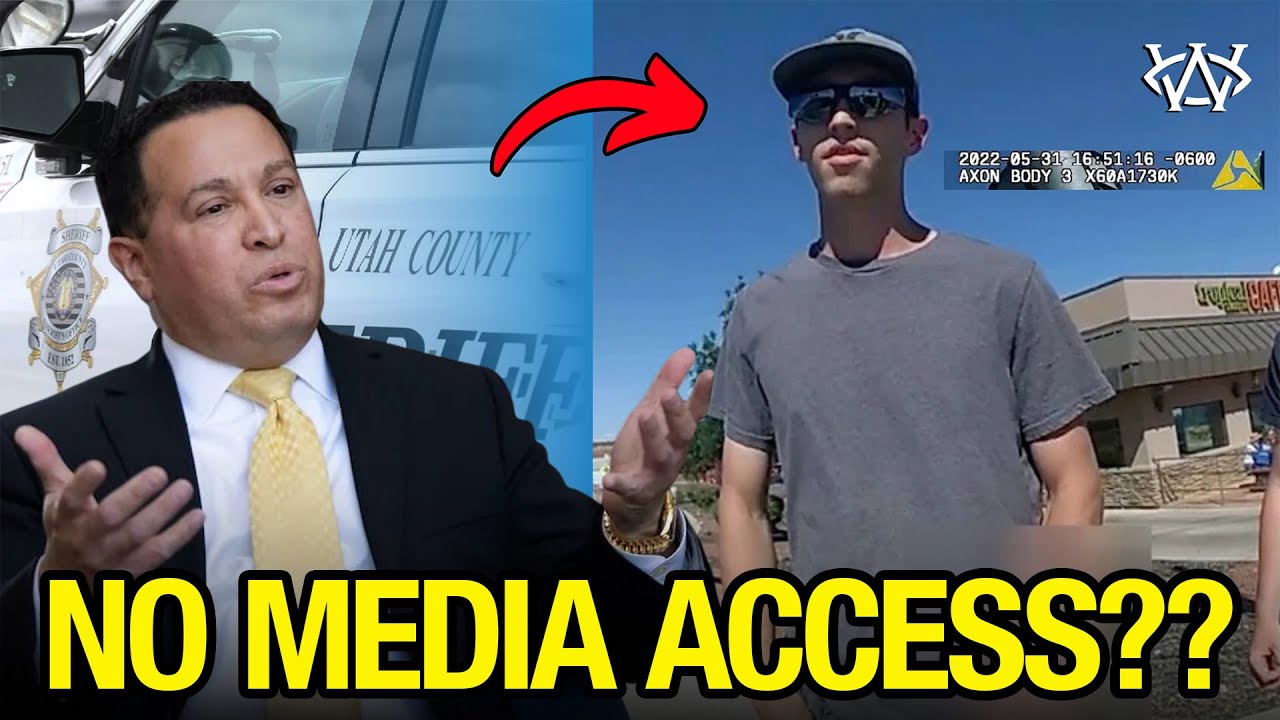
Local CBS News 2 investigative reporting uncovered that surveillance video of Tyler Robinson turning himself into the Washington County Sheriff's Office has completely disappeared. When the news organization submitted requests for footage of Robinson entering the facility, they received responses stating "We do not have any records responsive to your request" and "Surveillance footage is no longer available after a 30-day retention period."
This missing evidence represents a critical gap in the case record. Police stations typically have comprehensive surveillance coverage of every area, making the absence of any footage from Robinson's surrender highly unusual. The defense, prosecution, and public would all benefit from seeing how Robinson behaved when turning himself in, whether he came voluntarily, if he was accompanied by his father, and how police treated him during those crucial moments.
Defense Seeks Expanded Gag Orders
Robinson's attorneys are preparing to file a motion to extend the existing gag order to include all politicians and police officers. This would prevent federal officials like Kash Patel, state officials like Utah Senator Mike Lee, and local law enforcement from making any public statements about the case.
The defense argues that public statements by political leaders and law enforcement officials have compromised Robinson's right to a fair trial. They want restrictions placed on comments from state, federal, and local officials, regardless of whether those officials have any direct connection to the investigation.
The proposed gag order could potentially silence thousands of witnesses who were present when Kirk was shot. Defense attorneys dispute the prosecution's claim that over 3,000 individuals witnessed the event, calling it a "gross exaggeration," but acknowledge that the witness pool is substantial.
Media Access Under Threat
The judge has already granted several favorable rulings to the defense team. Tyler Robinson will not have to appear in prison attire during court proceedings, can appear unshackled and in civilian clothing, and cameras are banned from filming his face or any images of him in the courthouse.
Now the court is considering whether to ban all media cameras from the courtroom entirely. News outlets including Fox have filed interventions seeking to be notified of any plans to close or seal hearings or documents so they can argue against such restrictions.
The judge has also granted motions to classify certain responses as private, meaning the public cannot access the state's replies to Robinson's motions through the court's docket. Some hearings have been closed to the public on the grounds that they cover security protocols specific to Robinson's courthouse appearances.
The Case for Total Transparency
The argument for complete openness in this case rests on the unprecedented nature of the crime. Kirk was assassinated on a live stream, witnessed by thousands of people in real time. The public saw the murder happen with their own eyes.
Given this reality, conducting the trial behind closed doors creates the perfect environment for conspiracy theories to flourish. Without access to the evidence, testimony from the accused, testimony from any accomplices, and a clear timeline backed by physical and digital evidence, the public will never achieve closure or consensus about what actually happened.
The federal government should present all evidence publicly, including video, text messages, digital records, and physical evidence. Every second of the trial should be live-streamed so Americans can see with absolute clarity the case against Tyler Robinson and his alleged accomplice, reportedly his live-in transgender furry boyfriend.
Erika Kirk Demands Transparency
Charlie Kirk's widow has spoken out forcefully against efforts to restrict media coverage. She points out the irony that cameras captured her husband's murder, cameras have followed her family's mourning, cameras have analyzed her every move, smile, and tear, yet now authorities want to ban cameras from the trial.
She argues that since she has seen what the case is built on, everyone else deserves to see it too. The public should witness "what true evil is" and understand the full scope of the evidence against the accused.
Consequences of Secrecy
Conducting this trial in secret carries serious risks for public trust in the justice system. When the biggest murder case since JFK is prosecuted behind closed doors, with evidence mysteriously disappearing and sweeping gag orders silencing public officials, it creates the appearance of a coverup.
This approach virtually guarantees that large segments of the population will never accept the trial's outcome, whatever it may be. Instead of putting conspiracy theories to rest, secrecy feeds them. Instead of providing closure, it creates lasting suspicion and anger.
The destruction or disappearance of surveillance footage from Robinson's surrender represents exactly the kind of evidence handling that undermines confidence in the process. When local news organizations cannot obtain basic records that should exist as a matter of routine procedure, it raises legitimate questions about what else might be missing or hidden.
The Stakes for Justice
This case represents a turning point for how high-profile murders are prosecuted in the digital age. With the crime itself broadcast live to thousands of viewers, traditional justifications for closed proceedings carry less weight.
The public already witnessed the murder. They saw Charlie Kirk die in real time. Given that reality, arguing that they cannot watch the trial because it might prejudice the proceedings seems disconnected from the actual circumstances of the case.
If authorities proceed with expanded gag orders, closed hearings, and media blackouts, they will create the very crisis of legitimacy they presumably hope to avoid. Without transparency, there can be no trust. Without trust, there can be no acceptance of the verdict, regardless of what that verdict turns out to be.