2,422 videos 1,389,747,653 views US Joined Aug 30, 2018
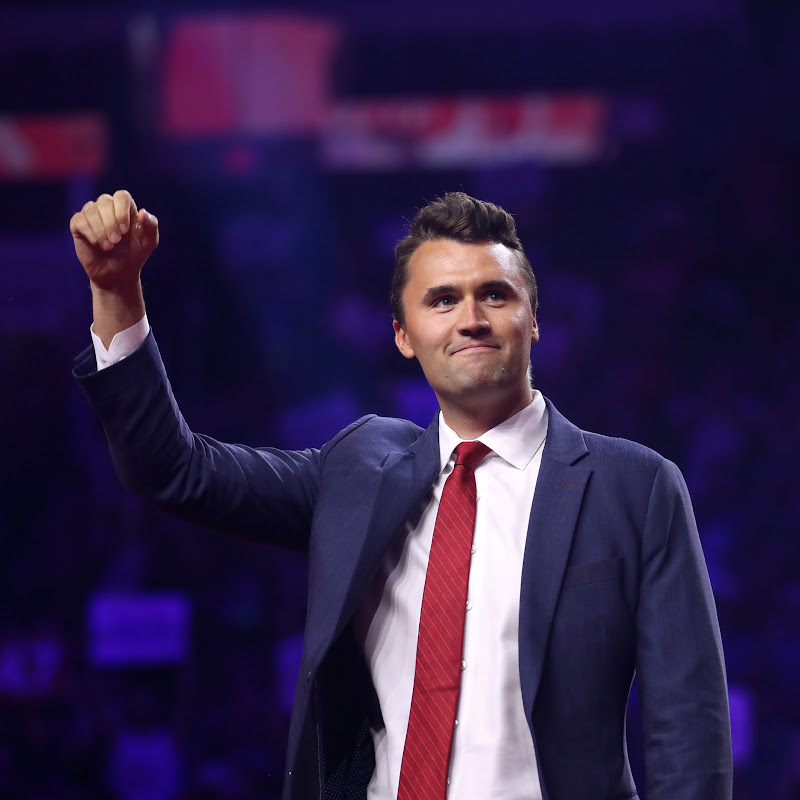
Charlie Kirk is the Founder and President of Turning Point USA, the largest and fastest growing conservative youth activist organization in the country with over 250,000 student members, over 150 full-time staff, and a presence on over 2,000 high school and college campuses nationwide. Charlie is also the Chairman of Students for Trump, which aims to activate one million new college voters on campuses in battleground states in the lead up to the 2020 presidential election. His social media reaches over 100 million people per month and according to Axios, he is one of the "top 10 most engaged" Twitter handles in the world. He is also the host of “The Charlie Kirk Show,” which regularly ranks among the top news shows on Apple podcast charts.
Charlie Kirk Debates College Student on Trump, January 6th, and the Greatest Threats to American Democracy
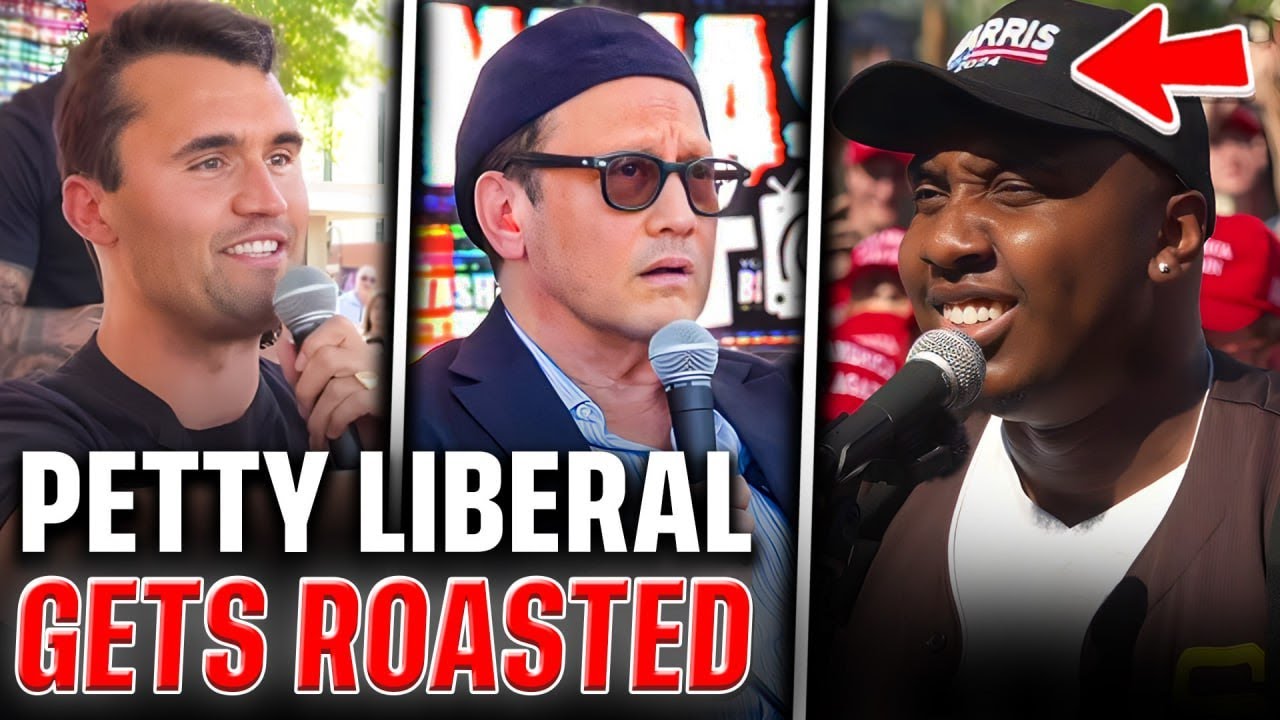
Charlie Kirk confronts a college student who believes Donald Trump is the most dangerous politician in American history. The heated exchange covers January 6th, election challenges, Dick Cheney's endorsement of Kamala Harris, and whether Trump represents a greater threat than figures like George W. Bush or Jefferson Davis. The debate reveals stark generational divides on democracy, leadership, and what truly constitutes a threat to the Constitution. Kirk pushes back on media narratives while the student defends contemporary Democratic talking points.
When College Students Call Trump the Greatest Threat Ever
College campuses used to be the anti-war home of America. Now the Democrat Party hosts former CIA directors speaking at the DNC just minutes before Kamala Harris takes the stage. Leon Panetta appeared at the convention, and Dick Cheney came out publicly declaring Donald Trump "the most dangerous person in the history of the country."
During a campus debate, one student echoed this sentiment completely. When asked if he truly believed Trump was the most dangerous person in American history, the student responded affirmatively: "I believe the way that he tried to go across and completely erase our Democratic process."
Comparing Threats to Democracy
The conversation quickly turned to historical comparisons. Was Trump more dangerous than Timothy McVeigh, who committed the Oklahoma City bombing? The student clarified he meant politicians in power, specifically modern politicians.
But what about Jefferson Davis, who led the Confederacy? Or George W. Bush, who launched two wars that killed thousands of Americans and millions of Iraqis? The student insisted Trump's threat was unique because he "almost overturned the election" and "the Constitution almost got completely overturned by Trump."
The student pointed to Trump's Supreme Court appointments and noted that even a "Trump-oriented Supreme Court" didn't accept his election cases. He credited Mike Pence for preventing what he saw as a constitutional crisis.
January 6th Under the Microscope
The debate intensified around January 6th. The student claimed Trump went to the Capitol, which was corrected—Trump told supporters to go "peacefully and patriotically" to the Capitol Building. The question became: how many people actually engaged in violence?
Charlie Kirk noted that only about 40 or 50 violent people were among 3,000 present that day. The only person who died was Ashley Babbitt, an unarmed American veteran shot by a Capitol Police officer. She was a Trump supporter killed while protesting.
When pressed on whether Babbitt deserved the death penalty for crossing a threshold, the student expressed discomfort but maintained that officers gave strict orders. The exchange highlighted a fundamental disagreement: was January 6th an existential threat to democracy or a largely peaceful protest with isolated incidents of violence?
The Hillary Clinton Standard
To test consistency, Kirk raised Hillary Clinton's refusal to concede her loss to Trump. Clinton called Trump an illegitimate president and blamed Russian interference. She never attended Trump's inauguration in the traditional sense of conceding defeat.
Was Clinton also a threat to democracy? The student said no, distinguishing between Russian disinformation campaigns and direct vote manipulation. This revealed a double standard: challenging election results is acceptable for Democrats but disqualifying for Republicans.
Leadership Versus Results
The conversation shifted to presidential effectiveness. Kirk posed a hypothetical: would you prefer someone you consider a bad leader under whom the country prospered, or someone who seems like a good leader while the country deteriorates?
The student acknowledged the economy was decent under Trump but insisted leadership character matters more than outcomes. He criticized Trump for not attending Biden's inauguration, for flip-flopping on ideas, and for rhetoric that "trickles down to the American people and ultimately can have really adverse effects."
Yet when asked if Kamala Harris represents good leadership, the student could only say she's "better than Donald Trump." The bar for Democratic leadership appeared to be simply not being Trump, regardless of policy outcomes or the current state of the country.
The Dick Cheney Question
The debate began with the irony of Dick Cheney, architect of the Iraq War and one of the most reviled figures among progressives for decades, now being embraced by Democrats because he opposes Trump. This represents a remarkable political realignment where anti-war activists now align with neoconservatives and former CIA leadership.
The student struggled to reconcile Cheney's past with his current usefulness to the anti-Trump coalition, highlighting how Trump has scrambled traditional political allegiances and forced strange bedfellows across the ideological spectrum.
What This Debate Reveals
This exchange demonstrates the deep programming many college students receive from Democratic narratives and mainstream media. The student couldn't name a single independent thought that deviated from standard talking points about Trump, January 6th, or election denial.
More concerning is the selective application of standards. Election challenges are legitimate when Democrats do it but insurrectionary when Republicans do. Political rhetoric is dangerous when it comes from Trump but acceptable from those who call him a fascist, Hitler, or the greatest threat in American history.
The conversation ended with a fundamental question unanswered: if you believe Trump is worse than George W. Bush, who started wars that killed millions, based on 40 people breaking windows at the Capitol, have you been given the tools to think critically about political events?