2,422 videos 1,389,747,653 views US Joined Aug 30, 2018
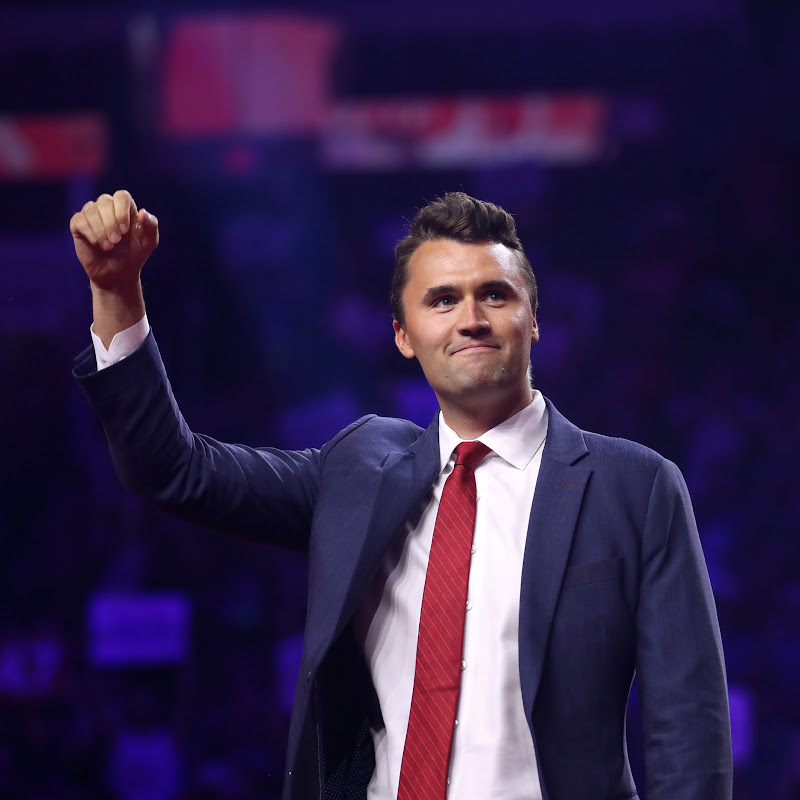
Charlie Kirk is the Founder and President of Turning Point USA, the largest and fastest growing conservative youth activist organization in the country with over 250,000 student members, over 150 full-time staff, and a presence on over 2,000 high school and college campuses nationwide. Charlie is also the Chairman of Students for Trump, which aims to activate one million new college voters on campuses in battleground states in the lead up to the 2020 presidential election. His social media reaches over 100 million people per month and according to Axios, he is one of the "top 10 most engaged" Twitter handles in the world. He is also the host of “The Charlie Kirk Show,” which regularly ranks among the top news shows on Apple podcast charts.
Charlie Kirk Defends Controversial Campus Signs and Free Speech in Heated Portland Debate
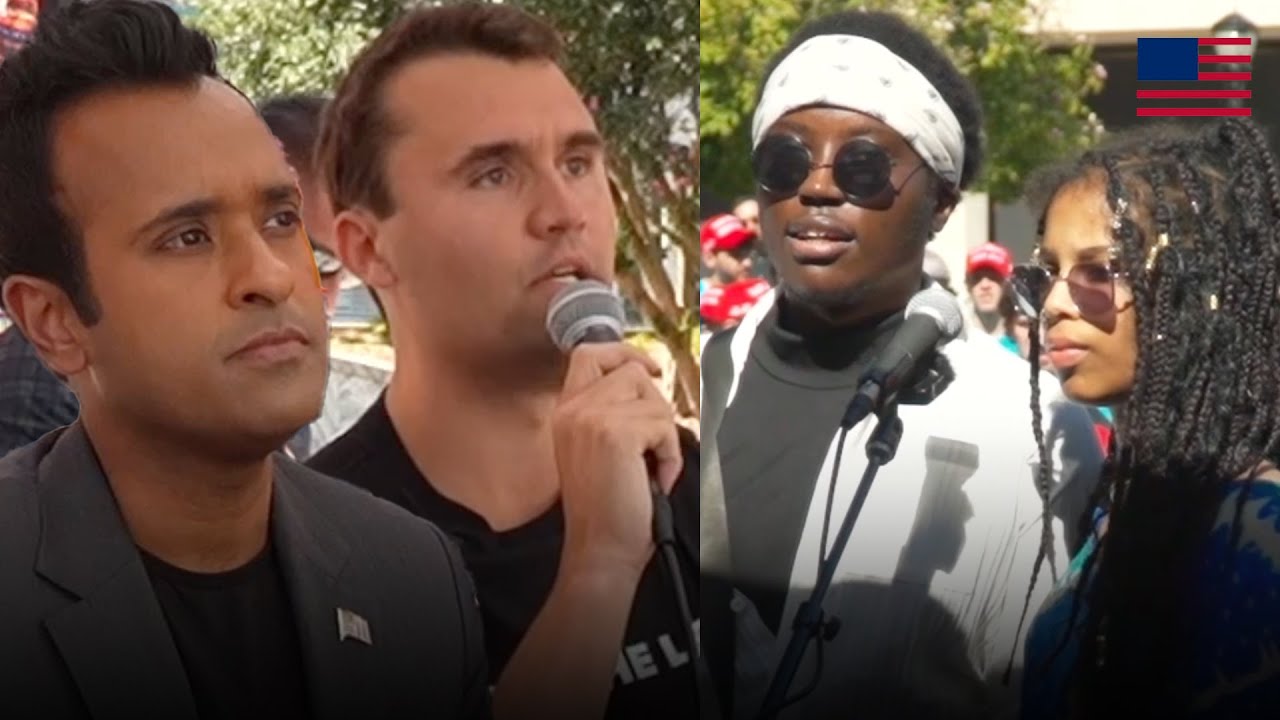
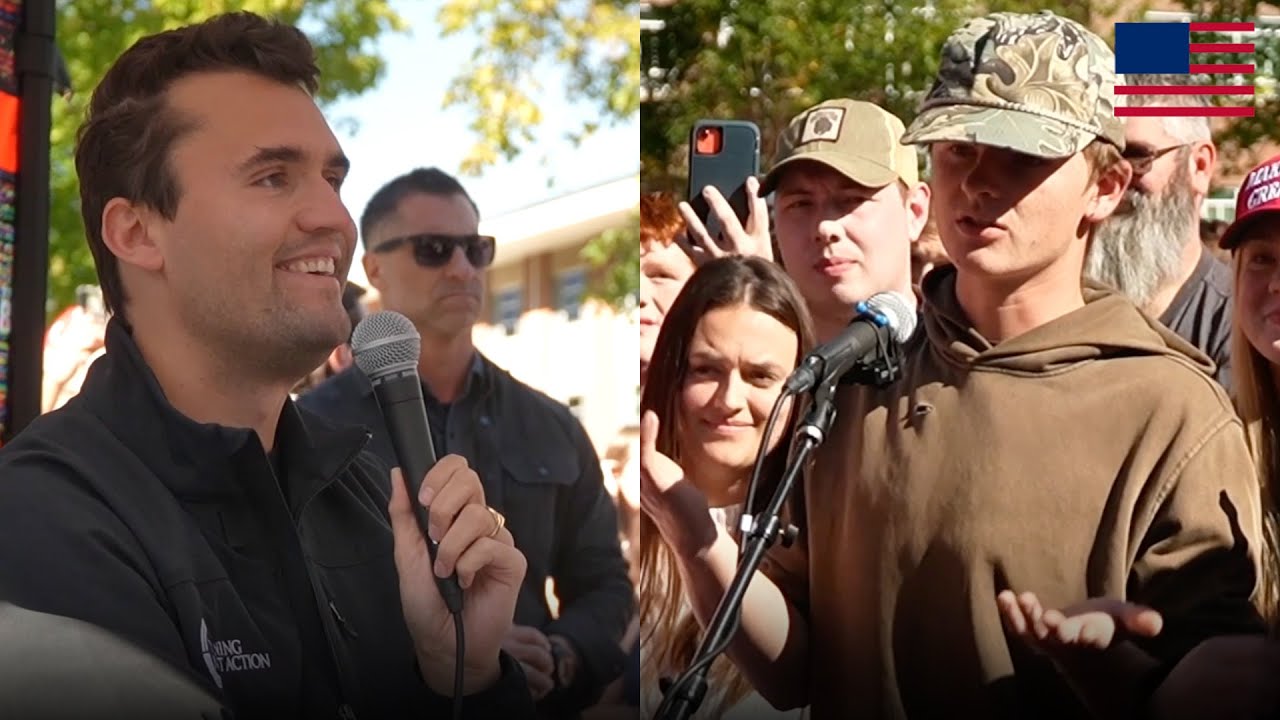
Charlie Kirk finds himself in a tense but civil exchange with students at what appears to be a Portland-area campus, defending his right to display controversial signage while navigating accusations of disrespect. The conversation touches on the nature of free speech, the difference between provocation and hate, and the challenges conservatives face expressing opinions in left-leaning environments. Kirk maintains that simple statements of opinion, however offensive some may find them, should not trigger people in a free society, while the students push back on his presentation methods versus his actual message. The exchange exemplifies the tension between speaking truth as one sees it and the concern for how that truth lands in diverse communities.
The conversation begins with a student challenging not Charlie Kirk's message itself, but his presentation style. The student identifies as a registered Republican but suggests Kirk's approach is disrespectful. Kirk immediately pushes back, questioning what specifically in his statement is disrespectful and whether causing offense is inherently his problem.
The student acknowledges understanding Kirk's frustration, noting that as someone on the right attending school in one of the most far-left places in the United States, they've experienced similar challenges. The student describes being called "pro-lynching" and other inflammatory labels simply for holding conservative views. This common ground sets the stage for a deeper discussion about how conservatives can effectively communicate in hostile environments.
The Ice Hat and Optics Problem
The conversation turns to Kirk's visual presentation—specifically an ICE hat and other signage that the students believe is causing people to stand back in fear rather than engage with his actual arguments. The student makes a key distinction: Kirk's points are valid and should be heard, but the representation is causing more people not to listen than if he simply sat and talked.
Kirk acknowledges this is exactly correct but presents a counter-argument: if people turn you off simply because of a sentence or symbol, that illustrates a "cultural cancer" that exists. He maintains he has nothing but love for all people and defends his ICE support by pointing to their work going after child traffickers and cleaning up communities.
The students respond that ICE also tears families apart by going after illegal immigrants. Kirk concedes they do pursue those who broke federal immigration laws but maintains this shouldn't be offensive—people can disagree, but the visceral reaction shows how far society has moved.
The Gender Identity Flashpoint
The discussion shifts to what appears to be a sign about gender identity. Kirk explains his position: if someone identifies as transgender, that's their choice, but don't force him to pay for it. He also maintains he can hold the opinion that biologically and chromosomally, there are only male and female.
A student suggests that while Kirk can hold that opinion, saying it shows disrespect to some people. Kirk strongly disagrees with this premise, arguing this is the whole point of his demonstration. He didn't say he hates transgender people or that they should be locked up—he simply made a statement of opinion based on biological analysis.
Kirk emphasizes that America has become "so soft and so weak" that people wearing a Make America Great Again hat are treated as if they're wearing a swastika symbol. He defends to the death someone's right to burn the American flag, even though it pains him, noting that would be far more offensive than his statements, yet he would still engage in conversation with that person.
Intentional Provocation or Simple Truth?
One student suggests Kirk is clearly being intentionally provocative. Kirk initially denies this characterization, arguing his sign and hat represent simple, widely accepted scientific consensus. The students push back, noting this is subjective—it might be a scientific standard for some people, but in their reality, this hurts people whose very identity this contradicts.
Kirk maintains a firm position: you should never not say something based on someone trying to be offended by it. You should only say what you believe, and if that offends someone, so be it. When asked why he takes this approach in this particular setting, Kirk explains that what makes this country special is having these conversations in difficult places.
He notes he's in the less than 1% consensus on this campus, but that's what makes civil discourse interesting. It's not easy for him to come there and have people say "go to hell" or curse at him, but he believes it's necessary.
Respect, Worldview, and the Line Between Facts and Opinions
A student respectfully acknowledges appreciating Kirk's willingness to present his opinion and engage in civil discourse, but explains their personal approach: when going into conversations, they try not to offend anybody, try to state opinions and beliefs while recognizing those are opinions and beliefs, and acknowledge they come with their own worldview and bias rather than stating beliefs as facts.
Kirk responds that anyone can come and say anything they want, emphasizing he's not inciting hatred toward any specific group of people. That interpretation is being wrongly inferred from his statement, which is the broader point he's making.
Overgeneralization and the Dangers of Inference
Kirk uses an example of how dangerous inferences can castigate entire segments of the population. He points to how people say the President says or does certain things, therefore he hates specific groups of people. Kirk argues these inferences lead to overgeneralization, such as calling flyover country racist or people in Alabama backward-thinking.
This overgeneralization happens when people stop talking to each other. Kirk defends his approach: state facts, others state facts, and maintain mutual respect without violence. He notes a lot of violence has happened in Portland recently because people come at issues from hatred positions, which he opposes.
The Final Distinction: Provocation to Think vs. Provocation to Hate
Kirk clarifies he doesn't wake up every day hoping to make people cry or suffer—that would be masochistic. When a student points out that earlier Kirk said he doesn't provoke people, yet his approach clearly does, Kirk refines his position. He agrees he provokes people to think and to speak, which is different from provoking violence or hatred.
The student accepts this distinction, noting there are certain people who come to campuses and say hateful things to try to get attention and push the boundaries of free speech. The implication is clear: Kirk may be provocative, but he's not in that category of campus speakers who traffic in genuine hate rather than controversial opinions.
The conversation ends with mutual respect intact, demonstrating that even heated disagreements over presentation and content can remain civil when both parties are committed to actual discourse rather than shutting each other down.