Charlie Kirk on Gun Ownership for LGBT Americans and Breaking Liberal Identity Politics
Enjoying this? Share it with someone who needs to see it.
Up Next
Charlie Kirk Addresses Family Division, Academia's Decline, and Rising Left-Wing Violence at UC Davis Event
43:07
Charlie Kirk Challenges California Student on School Safety: Why We Protect Banks But Not Children
3:39
Charlie Kirk Defends Trump Administration, Debates DEI, Illegal Immigration, and Abortion at Texas A&M Event
1:24:54
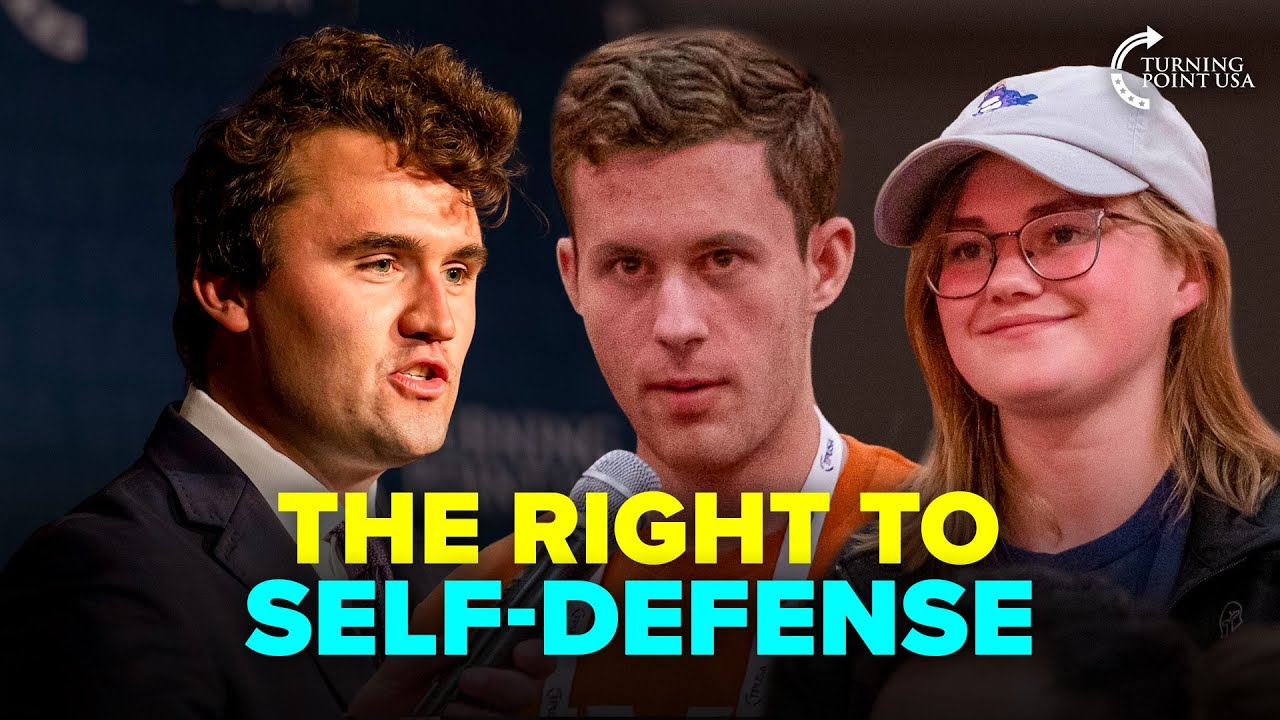
Charlie Kirk on Gun Ownership for LGBT Americans and Breaking Liberal Identity Politics
Charlie Kirk discusses gun ownership and Second Amendment rights with a gay college student from Berkeley who has been mugged multiple times. The conversation explores why many LGBT Americans oppose gun ownership despite facing potential threats, how liberal identity politics shape views on firearms, and why the Second Amendment should transcend political affiliation. Kirk argues that guns serve as equalizers for anyone who feels marginalized or physically disadvantaged, emphasizing personal autonomy over reliance on others for protection.
In a candid exchange at what appears to be a college campus, Charlie Kirk engaged with a gay student from Berkeley about Second Amendment rights and the LGBT community's relationship with gun ownership. The student, who had been mugged multiple times, raised an important question about how to encourage more LGBT Americans to embrace firearm ownership for self-protection.
Kirk's response cut straight to the heart of the matter: "The gun's a great equalizer." He argued that anyone who believes they might be targeted or terrorized has a moral right to defend themselves and their liberty. Rather than viewing gun ownership through a partisan lens, Kirk emphasized that it should be a universal right transcending sexual orientation, race, or political affiliation.
Why LGBT Americans Often Oppose Guns
When Kirk asked why the majority of gay people tend to be anti-gun, the student offered revealing insight into the cultural forces at play. He explained that liberal identity politics and corporate pride culture—particularly visible in cities like San Francisco and Berkeley—heavily influence LGBT opinions on firearms. The community often gets swept up in mainstream Democratic Party positions on gun control, even when those positions might not serve their actual safety interests.
Interestingly, the student noted an exception: trans people seem more likely to own firearms for self-protection. This observation suggests that direct experience with threats or vulnerability can override political orthodoxy when it comes to personal safety.
The Moral Case for Self-Defense
Kirk extended his argument beyond the LGBT community, pointing to other groups who might benefit from gun ownership. He specifically mentioned women who may face physical disadvantages in confrontations, and even referenced Black Lives Matter supporters, noting that if someone genuinely believes they're being hunted, responsible gun ownership makes logical sense.
The core of Kirk's position rests on a moral argument about personal autonomy: "Who are you going to trust to defend yourself?" In areas like Berkeley, where trust in police may be low and guns are considered taboo, Kirk challenges people to think critically about who will protect them if they can't protect themselves.
Breaking Through the Taboo
The Berkeley student described gun ownership in his community as "almost taboo," something met with reactions of "whoa, that's a bit much." Kirk encouraged him not to let social pressure dictate his safety choices. For someone who has been mugged multiple times, the practical need for self-defense should outweigh peer disapproval.
Kirk acknowledged the existence of a "massive gun control lobby" working to restrict firearm access, and recognized that fear surrounds gun ownership in America. However, he maintained that the right to self-defense through firearms should be accessible to all people, regardless of whether they're conservative, libertarian, or liberal.
Community Defense and Personal Responsibility
The student framed his interest in gun rights partly as "community defense," a concept Kirk supported while clarifying he doesn't advocate for violence or "dueling in the streets." The conversation highlighted a tension between collective political identity and individual safety needs—a tension that Kirk believes more LGBT Americans should resolve in favor of armed self-defense.
By the end of the exchange, Kirk's message was clear: the Second Amendment exists partly to protect those in marginalized positions. Rather than relying on police, government, or others for protection, individuals should take responsibility for their own autonomy and safety. For LGBT Americans facing real threats, that means seriously considering gun ownership despite prevailing attitudes in progressive communities.