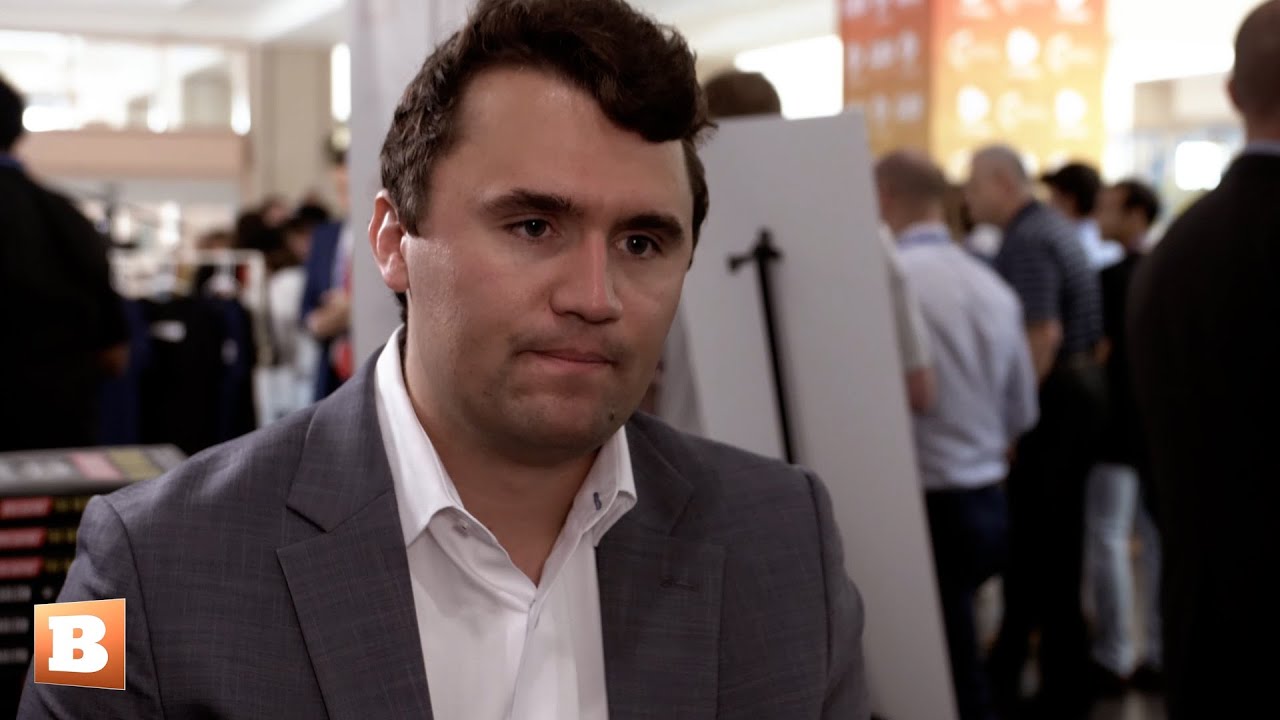
Charlie Kirk Reveals Why Reading Writing and Arithmetic Is Not Enough in Modern American Education
Enjoying this? Share it with someone who needs to see it.
Up Next
Charlie Kirk and Pastor Rob McCoy Launch Movement to Empower America's Pastors to Fight Tyranny
28:56
Charlie Kirk on Trump's Plan to Dismantle the Department of Education and Restore Local Control
9:31
Charlie Kirk Confronts Gender Ideology and the Erosion of Truth at University of Arkansas
1:33:43
Charlie Kirk Reveals Why Reading Writing and Arithmetic Is Not Enough in Modern American Education
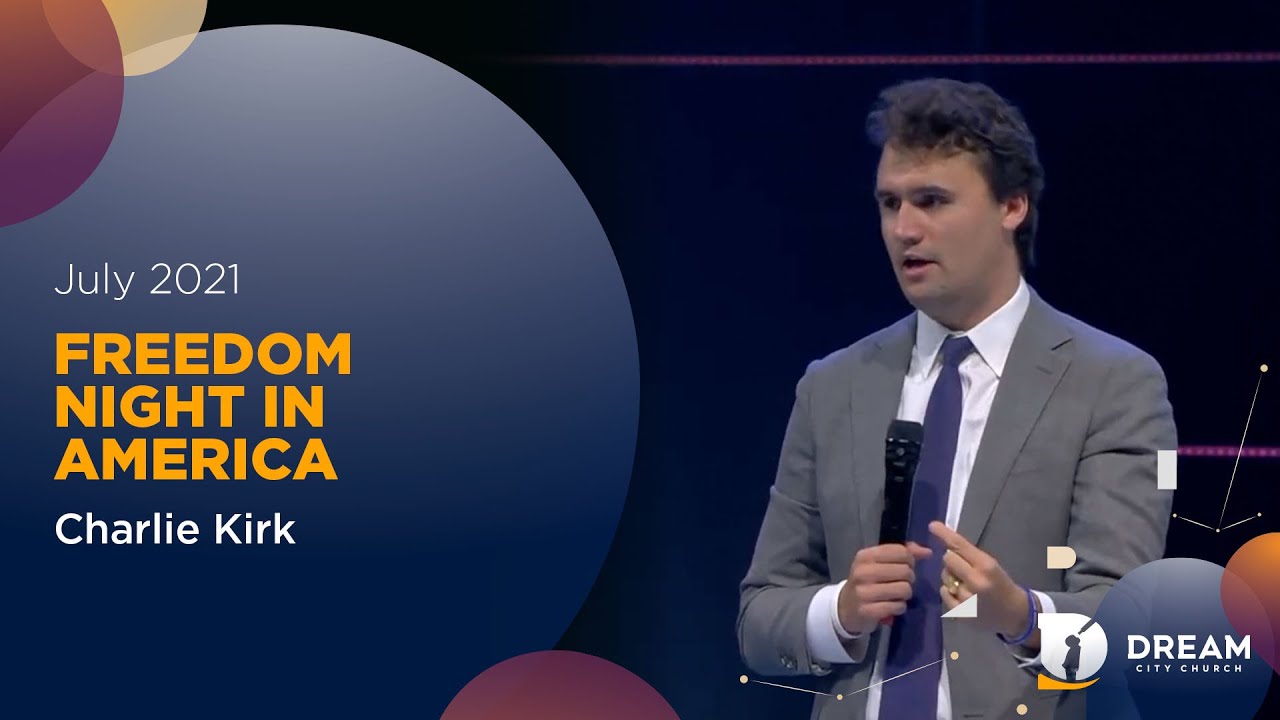
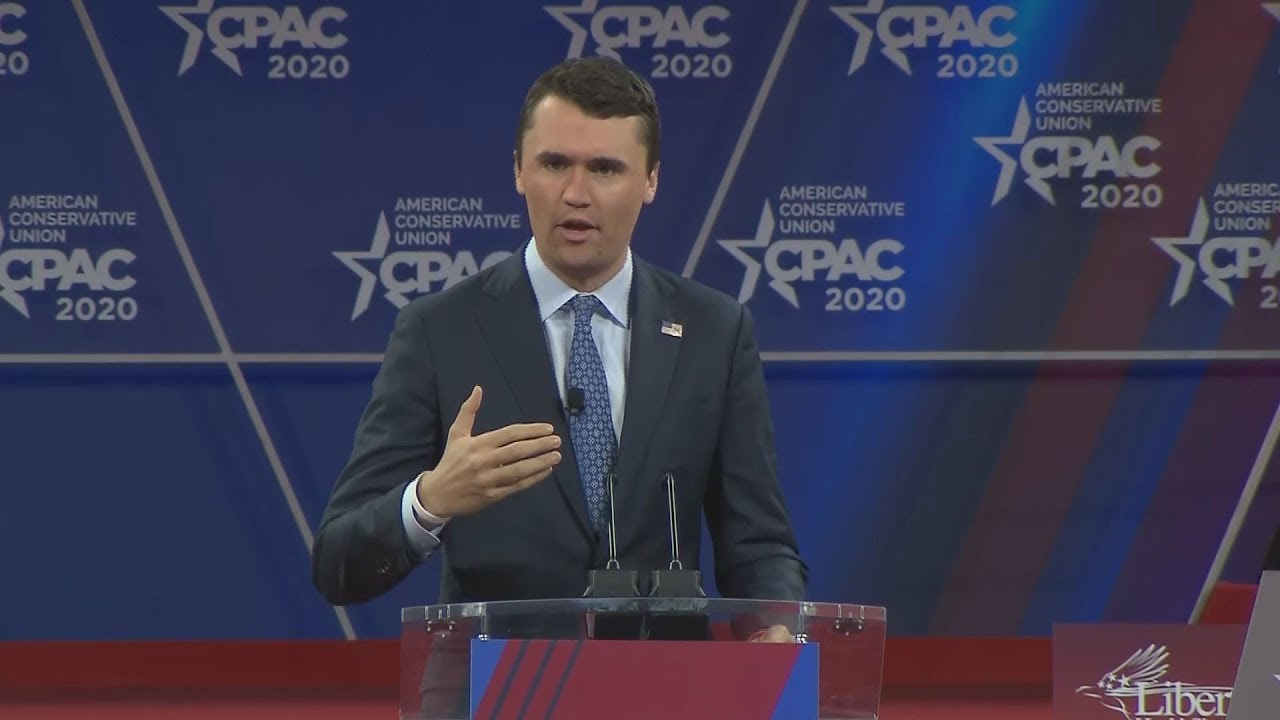
Charlie Kirk challenges the conventional conservative approach to education, arguing that the widespread demand for schools to simply teach reading, writing, and arithmetic fundamentally misunderstands what education truly is. Speaking at a Turning Point Academy event, Kirk contends that education should be about developing and nourishing the soul and character of a child, not merely transferring technical skills. He addresses why most conservatives are actually liberals when it comes to education, the dangers of handing children over to government-run schools for thousands of hours, and why the idea of a neutral classroom is both impossible and undesirable. Kirk examines the deep connection between educational systems and the administrative state, explaining how decades of state-controlled education have primed Americans to accept government authority rather than embrace self-governance and liberty.
The Fundamental Problem With Conservative Education Views
Charlie Kirk opens by identifying what he believes is the biggest problem in how parents view education in America. The phrase he hears constantly from politicians and parents—"all I want from my local school is a school that will teach reading, writing, and arithmetic"—represents a fundamental misunderstanding of what education actually is. While Kirk acknowledges this might be a progressive step in places like California, where it's now against the law for teachers to inform parents if their child identifies as transgender, he argues this framework is ultimately insufficient.
Education is not just the transference of technical skills, Kirk explains. That could be accomplished by watching YouTube videos. Instead, education should be the development and nourishing of the soul and character of a child. This represents a completely different paradigm than what most people think education is.
The Myth of the Neutral Classroom
Kirk takes aim at conservatives who say they want a neutral classroom where all viewpoints are heard equally and children can choose for themselves. He calls this "an awful idea" and challenges the logic by asking whether we should present both sides when teaching germ theory—bloodletting versus understanding communicable diseases and bacteria. Should we present both sides of whether the Earth or the Sun is the center of our solar system?
The question becomes even more pressing when it comes to morals. Kirk argues that Americans have fallen for a 1960s new left post-modernist liberal lie, and that most people who identify as conservatives are actually liberals when it comes to education—they just don't know it. Most people who attend Turning Point events, he suggests, are liberals when it comes to education because they think the government has a primary role in educating children.
Kirk makes a stark declaration: the state does not have a role in educating your child, period. While this is a radical proposition today, it's how the country was founded and became the greatest country in history. There was no Department of Education when Jefferson, Madison, Hamilton, and Adams learned to speak fluent Hebrew. They were taught by either their parents or local religious community institutions through a Christian classical educational model.
The True Cost of Government Schooling
Kirk breaks down the mathematics of handing children over to government-run school systems. On average, parents are basically telling the state "you are now in charge of my child, I am not" for anywhere between 40 to 60 hours a week. Taking the lower estimate of 40 hours per week equals 160 hours per month. With school in session for seven or eight months a year, that's over a thousand hours annually—or between 15,000 to 18,000 hours over 18 years that parents are handing their child over to strangers to develop.
The idea that during all these hours only reading, writing, and arithmetic will be taught is impossible, Kirk argues. At some point, a child yearns to know what is just—the most fundamental question a human being has. As Plato told us, a child will always try to figure out what is justice, which is simply asking what is right and wrong, when we should punish things, and when we should reward things.
A teacher will inevitably make moral arguments. Is cheating wrong? When a student interrupts a classmate, doesn't the teacher have to make a moral argument? When a student is late for class or doesn't follow the dress code, moral arguments must be made. Everything in education is moral, not technical, but Americans have been propagandized to believe they can hand over their children and they'll come out like widgets from an assembly line with a bunch of skills and the same morals they were raised with from ages zero through six.
Why We Don't Stand Up: Fear of Names
Kirk identifies what he believes is the core reason conservatives are hesitant to take a strong stand on education: fear of being called bad names. He admits this frankly, stating that freedom-loving conservatives are afraid of being called Christian nationalists or outdated anti-education people. "We are losing the country because we're afraid of being called bad names," Kirk states. "It's that simple."
He explains that Americans are afraid to stand up to the government educational system because of name-calling. When children are in a non-Christian or secular educational environment, they won't be comparing their standards to the perfect laws of God but to some ever-moving target of secular ideology.
The Connection Between Education and Liberty
The failures America faces today are downstream from sacrificing and not prioritizing the education of children 30 or 40 years ago, Kirk argues. Parents handed children over to the state and acted as if they wanted them to hear both sides of debates when it's hard enough to teach a fourth grader anything, let alone giving them both sides.
Kirk emphasizes a critical point: not all ideas are created equal. All human beings are created equal, but not all ideas are. Certain ideas are better than others—the promise of Christianity is better than paganism, and Western Civilization is better than Islamic fundamentalism. When he says this, critics call him fascist, but he encourages people to reject such name-calling.
The culture is committing suicide, Kirk contends, largely because of a lack of grasping these educational concepts. Americans are afraid to lead with what they know to be true—that the standard by which children should be educated comes from the Almighty, from the Eternal, from the Divine. It doesn't come from a test tube or from experts on some committee.
The Prussian System and the Deep State
The way Americans have been propagandized to believe how education works—from how kids sit in class to what they're taught—is a Prussian John Dewey modern invention of the administrative state, Kirk explains. There cannot be a deep state in politics if there isn't an educational system that primes people to work for that deep state, to not be critical thinkers, to not be developed in their souls, to just be widgets in an assembly line who show up, do what they're told, wear the mask, take the sixth vaccine, and keep repeating that America is systemically racist.
Liberty Requires Self-Government
Kirk invokes what he learned from Dennis Prager about the American Trinity: In God We Trust, Liberty, and E Pluribus Unum (out of many, one—a Biblical and Christian idea meaning we are all one species). You cannot have liberty if you do not have people taught in self-government.
This is the tension point explaining why the country is so divided: tens of millions of people go to government-run schools, yet Americans act as if liberty can continue. It won't happen, Kirk warns. There can be moments of revival and people can be released from the shackles of their upbringing, but if there are 18 years of indoctrination where schools don't talk about the necessary components of self-government, how to develop a child into a sovereign citizen, or the importance of strong families, then of course young people will turn to the administrative state.
Kirk puts it plainly: don't be shocked when a bunch of young people become statists or leftists when they were educated in the statist and leftist machine. This shouldn't be surprising regardless of how many school boards conservatives take over.
When Christians Abandoned the Public Square
The system itself, Kirk argues, has a corrupted enterprising value at its core. Even if conservatives take over school boards, the incentive structure remains fundamentally flawed. The left is effective because they recognize that conservatives are weak and distracted. When the Ten Commandments were removed from schools (which Louisiana is thankfully putting back), the left simply put in their own Ten Commandments—the BLM Commandments, how to be an anti-racist materials, or Gay Pride flags.
Substitute moral orders are implemented when Christians abandon the public square. Why Christians abandoned it isn't hard to figure out—they simply stopped caring a long time ago. Now there's an effort to rebuild institutions, which is critically important.
What Educators Should Be Unapologetic About
Kirk addresses the educators in the room directly: they should be unapologetic in their presentation that they are trying to develop a child in a certain direction. Education is not an act of randomness hoping to see how things work out. There is direction to education—the word literally means in Latin "to lead forth," to lead forth toward something.
Yet parents believe that if their kids end up liberal, they're liberal, and if they're conservative, they're conservative, because parents don't want to get in the way of their development. This viewpoint is damaging.
As educators, the task is to mold children into people who appreciate the good, the true, and the beautiful. To develop fully formed citizens who can think critically and understand the need for self-government. Who know the importance of liberty and want to protect freedom. And most importantly, who know there is a God, they are not God, and they want to obey God's teaching and worship Him. That's what educators are tasked to do.
Questions on School Boards and School Choice
During the question and answer session, Kirk addresses someone running for school board in a large Texas district. His honest assessment: "You're probably going to get nothing done." He explains that school board members will lie, steal, cheat, and destroy documents, but people should still run and try to expose problems and build consensus.
The best way to understand it, Kirk says, is that Congress is nothing more than an annoyance for bureaucracies. The Secret Service, FBI, and Department of Justice do whatever they want. There's no check and balance anymore because the form and structure of government no longer exists. School boards operate the same way—they don't listen to school boards, viewing them as annoyances.
However, it's still a worthy fight for exposing problems. The energy it takes to retake school boards might be better directed long-term at building independent educational institutions, but Kirk is conflicted because students in government-run schools deserve to be rescued. This is why he supports school choice legislation like what exists in Arizona.
Kirk acknowledges that many school board members tell him they have a majority but no one listens to them. His response: "If you're not willing to close the local school, then you shouldn't be on the school board."
The School Choice Debate Among Conservatives
When Kirk asks the room who is against school choice, about half the hands go up. He notes this proves it's not the political winner people think it is. The primary concern is that people don't want the government telling them what to teach, citing Sweden as an example of school choice gone wrong.
Kirk shares that in Arizona, he can confirm there are fully Christian schools with no strings attached receiving school choice funding. But it's a legitimate concern that needs to be addressed. He notes that at Texas Grassroots events, he gets heckled when advocating for school choice with people screaming at him.
Turning Point doesn't get deeply involved in the most contentious policy fights because it's a great way to divide people. Kirk believes school choice is a good idea, especially in states like Arizona and Texas, but acknowledges the legitimate concern about whether government funding will allow government intrusion into homeschooling environments.
A homeschool parent from Florida raises concerns about the Step Up program, which requires parents to de-enroll students as homeschoolers to participate, making them part of the government system. Kirk's general rule, siding with homeschool skeptics: you do not get government money (taxpayer money from the treasury) without strings. It almost never happens.
Kirk is clear about his personal approach: he plans to homeschool all his kids without taking any money from anybody or registering with anyone. If families need the $7,000 or $8,000 per year per student, they should understand that soon they'll get a knock on the door from the state Department of Education wanting to see what they're teaching their kids.
Getting People to Care
A homeschool mother from Mount Dora, Florida, asks how to inspire people in her church to understand what's happening. Kirk identifies this as his life's work: how to get good people to care. He notes that people think they care, think they understand, think they're informed, but they don't.
He points out that Turning Point USA college students care far more than most Christians. His California friends are different because they're grounded—they see the local July 4th parades cancelled while there are month-long gay pride parades, more gay flags than American flags. They are the resistance in Nazi-occupied France because they see the bombardment every day. But 45 minutes outside of Orlando—that's comfortable territory where times are still relatively good.
Kirk admits he hasn't totally figured out how to get good people to care, despite it being his life's work. But he emphasizes that leaders must challenge good people to become courageous people. This is critically important, and leaders can never stop caring because if they do, everything falls apart.
During the lockdowns (Kirk is careful to distinguish "lockdowns" from "COVID"—a very big distinction, as they decided to lock down society and shouldn't have), many people woke up to how bad things were and could get. But that was just a little taste of what's planned.
The Biblical Truth About Liberty
Kirk shares one of the hardest truths: human beings do not desire liberty, and this is Biblical. When someone told him humans want to be free, he called it the most unbiblical idea he'd ever heard. When God delivered His chosen people out of Egypt into the desert, within a short time they wanted to go back to slavery under Pharaoh because at least they had meat, onions, leeks, and cucumbers. God provided quail and manna from heaven—they wanted for nothing—but they wanted to return to slavery where they didn't even have a Sabbath because the food was better.
That's how many Christians are today. Kirk expresses frustration at how much non-religious secular leftists care about taking over the country while Spirit-filled Christians care so little about saving it.
Industry, Academia, and the Future of Education
When asked about the gap between industry and academia, Kirk points to Hillsdale College, which he calls America's greatest college. At Hillsdale, they have the most desired graduates to be hired, yet they don't really have a computer science department or the technical side people think they need college for. They just produce honest, courageous, wise graduates who can figure out skills wherever they go.
That's what education should be—the layering of skills on top is what postgraduate or technical training is for. Virtuous people who understand what it means to be filled with wisdom and the Spirit can figure out anything. Kirk believes big business coming into colleges has been very negative because businesses don't care if schools teach that men can give birth as long as they get their 800 data programmers per year.
He challenges the common parental statement "I just want my kid to be able to get a good job" by asking "Don't you want your kid to be a good person?" Parents respond that their kids are already good people, then say their child will get a good job by getting a degree at schools like the University of Colorado Boulder.
Kirk poses a hypothetical to business owners: if given two applications without meeting the candidates—one who graduated from the University of Denver with great marks, and one who didn't go to college but traveled to 50 countries—which would they hire? The answer from business owners is clear: the person who traveled the world. Kirk would rather hire someone who has seen the world and understands they're not the only thing that exists than someone who studied post-structuralist ideology at a university.
The Reality of School Closures and School Choice
The government affairs director for Step Up for Students in Florida asks Kirk about opponents arguing that scholarship programs are taking money and forcing public schools to close. Kirk's response is straightforward: he thinks it's awesome that schools are closing. If these places have done such damage to the country, and if more families are educating their kids while fewer LGBT zealots in Miami-Dade County are doing so, that's positive.
Education acts as if it's resistant to any disruption, change, or check and balance, Kirk observes. It's one of the few sectors that operates this way. Many people have had to fire employees, downsize during the 2008 financial crisis, or make adjustments in recent years because of supply and demand and changing dynamics. Yet government education expects constant growth toward oblivion.
If the market shows that parents can do a better job, schools should close. The whole idea that the state needs a heavy hand in education is flawed from the beginning. One of Kirk's passion projects is seeing the Department of Education closed or largely eliminated. It should not exist. He doesn't even think there should be state-based Departments of Education, though he acknowledges he's very pro-education—he just wants parents to no longer release their responsibility to the state.
Kirk's response to concerns about schools closing: the fact that inefficient, bloated, corrupt, left-wing government schools are closing is great news, and he thanks Governor DeSantis for his leadership on the issue.
Why Kirk Advocates Parents as Teachers
A student from Hillsdale University asks why Kirk promotes parents homeschooling rather than encouraging students to become teachers or start classical schools. Kirk's direct answer: because he thinks parents should be the teachers. America has way too many teachers already. Millions of parents need to become teachers again.
Kirk shares his own educational background: from third through fifth grade, he attended Christian Heritage Academy, then went to government-run schools from sixth grade through senior year of high school. Only one of his schools claims him as an alumni—the Christian school. If you go to Wheeling High School, they act as if he's some sort of school shooter, saying they don't know who he is or suggesting he went to Buffalo Grove or another school.
He can testify to the damage, inefficiency, and bloatedness of government-run schools because he's lived it. That said, there are roles for Christian schools for parents who can't homeschool. But his general thesis is that parents have far more ability to be heavily involved in their children's education than they give themselves credit for.
The Economic Pressures on Education
Kirk expresses enthusiasm for JD Vance becoming vice president alongside President Trump because Vance repeatedly talks about creating an economy where the wife does not have to enter the workforce if she doesn't choose to. If she wants to work, that's great, but the economic pressure shouldn't force the decision.
This is why there's been such a push to put children into government educational systems—in order to pay bills, both parents often must work. Kirk recommends a book by Elizabeth Warren from 2004 called "The Dual Income Trap" (noting with surprise that it's actually really good). In it, Warren wrote that America would become a worse country because millions of moms would have to leave the home and enter the workforce. Twenty years ago, conservatives responded poorly, saying mothers would find fulfillment at work—a bunch of lies, according to Kirk.
Making homeschooling more popular and these alternative systems more attractive requires fixing the economic pressures. How? Stop mass migration and stop importing foreign goods just to have plastic Americans don't need. Those two things will raise American wages and directly impact education. It all fits together into a comprehensive policy agenda.
Equipping Pastors and Churches
A member of Calvary Chapel, thankful her pastors encourage people to read and know the Bible for themselves rather than just taking the pastor's word, asks how Turning Point USA can help equip pastors with short videos to teach believers not to trust the medical and education establishments but to look to the Word for guidance. She also asks about helping Floridians be informed about voting no on Amendment 4.
Kirk confirms that Turning Point Action can definitely help with Amendment 4, the abortion measure. However, he offers a sobering assessment: it's probably going to pass. He looks at data for a living and wants to share something realistic, even if it's not uplifting.
Kirk describes himself as an abortion absolutist who wants to see abortion abolished—he believes it's a sin and a stain on the country and wishes America was as pro-life as he is. But when left to an up-or-down vote, the pro-life position doesn't win anywhere. Pro-life advocates have lost in Montana, Kentucky, Kansas, and South Dakota. Even the most pro-life states want some forms of abortion available.
He wishes this wasn't the case, but it shows that continued advocacy is necessary. Pro-life forces have not won a single abortion referendum in nearly a decade. The country is far more pro-abortion than Kirk would like, and most Christians are pro-abortion. When polling people at churches, the vast majority who attend regularly believe there should not be abortion limitations, or perhaps limits around six or eight weeks. That's where the vast majority of American Christians land.
For resources on education, Kirk points to TPUSA Faith and encourages everyone to attend the Believer Summit, where they'll be blown away by the videos and resources developed.
The Standard By Which Children Are Educated
Kirk closes by emphasizing the central choice: there will be a standard by which children are educated. Do parents want that standard to be the anthem of BLM, the trans agenda, or the Ten Commandments and the Gospel of Jesus Christ? That is the task before educators and parents.
Video Transcript
thank you thank you everybody please take a seat thank you uh that's wonderful Huts great work and um you know we've had a very slow summer not a lot going on um just kind of a boring news cycle uh and so I I don't I don't have as much time as I would like always to check in with some of our projects um given what's happening in a couple months here but I'm just thrilled to see the progress huts and Jennifer and Francine and the whole team and Scott um really wonderful and I want to talk about one thing and then we'll do questions which I think is the most fun right um so it's one major thing which is I I believe the biggest problem in how parents view education in the country and and this this is the the fundamental issue so I I started to to realize this as I would travel and talk about education from a political context and politicians and parents would say all the time all I want from my local school is a school that will teach reading writing and arithmetic how many times have you guys heard this that is so wrong and it is so cringe to hear and for the conservative movement to embrace this is a fundamental misunderstanding of what education is now I want to contextualize this that is okay to believe if you might live I don't know it's a good progress step if you live in California where Rob my pastor does and some of you do where they've just passed a law where it is against the law if a kid comes out as transgender to tell the parents that is now law in California not that you you you might want to it is against the law if you have a 12-year-old in a classroom and the 12-year-old is a boy and says that he is a girl it is now against the law for the teacher to call up the parent and say hey the 12 old is on hormone blockers taking gender assignment care that is now law in California so to move away from that towards Reading Writing arithmetic probably is a good step but what is education education is not just the transference of technical skills that that is easy you could do that by watching a bunch of YouTube videos education should be the development and the nourishing of the soul and the character of a child and that is completely different than what most people think education is secondly as involved in this when I hear some conservatives talk about education they say I just want a neutral classroom I I I want all viewpoints to be heard equally and I want my kid to be able to choose what an awful idea and so you should you should ask when someone says something as stupid as that so okay wait so you think that when we're talking about germ Theory we should like have both sides of the argument like you know oh yeah you could do blood leing or you could understand that you can have communicable diseases and bacteria and viral infections we have both sides the argument when it comes to whether or not the Earth is the center of the UN center of our galaxy or the sun is the center of our galaxy or how about when it comes to morals right when it comes to the the moral Dimension should we have both sides of the argument in that case we have fallen for a 1960s new left post-modernist liberal lie that most people who are conservatives are actually liberals and they don't know it well not just yeah I wouldn't even say that I'd say that most honestly of people that attend our events are liberals when it comes to education for example most people who are conservatives when it comes to education they think the government has a primary role in education the state does not have a role in educating your child period the state does not have a role and it is a radical proposition to say that out loud however it's how the country was founded and became the greatest country ever to exist in history of the world we did not have a Department of Education when Jefferson Madison Hamilton Adams learned to speak fluent Hebrew they were taught by either their parents or by the religious local community institutions that Shepherd them through a Christian classical educational model and so those two things I want to just kind of reemphasize when people say I just want my child to learn Reading Writing and arithmetic you should then ask them what happens when they come to a moral fork in the road so once you give your child over to the government run school system which if you run the math it's a remarkable amount of time you're basically telling the state you are now in charge of my child I am not and that is on average it could go anywhere between 40 to 60 hours a week that you're basically allowing some stranger to develop and nourish your child okay so that's 40 to 60 hours a week let's just take the lower that's 40 hours a week that is 160 hours a month and schools in session for what s or eight months a year so you're talking potentially over a thousand hours a year not to mention over 18 years 15 to 18,000 hours that you are handing your child over to strangers to allow them to develop your child and you say I only want Reading Writing arthic to be taught that will never happen first of all because at some point a child yearns to know what is just and we don't have to come up with that on our own okay play on osle told us that that a a child will always try to figure out what is Justice it's the most fundamental question a human being has what is Justice other that's a wonky wave saying what is right and wrong when should we punish things when should we reward things and you're trying to tell me a teacher will not put that forward of course they will for example is cheating wrong yes it is of course it is so when you're teaching Reading Writing arithmetic and you're cheating on the science test doesn't somebody have to make a moral argument of course when you're interrupting a fellow classmate does the teacher have to make a moral argument when you're late for class does a teacher have to make a moral argument when you don't dress properly with a dress code everything when it comes to education is moral not technical but we have been propagandized to believe that we can hand over our children and they're going to come out just like widgets and assembly line with a bunch of skills and the same morals that they were raised with ages 0o through six and here is why we're so hesitant is because we're hesitant to for whatever reason I I don't quite get it because I think it's we're really we being you know Freedom loving conserva it's not you guys in the room but just generally we're really afraid of the names they call us I I I I I I do this for a living and I have to tell you that actually is the reason it's not that they have like massive control of the institutions they kind of do we outnumber them we do we don't do the right thing because we're afraid of being called bad names period and when it when you get it put that way you're like wow we're losing the country because we're being afraid of being called bad names yes it's that simple we are afraid to stand up to the government educational Leviathan because you don't want to be called the Christian now nationalist or whatever nonsense they say you don't want to be called a outdated anti-education person then finally when you're in the second part of that is when a child is in a educational environment and you think they're getting a neutral education there is some standard that they are comparing that to and so when you hand a child over to a non-Christian or a secular educational environment they are not going to be comparing their standard to the perfect laws of God they're going to be comparing their standard to some sort of ever moving Target of secular nonsense and if we are honest with ourselves the failure the failures we have in the country are Downstream from us sacrificing of us not prioritizing the education of our children seriously 30 or 40 years ago handing them over to the state and acting as if I want them to hear both sides of the debate or the argument well how about you teach them something first it's hard enough to teach a fourth grader anything let alone giving them both sides of the debate and this is where it really drives them nuts not all ideas are created equal all human beings are created equal not all ideas are created equal and they say how dare you say one idea is better than the other which of course certain ideas are better than others the promise of Christianity is a lot better than paganism Western Civilization is a lot better than Islamic fundamentalism and they then they they call us fascist when you say that but again you should reject all those name calling but that that is at the fundamental core of it is that the culture that we are destroying we're committing suicide as a country it's really sad to see hopefully we can reverse it is largely because of our lack of grasping these Educational Concepts but we are afraid to lead with what we know to be true and to say that no the standard that we want our children to be educated behind is one that comes from the almighty it comes from the Eternal it comes from the Divine it doesn't come from a test tube it doesn't come from experts in some sort of a committee and the way that we've been propagandized to believe how Education Works from how the kids sit in class from what they are taught is a Prussian John dwey modern invention of the administrative state that we talk about the Deep State all the time in politics that you do not have a deep state if you do not have an educational system that primes people to go work for a deep state to not be critical thinkers to not be developed in their soul to just be widgets in an assembly line show up do what you're told wear the mask take the sixth vaccine and keep on repeating that America is systemically racist and be a good little soldier the country that embraced Liberty and I'll close this and we'll do questions is you cannot have Liberty which is a fundamental core American value the American Trinity I got this from Dennis Prager is In God We Trust Liberty and urbus Unum all three of which urbus Unum means out of many one it's a Latin phrase meaning we are all one species it is a it is a Biblical and Christian idea you cannot have Liberty if you do not have people that are taught in self-government and this is the tension point if you want to say why is the country so divided is you have tens of millions of people that go to government run schools and you you act as if Liberty can continue it's not going to happen now you can have moments of Revival and you can release people from the shackles of what they have been raised in but if you have 18 years of indoctrination that you're up against where they they do not talk about the necessary components of what self-government is or how to develop a child into a sovereign citizen or the the necessary component of strong families or any of these things then of course they're going to turn the administrative State this this is the best way I can put it don't be shocked when a bunch of young people become statists or leftists when they were educated in the statist and leftist machine it shouldn't shock you regardless of how many school boards you take over I love that by the way I'm really big fan of that regardless of how many things you do the system itself the the the enterprising value is corrupt to the core even and and I know some of you teach in government run schools we need to support you and help you but you guys know that the incentive structure is about I'm going to teach and this is where the left is very very effective is that they then say Oh the conservatives are super weak and they're too distracted doing their own thing and they we take away the Ten Commandments from our our school system which thankfully Louisiana is putting them back it's a small step but it's a good step I and it should be applauded is that the they say well we'll just put in our own Ten Commandments and remember by some standard you will be educating a child by because they'll be asking the question what is Justice and so therefore a child when they're eight years old they get rid of the Ten Commandments and they'll put in the BLM Commandments or the how to be an anti-racist or the Gay Pride flag so you have substitute moral orders that are implemented when we as Christians have abandoned the Public Square now why we abandon the Public Square is not that hard to figure out it's just we stopped caring a long time ago and now we're trying to rebuild institutions like this which is super important but what all of you are embarking on what you should embark on is you should be you should be Unapologetic in your presentation that you are trying to develop a child in a certain direction you are not just hoping that you're like well let's see how it works out no you are aiming towards something it is not an act of Randomness there is direction to your education education literally means in Latin to lead forth to lead forth toward something and yet parents believe like well if they end up being a liberal they're a liberal if they're conservative they're conservative because I don't want to get in the way of you know their development and that Viewpoint is so damaging and as Educators you trying to mold them into someone who appreciates the good the true and the Beautiful into people that are fully developed citizens that can critically think and understand the need of self-government that that that know the importance of Liberty and want to protect Li Liberty and freedom and most important importantly know that there is a God they are not God and that they want to obey God's teaching and to worship God and that's what you as educators are tasked to do okay let's do some questions guys I hope that made sense thank you uh yes ma'am hang on I'm coming with a mic thank you um so there's a lot of us that are running for Schoolboard a lot of conservatives I'm running for a Schoolboard in a very large Texas district I was wondering what advice you would give to conservatives who are on school boards and who are running for school boards it's a great question I don't want to diminish that I think it's important but you're probably going to get nothing done and um I'm just going to be honest we've been doing this for like 10 years um does anybody have similar experiences by the way yeah they they they will lie they will steal they will cheat they will destroy documents but you still should do it um and it's important to expose try to build consensus uh what part of Texas are you in oh yeah that's uh it should be conservative right but I'm sure it's liberal and it's been filtrated by a lot of different things um yeah look the best advice I I can have is even if you get a majority the this is the best way I could put it is that you you see how Congress is nothing more than an annoyance for the bureaucracies they don't listen to Congress like the Secret Service does whatever they want the FBI does whatever they want the Department of Justice whatever they want like the check there's no check and balance anymore because the form and structure of our government no longer exists this one of the reasons why I'm so involved in these next couple months because I actually want the Constitutional form to be reinstituted school boards are the same way they don't listen to school boards they think it's an annoyance they're like okay just give us our money and they'll do some Saab story about you know this one kid that can't have lunch if you don't authorize you know 500% increase in this thing and um and so but it's still a worthy fight on exposing and and launching um an effort to do that but all the energy it takes to retake school boards I think is better long-term directed in building our own educational institutions and I'm not saying it's not important because we should let them because I I'm conflicted at the same time there are students in these government run schools that deserve to be rescued they deserve to be brought out that is why I think we need to get more school choice legislation like we have in Arizona with our friends at Dream City to try to get them out and to try to allow the money to follow the child but um I I wish I had better news for you it's just it's I can't tell you how many school board members come up to me they're like Charlie we have a majority in the school board and no one listens to us and I was like well just close the school and they're like well that's too radical I go if you're not willing to close the local school then you shouldn't be on the school board all right we got a question over here uh yes we uh had a great breakout session earlier of school leaders that are uh trying to do some great work Across the Nation uh one of the things really stuck with me in what was said over there is that we know that we're one's legislation way one one group meeting away these legislators of of things rapidly changing uh to be able to get legislature to be on our side uh the great idea was brought up about political action committees putting together a pack that is going to support people that are trying to do things like we are within education and having Christ centered education with Biblical values and beliefs is there anything within uh turning point or ideas that you might have on being able to get political action committees together in whatever state might be having school choice so that we have backing in the halls of Congress to be able to do what's right for kids yeah it's a great Point uh we we're on turning point action we're temporarily more focused on winning and then we'll focus on you know legislation but um it's interesting I would be curious is anyone here against school choice I'm sure some people are yeah see that's about half the hands go up um so it's not a winner like you think it is because and I would imagine and I'm not is you don't want the government telling you what to teach right right yes um yes like Sweden right so it's not even the winner that people think it is half this room is against school choice so again in Arizona we love it because we could tell you none of that stuff happens we have fully Christian Schools no strings attached but it's a legitimate concern um and I again I go to Texas Grassroots groups I get heckled when I start advocating for school choice like scream that so um yes we do that's why we don't get involved in the deepest policy fights because it's just it's a great way to divide folks I happen to believe it's a good idea especially in in States like Arizona and Texas it's more I I I don't know the details of the policy of it but it's a legitimate concern which is that are you allowing the government to then come into your homeschooling environment potentially potentially so uh yes ma'am right now the homeschoolers are being uh branding with the money from the government the pp it's a lot of confusion a lot of parents doesn't know that can be dangerous for the freedom that we have as a homeschool parents do you mean Federal money or you mean State money Step Up Step Up state state money yeah step up money yeah yeah oh it's a state program here in Florida yes so so if you're a homeschooler in Florida does the Florida government have jurisdiction if you take the money over your your curriculum uh it's brand new it's like last year this starting but it's a lot of movement like parents like worries about you know participate you have to De enroll the student as a homeschool now is part of the government oh yeah so look here's here's the general rule which is where I side with the homeschool Skeptics because I basically am skeptical of everything that happens right now um because I just think these people lie to us relentlessly and again I it's too bad because I used to be idealist and then you know that that dies quickly um um which is that you do not get government money t it's taxpayer money but you don't get money from the treasury typically without strings it almost never happens now in Arizona we still have it but I mean look I I understand that it's a financial boost we're going to homeschool all of our kids I'm not taking any money from anybody I'm not again we're financially independent praise God but like I'm not going to register anybody like we're kind of crazy people that don't even like listen to all the medical stuff right um CU I I think they're poisoning our kids sorry like that's my opinion um but yeah like I just if you need what is it like extra $7,000 a year per student probably am I get am I right 8,000 a year I was about right per per student per year yeah but public school students get double look so if you need the 8,000 a year which is a lot of money right to do that just understand that soon you'll get a knock on the door from the Florida Department of Education and they'll want to see what you're teaching your kid and if you think I'm exaggerating that's that is very conceivable so yes so I'm a homeschool mom who comes from a medical background left that background homeschool my kids I'm in a co-op uh but the church that I'm in I'm finding it's hard to inspire even the people around me in the church just like you said to understand that this is truly happening in a small town in Florida um what is the best way to get their attention to get this out there to say this is true this is happening um to our church what uh what what city Mount Dora Florida I'm about 45 minutes outside of Orlando okay great first of all I love it you're uh you're isolating my life's work which is how do I get good people to care yeah because they they think that they do they think that they understand they think that they're right they don't again this is my whole project right how do I get good people to care yeah yeah I could put that on a shirt right how do you get good people to care um you dedicate 12 years of your life and keep building and be relentless and um at least let me tell you from the Turning Point USA standpoint how do I get college kids to care because college kids care way more than most Christians right as far as our Turning Point kids do like they do they're on fire they're organizing and this is why we're my California friends um my California friends are there's something different about Californians is because they're grounded it they they see it it's not an abstraction right they see that the local July 4th parades are cancelled and they have month-long gay PR parades yeah right they see that there are more gay flags than American flags right they see it's like they're they are the resistance in Nazi occupied France right there's no persuasion they they see the bombardment every day 45 minutes outside of Orlando you know this is West Germany right times are great um so how do you get good people to care I'll let you know when I totally figure it out so because it's it's been my life's work uh and so I haven't totally figured it out but I will say this is that all of you as Leaders challenging the good people to become courageous people is critically important and this is the this is the overarching thing is that you can never stop caring because if you do then everything falls apart right if it goes into kind of gradations and this is why during covid sorry during the lockdowns not Co very big at distinction I I catch myself we decided to lock down our society and we shouldn't have during the lockdowns that we saw a lot of people waking up wow I never knew how bad it was I never knew how bad it could get and that was just we all know that was just a little taste of what they have planned for us right but it it is the Bible tells us this repeatedly which is that human beings do not desire Liberty and that is one of the hardest truths again I I I got in a debate that there people someone told me like yeah human beings want to be free I like that is the most unbiblical idea I've ever heard like where is that evidence at all when God delivered his chosen people out of Egypt into the desert took them like two and a half weeks or days like bring us back to slavery under Hitler pharaoh and because at least we had meat and onion and leaks and cucumbers by the way God blew Quail off course and Mana from Heaven they needed wanted for nothing but they wanted to go back to slavery where they didn't even have a Sabbath for seven days a week because the food was better that's how a lot of Christians are so how do you I'll let you know when I totally figure it out but and this is um one of the things that frustrates me the most is how much nonreligious secular left people care about taking over the country and how little Spirit-filled Christians care about saving the country okay how's it going uh I'm Joshua Davidson um so uh I'm not directly involved in education I work as a programmer background in math and data science uh actually I'm really passionate about education and this conference has been amazing just kind of seeing the individuals and the organizations who have been um uh championing uh restoration of classical Christian uh education but that being said uh one of the things that I've seen uh being an issue is the gap I guess between industry and Academia um I've personally gone through the route of programming and uh I'm looking at a PhD in math with a focus on financial math because I realized that the industry aspect has a huge component to what we're doing as Educators and I think a lot of the same issues that we see going on in education obviously are bleeding into industry and I'm just curious um your thoughts I guess in general I guess about kind of um I guess uh bridging that gap between the two and really um um uh the way that I would see it at least is like you can really build a self-sustaining system where again you um you have systems of finance and other support structures that are empowering and enabling more um Educators um but that's all I'll say for now yeah it's a good question I um here's my general view of where education goes and Hillsdale is America's greatest College they they wonderful is that at Hillsdale they have the most desired graduates to be hired but what's remarkable is that they do not really have a computer science department they don't have the technical side that you think you need to go to college for they just have really honest courageous wise graduates that can figure out skills wherever they go and that's what education should be right the layering of skills on top is what I think postgraduate or even Technical Training is that you have virtuous people that understand what it means to be filled with wisdom and the spirit you can figure out all it I think that industry big business coming into college has been a very negative thing uh largely because business they don't care if they're teaching you know that men can give birth at Arizona State University and so they give hundreds of millions of dollars into these schools and especially higher education and subsidize the worst aspects of it is long as they can get 800 data programmers a year if that makes sense so yeah look it's a very difficult system and this is the other thing that drives me crazy the third thing again I could talk about college all which is not what we're talking about today but it's part of it when parents say well I just want my kid to be able to get a good job I say don't you want your kid to be a good person and they're like oh they're already a good person wow that's amazing and so then I say well how do you think they're going to get a good job oh you know they get a degree at you know Colorado University Boulder okay great I'm sure there'll be a a superstar after that so but I asked this question of employers all the time and we are an employer anyone here run a business okay would you if you were given two different applications and you were not able to meet them application a went to the University of Denver graduated with great marks application B did not go to college but traveled to 50 countries wh which person would you hire not even a question I mean a person who's traveled the world and seen a lot and understood that you're not the only thing that exists or some guy that studied Herbert maruza University of Denver your post structuralist nonsense yeah like pass I mean most American kids don't have passports let alone travel to 50 countries anyway that's not a hypothetical I say this parents all the time I say instead of going $140,000 in debt go send your kid like you have to go live on the road live in other countries like well that's really dangerous like you think like going to a college campus is like a not anyway question over here first over here on right I don't know how we're doing on time but yeah okay hi um I am the government Affairs director for stop up for students so we administer all the scholarships in the State of Florida so I'd love to talk to you guys about advocacy and all that stuff afterwards but um up until two years ago the scholarships were income limited and then two years ago Governor DeSantis made them Universal and so excuse me fast forward to today all of our opponents are arguing um we're seeing schools closed throughout Florida Duvall down here in South Florida and now they're saying the scholarship programs are taking money and they are forcing public schools to close and so I would love to hear your response to that argument yeah I think it's awesome that they're closing the these these places have done such damage to our country and if if more families are educating their kids and less like LGBT zealots in Miami Dade County are educating our kids I mean but here's the thing with so education acts as if that they are resistant to any sort of disruption or change or check and balance which is they're one of the few things that operate that way I guarantee you many of you have had to fire employees before had to downsize during the 2008 financial crisis or even the last couple of years that you've had to make adjustments because of supply and demand because the changing Dynamics yet government education should just be this constant growth towards the Oblivion and yeah I mean I say if there if the market is showing that parents can do a better job again the the go this whole idea that the state needs a heavy hand in education is flawed from the beginning one of my passion projects you know one day will be I hope the Department of Education gets closed or largely full it should not exist right and who who knows how realistic that is because it's a it's a beast I don't even think that there should be state-based Department of educations but again but I'm very pro-education I just want parents to no longer release their responsibility to the state so that that's my response is that the fact that inefficient bloated corrupt left-wing government schools are closing I think it's great news thank you governor dantos for his leadership on that hey Charlie I went to a god family country College Hyo University which I recommend you to come check it out and instill me the passion of teaching this conference and Summit renovated and watered uh the the principle and how happy how joyful and purposeful can be becoming a teacher so my question to you is how come well at least in the past I hear you say to parents to take their students uh their kids and homeschool them rather than asking students or purposefulness to become teachers or Star CI school um that's my question yeah so for students not to become teachers you mean I mean how come you haven't promoted that much more over the radio and just telling parents to I me because I think parents should be the teachers so I think we have way too many teachers in this country thank you I'm sorry like we do I mean I think that millions of parents need to become teachers again so and also the the idea that most of our conservative kids want to become teachers I'm glad you want to I think it's great um yeah it's just it doesn't fit the mold right I mean again I'm a pro product of many different things it's very funny Huts will tell you um from third fourth and fifth grade I went to Christian Heritage Academy then I went to a government run school from sixth grade to a senior in high school right and only one of my schools claims me as an alumni go figure right no it's the craziest thing it's if you if you go to Wheeling High School I don't know who he is I don't think he went here as if I'm some sort of like school shooter or something right no it's it's really demented right it's it's I don't know about him and you he's not around here and uh I think he went to or you know Buffalo Grove or something you know like he went over there one of those schools um but the all kidding aside is that I I could tell you the damage the inefficiency the bloatedness of government run schools um I've lived it right and with that being said of course there are roles for Christian schools of parents that can't do that my general thesis though is that parents have a lot more ability to be heavily involved in their kids education than they ever give themselves credit for and this is why I was so enthusiastic for JD Vance to become the vice president for President Trump he repeatedly would talk about again we get in trouble when we say this but it's important is that we want to create an economy where the the female does not have to get into the workforce if she doesn't choose and again I if the the wife not the female you know what I mean the wife does not have to get into the work environment doesn't choose if she wants to that's great but I think that it it has only created more of a push to put children into these systems because in order to pay the bills you need to so just to give you some some there's actually a great book by Elizabeth Warren uh written in 2004 called the Dual income trap and she wrote about this it's a it's actually a really good book um I'm not kidding you should read it it's really good um where she says America will become a worse country country because we're this is 2004 20 years ago was we're trending to a place where we're have millions of moms that have to leave the home and go into the workforce and back then conservatives were awful and were like oh so what like they'll find fulfillment at work like what a bunch of lies right and so anyway that you you'll make homeschooling more popular you'll make all these systems more attractive if we fix the economic pressures on that and how do you do that you stop Mass migration and you stop importing a bunch of foreign Goods just so that we can have plastic that we don't need those two things will raise American wages and actually impact education directly so it kind of all fits it all fits into an a policy agenda yes ma'am I am a Calvary Chapel person I'm thankful that my pastors um say marid Island C I'm thankful can I move you forward smidge because you're like knock me over I'm thankful they always say don't take my word for it read and know the Bible for yourself not all churches do that um my my question for you is pastors teach Believers to trust in man incidentally by not saying anything in the medical realm in the education realm so how can Turning Point USA help equip pastors maybe short videos to take that what they're teaching us not to trust um them and not trust the education process but look to the word for educating our students at home as well as can Turning Point USA help Floridians be informed about voting no on Amendment four in November yes so um the that's for the first part Turning Point action can definitely help is Amendment for the uh abortion thing yeah that's probably going to pass unfortunately and I have a I have a thought on that um I'll tell you why um I'm almost so the it's it's no limits on abortion is that right yeah I'm I'm it's it's deceptive yeah no I don't want it to pass be very clear like the most pro-life person ever but I I'm also a realist because I look at data for a living and so I'm going to tell you about something in a second which is not an uplifting note to end on but so be it um but yes we have lots of resources tpsa faith I hope all of you are coming to the believer Summit as well you're going to be blown away by the resources the videos that we've developed let me talk about on the abortion thing um this kind of goes to show that I'm you know an abortion absolutist it's like I want to see it abolished you know I want to see I think it's a sin and a stand on the country I wish the country was as Pro as I was um again I don't know about the wording but when left to an up or down vote we don't win anywhere with the voters on this issue we lose in Montana we lose in Kentucky we lose in Kansas we lose in South Dakota even the most pro-life States they want forms of abortion right um and so I wish that wasn't the case but that kind of goes to show that we have to keep on advocating uh we have not won a single abortion referendum in nearly a decade um yeah so the country is far more pro-abortion than uh I'd like it and most Christians by the way are pro pro abortion um when I when I when we do polling at churches um vast majority of people that attend church regularly believe that we should not have abortion limitations um that we should have maybe six or eight weeks that's kind of where they land um that's the vast majority of American Christians so all right in closing everybody please continue to support uh Turning Point Academy it's very important and remember there will be a standard by which your children are educated by do you want that standard to be the anthem of BLM the trans agenda or the Ten Commandments and the Gospel of Jesus Christ that is your task thank you so much