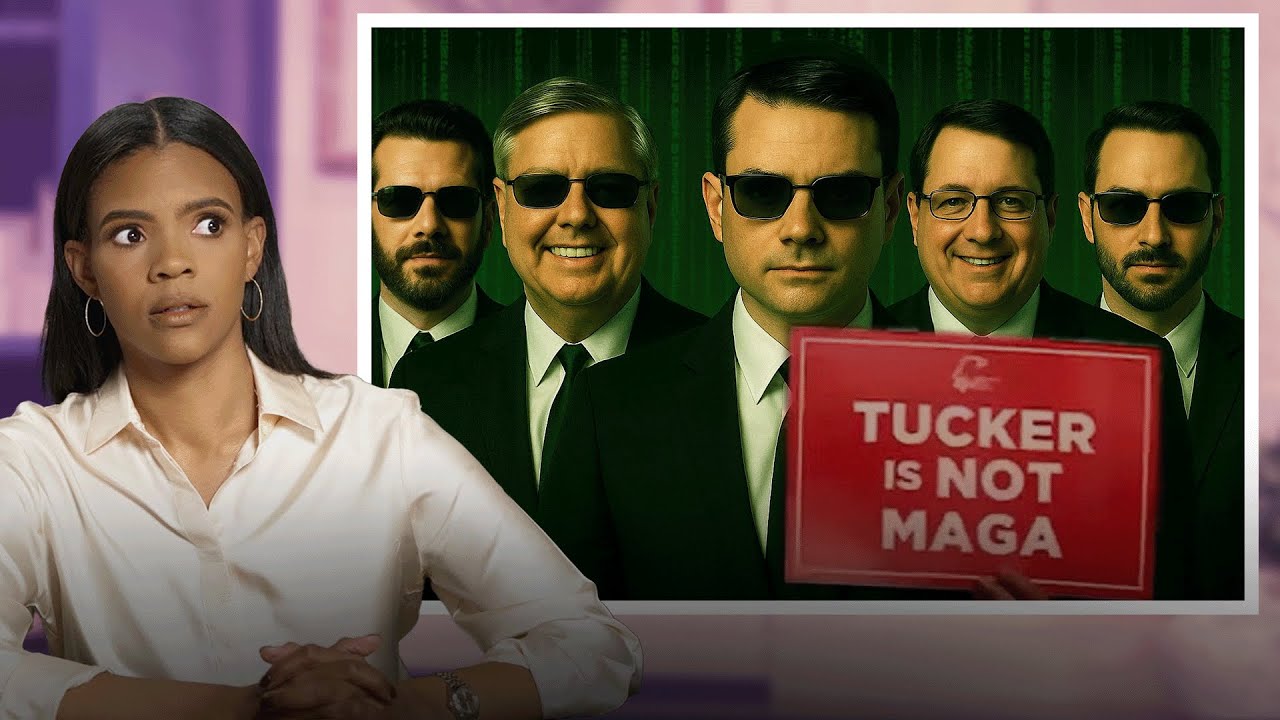
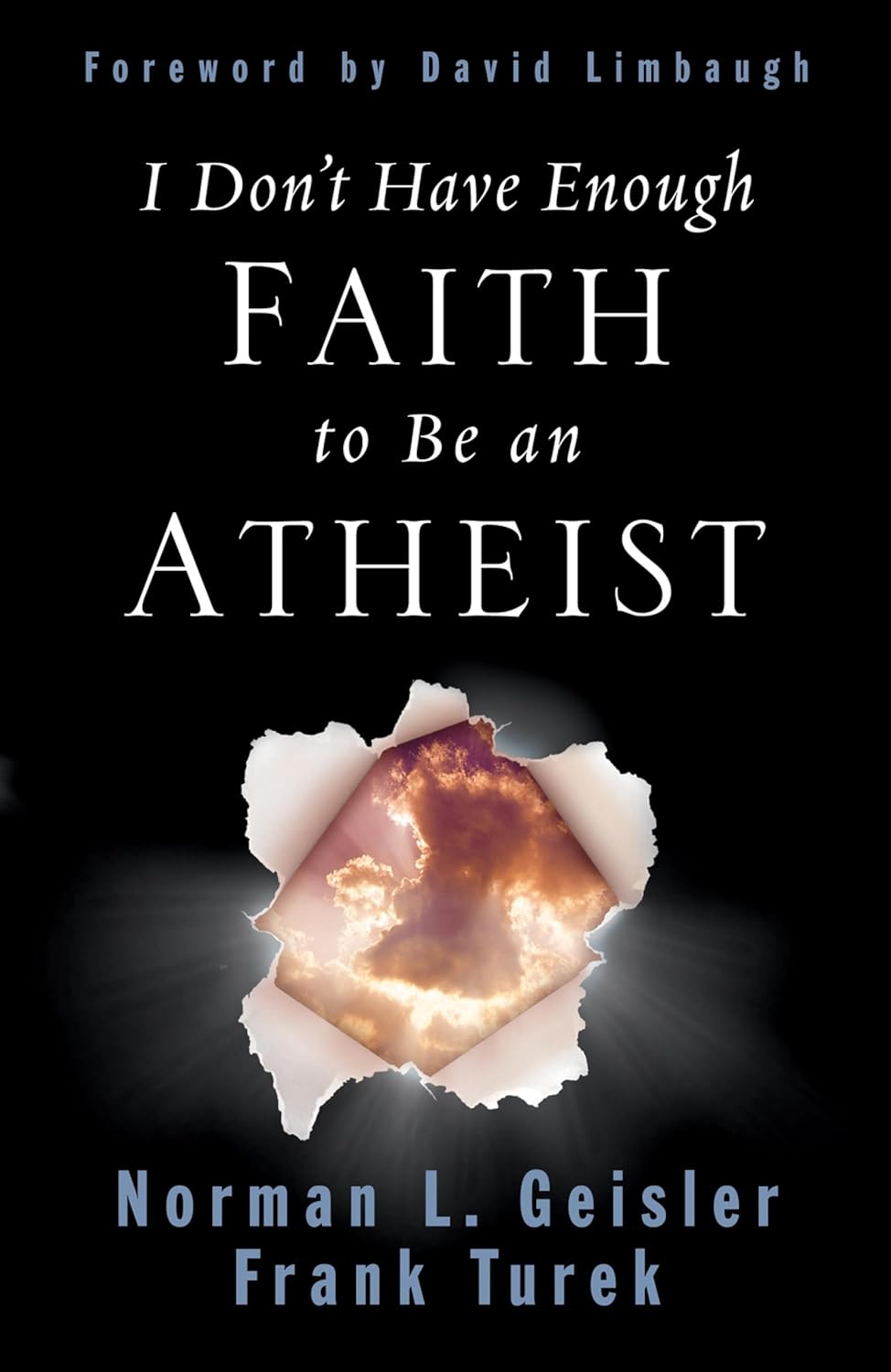
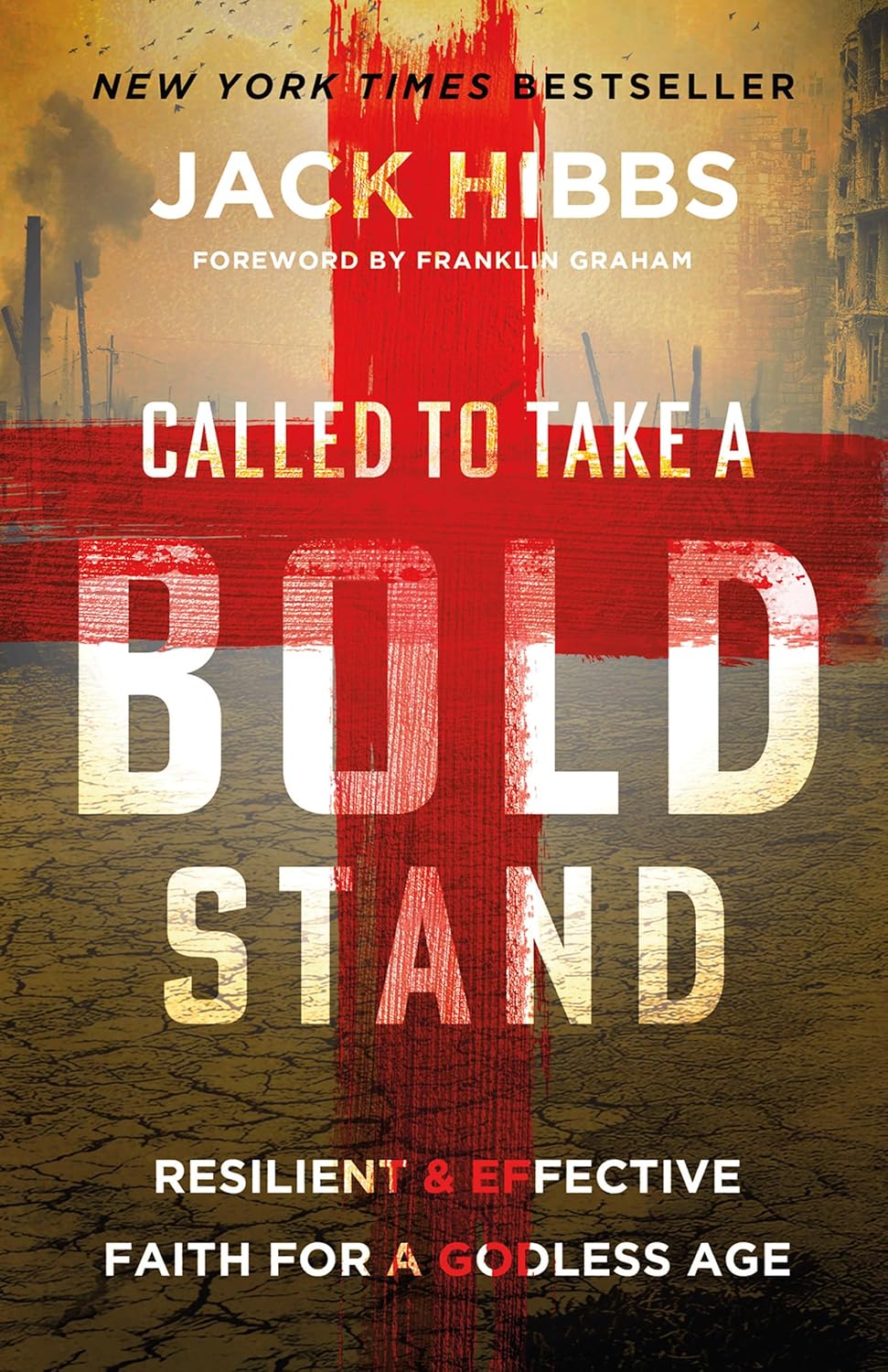
Hey there folks, welcome to the program. I get to talk to some pretty wonderful people on this program. Um, many of them are my friends. Um, some of them are my best friends and uh, one of my best friends in the world is Pastor David Angelhart. He's been on the program before. He's the pastor of King's Church in New York City and they have campuses around the country. Uh David is also on the board of TPUSA. Uh he was a friend of Charlie's as of course uh I was and and I get to talk to him about everything right now. [screaming] >> David, welcome back. Thank you, Eric. Uh pleasure to be on. Pleasure to be your your friend. I was going to say your roomie. Uh cuz I we I stayed at your place this last weekend. >> You're you're you're staying at my apartment as a squatter. I had no idea. People just said there's people in your apartment. Uh no, you're you you've been staying with us here as you're shuttling around. You're doing stuff in uh in in in Dallas uh with your family. You've got three beautiful kids and two ugly kids. You don't mention them. No, you just have three beautiful kids. That's it. And I um listen, we've been friends for some time. We talk about the deep stuff. You were with me by the way uh recently when we were at Mara Lago for the James O'Keefe event where he asked me to come to this event to sing a duet with him. It was a it was a little confusing actually. It was it wasn't my best performance. I mean it was okay. I think we fooled people but it it was just so crazy. James is crazy in the best way. Uh there's so much stuff going on there. But we do life together, you and I. And I want to talk to you about um we're living through some crazy times. For example, um the increasingly unhinged Candace Owens is now. And ladies and gentlemen, I just cannot tell you how dumb this is. There's certain things that are so dumb it's hard to process how dumb she has been saying lately. You know, it's kind of weird. I don't know. Have you noticed that TPUSA used to be all about politics, but now that suddenly they were all about faith and what's going on there? It It's like it's so dumb that I don't know where to go. I mean, yes, Charlie made a decision. I I was there at this time. He came to me and said, "We want to launch something apart from TPUSA related to it called TPUSA f >> Eric. We want you involved. We want to raise up a thousand bonhoppers." He said this to me. I said, "So great, Charlie." >> Yeah. That was in the fall of 2020. That's when you and I actually think it was September, first week of September 2020. That's when we met Eric because Charlie was kicking off TP USA Faith in that division and really strategizing. It wasn't the kickoff that weekend, but he was strategizing uh about it. And I think, believe it or not, I think there's rationale to what Candace is saying because in 2020, Charlie uh he saw the churches being silent and so he started surrounding himself with pastors and people of faith like you and me. And you know, we traveled with Charlie together and had deep light conversations with him about all kinds of issues. But Candace was fa was really phased out almost. I mean, I I from 20 the end of 2020 through today have been to almost all of the large Turning Point USA events and she has had not been to almost any of them. So much so that I know most everybody in the conservative space who of kind of media substance. I've never met her before. What's my point? My point is as this transition happened where Charlie was developing Turning Point Faith, she was transitioning out to do her own show and her own stuff. So she wasn't actually involved. And what happened to Charlie is he was so frustrated that all of these churches were silent on matters of you know core biblical belief like do not reject Hebrews says the assembling together of the saints. That word assembly means the congregational gathering. It's not just having friends that you have coffee with and you're both Christians. It's actually coming together in a congregational setting where there's an ecclesiastical structure. What is that means that there's a a guy that can tell you if you're sinning. There's a guy there's there's some order. there's discipline cuz we need that. We're human beings and we'll reject that. So my point is like she wasn't aware of all of that that was happening and Charlie in 2020 started to have a very profound turn towards God. I I I think I think he had a a candle of faith in his life and then as 2020 happened and then beyond it really grew to a blaze. Uh and he he was deeply deeply deeply committed and you know that he wasn't playing games. He wouldn't pretend to do things. He was a deeply committed believer. And that like how how do I get more of God in my life? Well, start just by being committed. It's saying, "God, enter. Surround yourself with people like pastors like the right voices." Charlie did those things and she wasn't a part of that. And so, I think that's why it doesn't make sense because if you're far off and you see somebody falling in love with God and surrounding himself with the right voices, you it's it's hard to see the internal change. It's hard to see inside and say, "How does a how does a conversion take place?" We've talked about this, Eric, on film. Like, like filming or capturing conversion is one of the hardest things to do because it's an internal reality. >> Hey there, folks. As hard as it may be for us to [music] believe, especially if we're in America, there are people in other parts of the world who have literally been enslaved [music] because of their faith in Jesus Christ. Some of them for decades. Hundreds [music] of thousands of them have been persecuted and enslaved in the Sudan. Together, right now, we can literally buy their [music] freedom and save the lives of some precious brothers and sisters. Give them the joy and hope we [music] celebrate so freely. For only $250, you can provide life-saving aid this [music] Christmas. You can buy a believer's freedom and provide them with muchneeded food, a [music] goat, and other necessary goods for their survival. brothers and sisters enslaved and [music] fearing for their lives. Just $250. Maybe you can give more. Maybe you can just give a portion [music] of that. Every gift helps. Imagine buying the freedom of a fellow Christian believer. You can do it. Call 888-2533522. [music] 8882533522. Christian Solidarity International provides life-saving resources [music] for persecuted Christians for almost 40 years. 888253522. or go to ericmataxis.com [music] and click on the banner. You'll see it. Ericmataxis.com. Click on the banner. Please give someone the gift of getting their [music] life back. Provide life and freedom for someone right now. God bless you. Well, a couple of things that we're talking about here. First of all, um Charlie was so committed to this that when I wrote my book, Letter to the American Church, we partnered with TPUSA to co-produce it. And Charlie is a major figure in the film, The Letter to the American Church. Um, and there was a moment and and you it started in 2020 with the COVID lockdown and the stolen election and it there were people in the church very confused about this. And Charlie and I and obviously you because you're one of those pastors, but we allied ourselves with pastors that are awake that we're awake to this reality that we don't shut down our churches. We don't do what we're told. We don't get vaccines because you tell us to. We are independent thinkers. We're free people in a free society. >> Yes. >> And we're going to speak our minds. And that suddenly became very very very important in a way that it never was in any of our lives in America before. And so the reason I I I get so upset at some of the stuff that Candace Owens is saying is because it's so ignorant. I mean, if she would ask people, she she makes it sound nefarious. Now, imagine, folks, imagine. She makes it sound like getting involved in faith. That's kind of I don't know. You think what what don't you know? That's a good thing. And so she is now >> demonizing Calvary Chapel, all of these wonderful pastors. Jack Hibbs, Rob McCoy, I can go down the line. They're Calvary Chapel guys. Now, I don't know every single Calvary Chapel pastor, but generally speaking, these are good guys. She's acting like there's something suspicious there. It's so insane that I I cannot comprehend it. She has uh mentioned our friend Rob McCoy. She's mentioned our friend Jack Hibbs. She she make it sound like uh Frank Turk, one of the greatest apologists of our time and and a good friend of Charlie's that he might have been involved and he was m it's so hideous that I I've never been so close to something like this. So, if you're not close to it, you can easily get fooled. You're like, "Yeah, I mean, she's making some good points." But if you actually know the people involved, you think, "This is this is madness." I mean, if you want to talk about what was Crooks doing on the roof, is there a backstory or what was the other guy doing who shot Charlie? What's the is there something else going on? Okay, that's legitimate. >> But when you start >> casting doubt on people that I know personally like they were somehow nefariously involved, >> that that's crazy. Ladies and gentlemen, I'm here to tell you I know the people she's talking about. It's absolute lunacy. I I'm just >> I have to say that. >> Yep. Yeah. There's a there's a professor at Regent University who's uh the criminal uh criminal defense attorney attorney. He he had a whole career in New York City um defending criminals or or alleged criminals. And he said, you know, the rates, and this happens when you're in an unrighteous society, he said, the rates of of people getting sent to jail for things that they didn't know, uh, is incredibly high. And you have a you have a a prosecutor that works for the government, and they only climb the ladder. They only go up the the ranks if they get a lot of prosecutions, number of prosecutions, severity of prosecution. And so their their incentive is to put people anyone whoever may potentially fit the bill. It doesn't matter if they if there's a DNA evidence. And so he's so he has a very famous he's a Christian guy. He has a very famous um video that says don't talk to the cops because specifically of his experience. Uh I I recently took the Texas bar program for my light my law license transferring from New York to Texas. And when you go through the criminal laws part, it says a prosecutor has a duty to the facts uh not to prosecution. And it says that because it recognizes the incentives for prosecute prosecutors to say, "I don't care about the facts. I care about my career moving forward. I care about uh you know making any situation, shoehorning it into my theory so I can grow my wealth and my position. And that happens inside the criminal justice system in a wicked society. People abregate the law which is hey prosecutor you have this really scary power that you can fit a lot of different people that weren't actually involved into this crime but don't do that. You're not supposed to do that. And the the Regent University professor said they do it anyway, so you got to be really careful. Well, what is that? What am I saying? I'm saying uh you know, a person like a Candace, they're incentivized to put any kind of obscure story into what looks like a prosectoral matrix and say, "Well, we got another we got another hit here," or there's a spy on the grassy null, whatever the situation is. Oh, there's a Ron McCoy, there's a Mikey McCoy, there's a you know who is Char Frank Turk was there. And so you take all these people rather than pursuing truth. You're taking individuals and you're marring their character. You're maligning them and not in a back room with a team of specialists. You're publicizing it to the world. Uh and it's I think it's very harmful. I think it's very rep reminiscent of what Paul says in Acts chapter 20. And he says,"I know that after my departure, fierce wolves will come in among you, not sparing the flock, and even from your own midst, some will rise up." And so, what's that a picture of, Eric? That's a picture of like after a departure of a primary leader. It's not Paul's not just, you know, it's it's the it's the word of God inspired by the spirit of God. It's not just this. Hey, just this one time in Acts 20. No, no, no, no. Every time when you have a giant leadership gap or a void, you have wolves that will come in from the outside to try to consume the flock. And then you have people come in from the inside that get stupid and greedy. And uh what wolves when they attack a flock, they do two things. They divide and then they consume. So they want to separate people from the body and then they want to consume. And so division consumption is the primary mark of hell. uh sacrifice and multiplication are the primary marks of heaven right so when we see somebody acting primarily in division and then that division feeds their whole look at I'm getting I have another million followers you know division and consumption that's a mark of help sacrifice which is even even in the sense of like I'm going to be silent until the facts come out by the legal team I'm not going to say anything about this because I need to I need to wait and be patient because I can't see everything. I don't have all the information yet. I'm not going to make insane allegations about my, you know, they're my friends obviously. And so I see that very clearly that, you know, the apple, a piece of fruit is a carrier of seed. And if it's eaten completely, there's no more life you let. But if it's sewn, then it can multiply. And there's a there's there's a very clear picture of a mark of heaven, which is like the wolves that eat the sheep. and excuse me, like hell, wolves eat the sheep and a mark of heaven that will be patient and wait and sacrifice. Why are why isn't TPSA answering? Why don't they respond to all these things? You know, Jesus was before the Sanhedrin uh and he was about to die. And it says, "And he opened not his mouth." And and you know, if you're one of his disciples kind of like in the balcony like why why aren't you responding? You have all the right answers. You could tie these people up in knots. And Jesus chose to be silent because he didn't want to punch the tar baby and and get into the well I there's a lot of reasons but uh you know if Christ chose to be silent go >> no you you you should think about becoming a pastor because that's very good teaching >> David Anglehart that's really beautiful what you just said I mean I noticed um I had this experience at Mora Lago recently where the president pops into the wedding that I was attending and and I was right there and he points to me in his teasing, joking way. He goes he goes he's the guy that's gonna get me into heaven. I'm not quite sure what he meant by it or why he said it or whatever, but the reason I'm bringing it up is that I my internet blew the internet blew up on this and my my followers on X my everything like it got millions and millions of views. Why am I bringing this up? I noticed on my Instagram I was not increasing followers. It was very weird and it has been weird. I've been checking I was like this is so weird because on X I'm getting a ton of followers and somebody said to me, oh it's because you took a stand against uh Candace Owens or a stand against Tucker that and I thought to myself, good, good. In other words, I want to sacrifice for God's purposes. I I don't want to say, "Well, I better shut up about that because I'll lose followers." No, no. I I want the followers that God what God is in charge of my social media. But I thought to myself, there are people who they don't think like that. They just think like, what do I need to do to get followers? I mean, you're talking about I'm just reiterating it. I had that experience recently where I guess people would think, well, you're going to get more followers if you keep your mouth shut. Let it ride. let people think that, you know, yeah, maybe it is the Jews. And I think I cannot live with myself. I have to speak the truth because there are people being deceived. I feel responsibility toward young people. And in fact, you know, when you mentioned Candace, two friends of mine, have been sucked into this. So, this is amazing to me that there are people that I know, wonderful people that are sucked in uh to the Candace stuff. And one of them said something about, "Yeah, but did you notice this with Erica?" blah blah blah blah. I thought, "Is the world going insane? This woman's husband was just murdered." And you are are are wondering if she There's something off. And that's sick. And I will call that out. I will call that out. That's sick, folks. >> Yeah. There was a there was an article um in a very famous very leftist magazine uh insinuating that Erica is a transgender essentially um which is like you know Erica is an alien from Mars or just it's like you know it's to to respond to respond validates the insanity of the question and we live in a a constant media kind of vacuum. It's like a black hole. It's like the grave that's never filled, you know. And so, Proverbs 26 says, it says, "If you answer a fool, and there's two different proverbs, but one of them says, "Answer a fool in his folly, and the fool will become wise in his own eyes." And so, even a fool asking the dumbest, most ridiculous, outlandish statements, if you engage that person, they feel justified like, "Oh, I'm really getting people to think. Oh, I'm really giving people to be critical reasoners. And it's like, no, you're not. Critical reasoning takes facts and the establishment of facts. And then once you have those facts established, then you could apply logic to it. Logic is very, very important. Uh, you know, John chapter one in the beginning was the word that word logos that that's where we get logic from. I think Dr. Larry Arn says that word logic logos word is the same as thought. It's it's actually word is the same as thought. So, it's that logical pro progression of ideas and how we can stack those ideas up. If you don't have the facts, it's not worth it to even touch it. So, I had a buddy from Queens, uh Eric, you preached at his church, uh Citylight Church out in Queens, uh Boon, and uh he was he called me during the George Floyd thing. He's like, "Man, those are racist cops, huh?" And I just said to him, I said, I I don't know anything yet because I haven't seen the facts yet. And so I have to wait till the facts all come out and then I can apply what I know about the law to the facts at hand. And actually, it it it was his he's described it as his red pill moment that he wasn't just caught up in the spirit of the age and could step away and say, "No, let's slow down. Let's use careful, cautious reasoning to think this thing through and analyze whether these facts are legitimate. >> During the horrors [music] of the Holocaust, Corey Tenboom and her Dutch family, as told in her classic book, [music] The Hiding Place, risked everything to shelter Jewish neighbors in their home. They were betrayed and sent to concentration camps. Yet, Corey survived [music] and went on to preach forgiveness and hope around the world. That same redemptive spirit lives [music] on in 10boom coffee. Working with Agro Cafe, an Israeli ag company, 10boom coffee helps farmers around the world increase [music] their harvests by 60%, improving both the quality of their beans and the quality of their lives. [music] So every cup you pour becomes part of a legacy, one that stands for courage, kindness, [music] and redemption. Visit tenboomc.com. That's tenboomc coffee.com. Taste the goodness that changes [music] lives. Use the code Eric and save 10%. 10 tenboomc coffee.com. Use the code Eric. Well, listen. I I have to say along those lines, the reason this situation right now is so disturbing is that Candace Owens has been on the right side of a lot of stuff. She spoke boldly against the George Floyd narrative. God bless her for that. So that's why it's much more disturbing to me now that she's saying the stuff that she's saying because, you know, I if if it's some idiot on MSNBC or the New York Times, it's like, well, what do you expect? But from people that have gotten stuff right, you you just want them to get it right all the time. And so what's going on right now? And of course, I'm not saying that nothing she's saying is right. That's what's so diabolical is that there may be pieces of it that are true, but then she's saying other things that are just wild, crazy, wrong. Um, and the same goes for Tucker. It's completely bizarre. I mean, here you have a guy who uh I I've admired who's now saying some things that are just so confusing. And it really I mean, I think we we need to to say, David, that this is spiritual warfare, ladies and gentlemen. You are seeing an outpouring of the Holy Spirit in America that people have prayed for for decades. And because of that, because of the outpouring of faith at Charlie's memorial service, there are demonic powers that are really angry. And we have to be clear, this is spiritual warfare. So, in many ways, this is a good sign. It it shows that, you know, when the Holy Spirit comes in, the demons don't like it. And so, the Holy Spirit has come in and the demons are manifesting. There's ugly stuff going on. Uh and that's part of what what we have to understand. A big part of what we have to understand about what is happening right now. >> Yeah, I think that's exactly right. And we may have talked about this yesterday, but um or two days ago when I was with you is go there's a move of God happening and the enemy is doing everything he can to try to get people off of the move of God. Like imagine you had a a radio show with 10 million followers and there were people getting saved by the droves, coming to Christ by the droves. Wouldn't it be amazing to, you know, to promote salvation, to promote what God was doing as opposed to, you know, conspiracy theory after conspiracy theory after conspiracy theory. And that's where I think, you know, uh, by their fruit that you shall know them. And and so what is what is the fruit? is a promotion of the kingdom of heaven or is it is it you know slop and so uh you know Proverbs 18:2 says that a fool uh does not delight in truth but only in airing their own opinion that's certainly the case and so you know Lord help us promote the move of God that's happening right now with young people with Gen Z with massive crowds yes last night at George Washington University uh in DC with RFK a with the lifting up of truth in our day and age and and help us not get distracted, Lord, by um you know, the the crazy carnivals that that want to draw our attention away from what God's doing. >> Well, that's that's the issue. That really is the issue because before this lunacy um you know it was such a wonderful moment uh because first of all the the the murder of Charlie was so horrible but then to see this outpouring of faith it was so beautiful and I thought oh my goodness uh look what God is doing out of this horrible horrible horrible tragedy. We're seeing tremendous faith and tremendous I mean I heard Jesse Waters talking about faith in a way that he never has before. I guess he was when he was talking to Erica. Uh something is going on. People have been moved. Elon Musk has been moved. Others have been moved. Tulsi Gabbard is quoting Corinthians from the stage uh at his memorial. So, how awful that, you know, hard on the heels of that, um, you you have a lot of ugly stuff. I have to say I still cannot for the life of me understand how Tucker Carlson would give a platform to someone who was a dedicated, bitter enemy of Charlie Kirk. I find that to be like a betrayal, uh, if not a betrayal. >> Yeah, I know. I I know when I first met Charlie, um the the Gropers is the name of the Fuentes community. Uh the Gropers would would come and uh you know, they would they would say things. I think Jordan Peterson talks about this like the the jester, the clown would have a sting of truth inside of the clown show. And so the gropers would would be vulgar and horrible and then every once in a while they would say something true that was like, okay, you you make a valid point there. Charlie never platformed any of the that ilk. He never, you know, he wouldn't even say point his name. Um, and so I've had many conversations and the idea was was that there's power in platforming people and there's power in association. So, it's like, should I have a can I have a conversation with anyone? Uh, I I actually think the answer is no. You can't have a conversation with anyone. It's like, would you allow your child to have a conversation with a psychopath, narcissistic pedophile? No, because they're not prepared or equipped to have that conversation. And they can be persuaded into a boatload of of of hellish ideas. It's the same way reason I wouldn't ever send my kids to college without them being rightly um educated which my boys are at 14 and 16 and understanding worldview and not being persuaded by the disastrous ideas of our time. In the same way you don't uh platform or promote somebody with disastrous ideas without actually pushing back on those disastrous ideas. And I think there's value in the American system of freedom of political speech. I think there's value there. U but I also think if you're not pushing back then it can it can feel like tacid descent to a lot of people. And I had I was hanging out with Tucker at the White House a few weeks ago for 15 minutes and I had a great chat with him. He's a very sweetheart of a guy. Um, you know, I don't I I I I sometimes, Eric, I wish we wrote more and and talk less so we can write so we can write out some of these positions and why they're dangerous. And when you write things, you have to slow down and you have to put them on paper and you have to, you know, you have to process them at a different speed. And it's like technology is about speed. And so the rate at which some of this kind of gets through and lots of my friends become >> truly anti-Semitic. I have truly anti-Semitic friends right now because of the spirit of the age that's that exists. >> No, it is so it is so it's just insane. Um David, we're gonna have to leave it there. I want people to find you kingsurch New York folks. Uh you can go to kingschurch.io and I recommend that you do. kingschurch.io. David Anglehart, my friend. Thank you. >> Thanks Eric. Blessings to be on. >> Folks, listen. If you've been injured in an accident or someone you love has been, this is something you really need to hear. I've been talking with the team over at Legal Help Center and they're absolutely committed to helping people just like you understand your rights and figure out what your case may truly be worth. And here's what sets them apart. When you choose Legal Help [music] Center, you're getting a free consultation, no upfront costs whatsoever, agents available 24/7, a connection with a qualified local attorney, and clear guidance so you actually understand your rights. In other words, they make the entire process simple, professional, and genuinely helpful. So, here's what to do. Call 800-575-912. That's 800575-912 or go to legalhelpcenter.com. [music] Find out how much money you may qualify for. Don't wait. Don't try to go it alone. Certainly don't attempt to become your own lawyer. Let the professionals at legal help center handle this for you. Legalhelp center helping you know your rights and what your case is really [music] worth. Hey there folks, welcome to the taxes show. As you know on the taxes show, Eric Taxes has guests. Typically he has guests. And for example, today my guest is Dr. Jerson Moreno Riano who I think of as uh Jerson who is the president of Cornerstone University in Grand Rapids, Michigan. He has given me the privilege of being a distinguished presidential fellow at Cornerstone and I bring him on right now. Uh Jerome, welcome >> Eric. Thank you so much. It's great to see you again. Thank you, Eric. Well, it's always good to see you because we get to talk about education. So, so let's see. I mean, uh you uh you have you been in education your entire professional life? I mean, as I just mentioned that you're the president of Cornerstone University, but have you been in that world uh for most of your professional life? >> I have. I started as a faculty in 1999 and uh I have never looked back. So, since 1999, I've been in higher education. >> Okay. because I want to talk to you about I mean I think the subtext of all conversations uh regarding higher education is that most higher education including most quote unquote Christian higher education has drifted dramatically left lurched swerved leapt dramatically left um and some of the worst uh is in Colorado uh a professor ameritus uh in Colorado recently called TPUSA supporters Nazis uh and and very I think uh maturely flipped off the camera because I really believe that's what uh all the greats Mark Twain uh President Washington Lincoln that's how they that's how they express themselves. Um, so, so it had to do, I guess, with the recent change of sex at gender curriculum in Michigan. I'm not even sure what if that was related, but I guess my the point I want to make is that Charlie Kirk was a friend of mine. I have nothing bad to say about Charlie. It's like it's not like he ever said anything that I would say, "Oh, but I disagree with this." nothing that he ever said publicly uh I I would even comment on except to say amen and amen. I mean he was a wonderful voice for truth and we have a lot of confused people Katie Kurrick uh among them who seem to think that Charlie said terrible things ladies and gentlemen he did not. So this is the challenge right now uh in our culture is that people assert things that are simply not true. And it's it is challenging because you don't want to think that people are just doing that constantly, but you it it's you really have to be on your guard. So Katie Kirk asserted some things recently. I don't know who she was talking to, but implying like, yes, it's so troubling what Charlie Kirk has said. And then I always want to say, hey, Katie, can you tell me what he said? >> Because I guarantee you he didn't say anything wrong. You have it in your mind just like you have it in your mind that, you know, Donald Trump is a Nazi. So everybody disagrees with you has to be a Nazi and TPUSA of course the organization that Charlie founded is a wonderful organization. So how extraordinary that this immature uh academic in Colorado would would call its supporters Nazis. I mean we're living in a moment uh your son that is just difficult I think for people to process the level of crazy. >> Eric thank you. You know, I mean, Nazi has become an an overused term now. You know, anything that people don't like, it's Nazi, right? Or fascist. And they throw that around everywhere. So, it's lost its meaning in many ways. Uh, as we know, historically to reserve for this a group of people who are terribly evil, who did terribly evil things, had no moral compass, no moral direction, were just wicked at heart and wicked in character and wicked in all that they did. It's terrifying, terrible. That's the essence of that whole determine what it was used for and means. Now we take that same thing right these are individuals who killed 6 million over 6 million people Jews exterminated them it was vile and now we we take that term when we apply to anyone who says something we don't like number one or who advances moral goodness and moral beauty and truth and absolutes and absolute standards all of a sudden if anyone does that or an institution does that or a group of people do that they're Nazis Well, it's foolish. It's tom foolery and it's being misused and no one's really calling it out. You have Kate Kurig. You have that professor. You have many in the media now who say you're a Nazi. You're a fascist. Why? Well, because you believe in two parent family or you believe in two sexes and genders, biological ones, or you believe there's such a thing as goodness and beauty and truth, then you must be a fashionist, you must be a Nazi. It started to become the the f word, if I can put it upward there, into these conversations. And it's a way to then make people a pariah and cloud over the value and the truth of what they're saying. So rather than hearing what they're saying, we just say they're a Nazi. And then immediately that should carry so much weight that no one listens to them. Everyone turns them off and god forbid someone will actually try to kill them and hurt them, which is what's been happening. And so you see that out in Colorado, you see it out here in West Michigan, you see it throughout the country. And I think we have to call it out to say look that's this is what the term actually means. This is not what people are doing number one and holding moral standards of goodness and beauty is something that our law our our rule of law is founded on. It's not something new. We we the law is full of examples of calling certain things evil and prosecutions and jail sentences and all that. Why? Because there's evil in the world. But again it's become a tool of some on the left to condemn. and academia. Now, obviously, universities often times or individuals within many universities are using it as a way to shut down true academic freedom and freedom of discussion and a marketplace of ideas either within faculty or within students because we just don't want or they don't want certain ideas to even have the light of day. So, it's not education. It's really indoctrination and is being done in a manipulative kind of a way. Well, part of what's going on, and again, there's no there's almost no way to overstate this because it's is we're we're living at a dramatic moment in history. And and I think that if you're young, you cannot understand that because you have no context. But any of us uh who who've been around for a little while recognize what a bizarre moment this is. Uh it wasn't always like this, folks. Uh we've always had evil in the world, but but things have happened. There's there's been a uh a kind of a vulgarization of the cultural conversation. And part of what I find fascinating, Jon, is the assurance that people have when they're saying things that aren't true. In other words, as human beings, that's how we perceive if is something true or not. The the way the how someone says it is part of the message. So you have all of these figures convinced that something is true. So they say it viferously strongly, it's still not true, but they're so convinced that it's true that it convinces many people who aren't so educated. And so when you have somebody like Katie Kirk clearly implying that Charlie Kirk was troubling, like she's she's being polite by putting it that way, but the clear implication um is he was a bad person. He said bad things. So yes, he was murdered. Uh and so we don't want to be uh rude, but he clearly said some terrible things. And I want to assert ladies and gentlemen, no he didn't. Right. >> So just because Katie Koric or uh who whoever else is convinced that yes, but he said so. No, no, he did not. And TP Tpoa is is a tremendous organization, tremendous force for good. And so for anybody to uh imply that they're behind some dark agenda, that is itself a dark agenda. And then for anybody like this Colorado uh professor ameritus not to imply it but to state it explicitly um that these people are Nazis or fascists or or against democracy or whatever. I we have to push back. We have to push back. Um, and you know what you just said about the term Nazi, it's it's it is like an F-word. It's just I it's thrown out there. And now I think we we want to recognize that when somebody uses that word, just like when they use the f-word, what they're really revealing is they have nothing. >> They have nothing. I mean, it's as close as they can come to physical violence without being physically violent because they don't have an argument. They don't have a fact. Uh, or maybe we're in a realm where people don't care about facts, so we're just, you know, taking swings at each other verbally. That's kind of what it boils down to for me. But I I just I want to say again, uh, one of the greatest things that's been happening in America in the last number of years is TPUSA chapters exploding across campuses in America. This is one of the most wonderful things and everybody should encourage it. If you have a kid in college, encourage them to start a TPUSA chapter. Encourage them to get involved. Uh there is, you know, not only nothing nefarious on the contrary, not to be involved in something like this. You will get sucked into all kinds of nefarious, confusing stuff if you're on a college campus today typically, except for a handful of places like Cornerstone in Grand Rapids. But that's just um a fact. I I guess I want to talk to you just on also about um the Michigan Board of Education has adopted some controversial sexed guidelines and Linda McMahon who is the secretary of education uh I think has written an op-ed about it. What can we talk about uh what can we say about that? >> Yeah, it's just a shocking development. Um you know I've read some of the guidelines. I read what the the state had talked about and the the notion somehow that they I think the most important part was that the actual conversation between a state legislator and a member of the Michigan Board of Education uh and and this individual's uh unwillingness to answer the question about how many gendered really are there right >> and unwilling to say no there are two and rather well there are many and it all depends on your sense of perception it just it just demonstrates a corruption in our country and and and and our leadership throughout the country that they ignore not just a moral compass by biology as well and are opening the door to this destructive moral relativism focused on individualism, right? Individualism gone wild and the inability of leaders to say no, this is not good for our society, not good for our homes, our families, our kids, our education. instead let's open it up to whatever it is that people want to say is true. You cannot have a society an order society educational establishment that way. So when Eric Nasset, you know, one of our leaders here in the state talks about no wonder why Michigan education is so low on outcomes when you have leaders of the department saying this. But Eric, it goes to a deep deep problem I think in in the educational system, not just K12 but but uh colleges. The inability of educators or the unwillingness or the rebellion against moral standards of what is true, beautiful and good about the human person about a beautiful view of the human person about a classic Christian anthropology of being made in God's image and what that means a male as a female. It's really I call a metaphysical rebellion against that. We hate that. We don't want that. So instead, we're going to open the floodgates to whatever it is that people feel or believe is true and build a society that way. And that's just civilizational collapse waiting to happen. That to me is what's so sad about Michigan. You see in so many other universities, I've talked a lot about it here at Cornerstone, the importance of having a general education core that speaks about what is truly true, beautiful, and good founded on a Christian world view. So many universities, even Christian ones, avoid a strong general education curriculum to talk about these fundamental enduring questions and enduring answers from a Christian worldview. And I think this is one of the reasons why for decades now we're losing this conversation because even Christians are not willing to advance a beautiful Christian worldview about the human person. We just don't. Instead, we talk about human centeredness and the human experience. These are nice things. But the Christian worldview has something very definite to say about Christian anthropology, about male and female, by gender. And we are voided and now we're being sucked into the the gray darkness of inclusiveness. And that's a denigration of what is true. It's going to hurt our society and it's hurting and now it's deep and profound ways. >> I want to say uh you know because I'm a writer and I was an English major, I care about words. Um, even when people say how many genders are there, I want to say h excuse me, when did we start using the word gender? What's gender? You mean how many sexes are there? Oh, >> there are two, male and female. Next question. >> But you'll notice that people start using they just kind of weave it in like suddenly we're all talking about gender. And I think why are we using the word gender? who decided gender was the appropriate word, who made that decision. Um, but that's fascinating to me, the way language changes. And when language changes, it's not always a bad thing. But beware, folks, because it can be a bad thing. People introduce ideas and then suddenly everybody's going along with the idea. And you think, well, when did this idea uh find purchase in the culture so that suddenly everybody is saying how many genders? like like it's more polite to say gender than it is to say sex. You mean male and female? It's like on the form sex, male, female. At some point, somebody decided, let's confuse the issue slowly. So, we'll bring in the idea of gender. So, gender maybe it's not so clear that it's binary. So, we can introduce other ideas. And of course what that is and you've been talking about it is this fundamental idea that there is no such thing as objective truth. >> The moment you introduce that idea there's no such thing as objective truth. Everything is subjective which means there is no actual truth. People use stupid sloppy terms like my truth meaningless. Uh but that's part of the erosion of culture. That's part of the erosion of civilization. And that is really part of um bringing us into intellectual bondage. We we are no longer free. We're no longer to think clearly and agree on things. We begin uh to devolve uh into whatever people are telling us we're supposed to say and think. Uh and and that's That's that's part of it. Uh I think we just have a moment left. Jon, any final thoughts on what we're talking about? >> Yeah, Eric, you mentioned this is really important. You know, in when Theidities, the great historian from Greece, wrote history of Polynesian wars. He said that before the actual revolution war broke out, there was actually a revolution in words and in language. And as a pastor, he is writes that words ceased to mean what they used to mean. A long time ago, words began to change meaning and no one really knew what was happening because words just didn't mean the same thing anymore. And then the war breaks out, right? I think that's what's happening here. The words have changed meaning for decades. And I think we're at the cusp now of a significant moral revolution and the outcome will determine the future of our country. Thus the importance of having conviction and speaking boldly and courageously about what is true, beautiful and good so we don't see ground as moral revolution. That's so critical for Christians and those who care about the church and about Christianity, about the country to do. >> Jon, thank you for being my guest. Folks, check out Cornerstone University. Uh they're doing great work there. I was just there recently and I'll be back there uh in February. Jon, thank you. >> Eric, thank you so much. Thank you for all you do, Eric. Thank you. >> This Christmas, as we celebrate [music] the super centennial coming up, Super Centennial 250th, there's no way uh better way to support it than by supporting my friend [music] and American hero, Mike Lindell. Uh he's one of the main sponsors uh on this program. He's the man behind My Pillow. He put his money where his mouth is. Some of you know this if [music] you've watched the program. He stood up for the country. He was unfairly cancelled by the big box stores. So, I [music] want us to stand with him. So, please go to mypillow.com, use the [music] promo code Eric to save big on pillows, sheets, slippers, everything you need for Christmas comfort. You'll sleep great, save big. Celebrate freedom with Myillow. Pillow.com. [music] Use the code Eric.