Senator Josh Hawley Explains Why Modern Men Are Lost and How to Reclaim Purpose
Enjoying this? Share it with someone who needs to see it.
Up Next
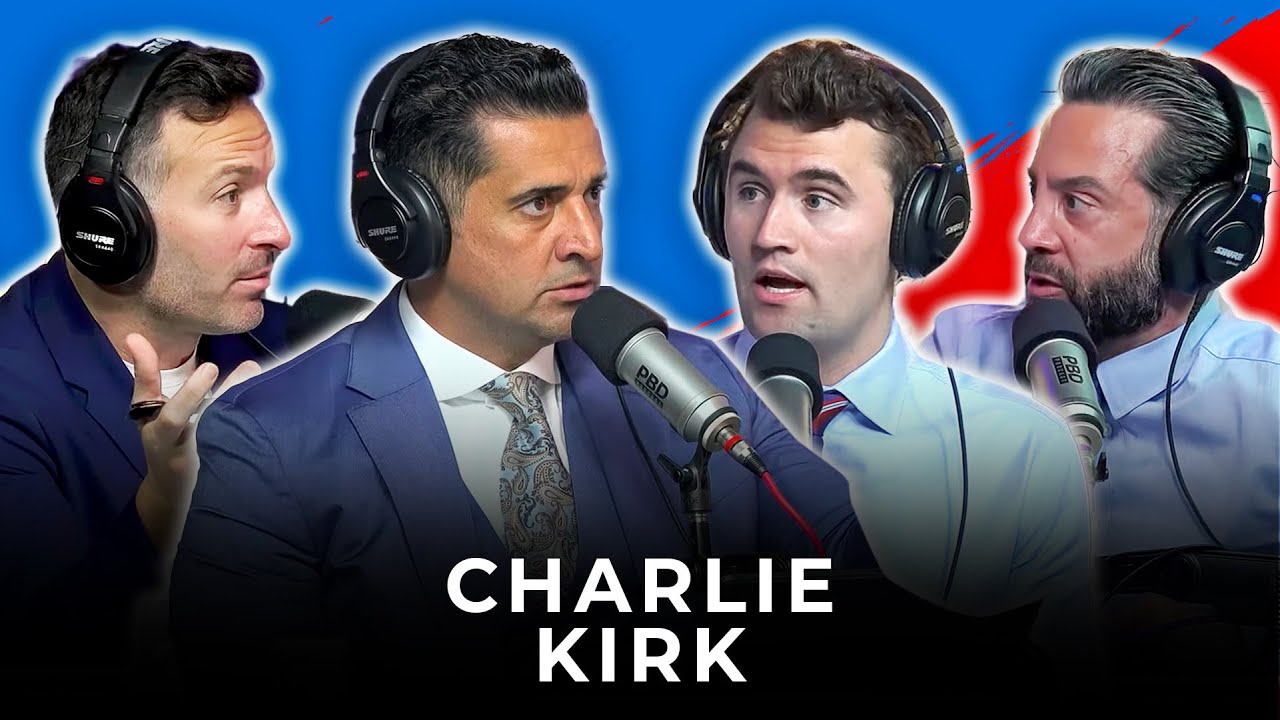
Charlie Kirk Reveals Why Ron DeSantis Is Failing Trump in the 2024 GOP Primary Race
2:06:40
Megyn Kelly and Rudy Giuliani Expose Fox News Ban on Charlie Kirk and America First Conservatives
5:50
Charlie Kirk Defends Conservative Campus Activism and Challenges Britain to Reclaim Western Values in Oxford Debate
21:45
Senator Josh Hawley Explains Why Modern Men Are Lost and How to Reclaim Purpose
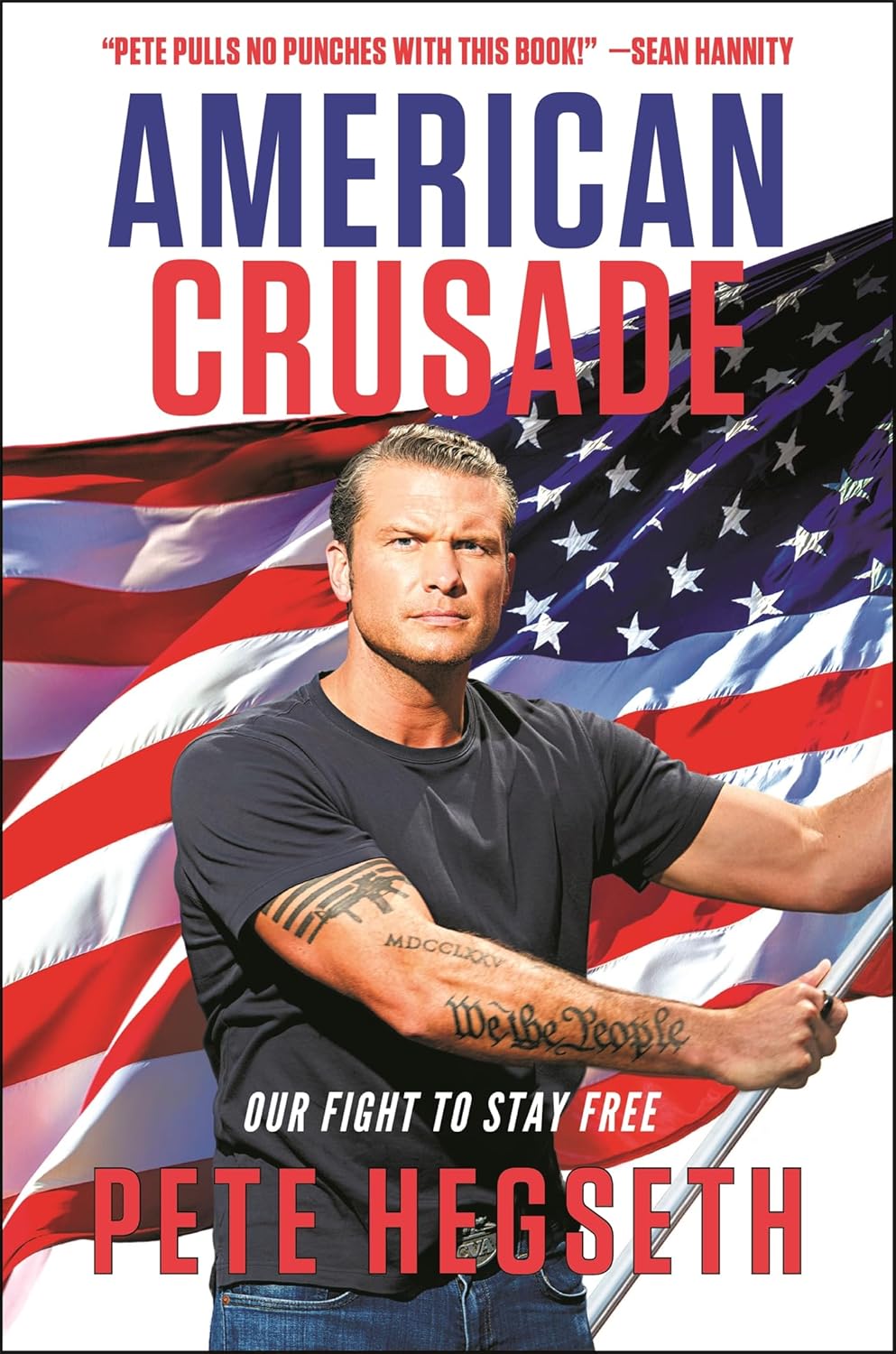
Senator Josh Hawley sits down to discuss his book on manhood, examining why generations of young men find themselves stuck in neutral, trapped in basements and screens, deprived of purpose and vision. As a father of three, including two boys, Hawley challenges the cultural messaging that masculinity is toxic and argues that the left's promotion of self-indulgence over self-sacrifice has left men adrift. Drawing from biblical stories and American history, he presents six foundational roles, husband, father, warrior, builder, priest, and king, that every man should embrace, regardless of life stage.
Senator Josh Hawley wrote his book on manhood not as a political statement, but as a father thinking about his two sons and his responsibility to help them become the men they're capable of being. He believes men of all ages, particularly young men, desperately need role models and a vision for their lives—a message that seems absent in contemporary culture.
The statistics paint a troubling picture: rising depression, suicide rates, and an epidemic of listlessness among young men. Hawley attributes this crisis partly to decades of messaging from the left telling men they are toxic, that masculinity itself makes the world worse, and that men are the root cause of everything from climate change to systemic racism. This constant barrage leaves young men disoriented, stuck in neutral in their parents' basements, consuming endless screen time instead of pursuing meaningful lives.
The Problem With Pursuing Happiness
The cultural rot goes deeper than politics, according to Hawley. At its core is a philosophical problem rooted in the teachings of Epicurus, the ancient Greek philosopher who essentially argued that pleasure is god and self-fulfillment is the highest aim. This philosophy, Hawley argues, has become the dominant ideology of modern progressivism—everything centered on self-care, self-help, self-love, and self-identity.
But this relentless pursuit of happiness and pleasure leads nowhere. Drawing from biblical wisdom and American history, Hawley makes the case that true meaning and purpose come not from self-indulgence but from self-sacrifice. The highest form of fulfillment is found in giving yourself away to others, in taking on responsibility, in building something larger than yourself.
This distinction is critical when understanding American individualism versus modern narcissism. The Founders, from the Pilgrims through figures like George Washington, championed strong, independent individuals—but individuals capable of serving their families, communities, and nation. Washington's highest ambition was to be willing to lay down his life for his country, for his family, for his faith. That's individualism worth having: strength built on self-discipline, self-mastery, and self-sacrifice.
Protecting Children From Cultural Predators
As a father, Hawley's perspective has evolved on questions of individual freedom, particularly regarding children. While he defends the right of adults to make their own choices, he draws a hard line when it comes to protecting kids. Social media companies, corporations marketing inappropriate content to minors, and institutions trying to separate children from their parents deserve scrutiny and restriction.
On recent corporate controversies involving Target, Disney, and others pushing ideological agendas, Hawley takes a nuanced position. He supports the right of parents to boycott and speak out, refusing to patronize companies whose values they reject. When it comes to government intervention, he opposes special privileges and handouts to corporations, particularly those advancing political agendas. Disney's special copyright extensions and tax privileges in Florida, for instance, represent exactly the kind of corporate welfare that should be eliminated.
Six Roles That Define Manhood
The core of Hawley's book presents six biblical roles that every man should embrace throughout his life: husband, father, warrior, builder, priest, and king. These roles aren't sequential stages but overlapping identities that men grow into, regardless of their current circumstances.
Even if you're not yet a father, you can cultivate the character of fatherhood—learning to invest in others, to sacrifice for their good. If you're not a husband, you can still develop dependability, learn to make commitments, and become someone others can count on. The role of warrior means standing for what's right and protecting those who need protection. As a builder, a man creates and contributes lasting value to his community. The priest represents spiritual leadership and moral guidance. Finally, as king, every man is called to use whatever authority and influence he has to bring order, stability, peace, and flourishing to those in his sphere.
These roles derive directly from biblical narratives—the stories of Abraham, David, and ultimately Christ—that have formed men for thousands of years and deeply shaped American history and Western civilization.
The False Masculinity Trap
Into the vacuum left by the denigration of traditional manhood have stepped various alternatives, not all of them healthy. Figures like Andrew Tate have gained massive followings among young men hungry for any affirmation of masculinity. While Hawley acknowledges that Tate says some things that resonate, he cautions against what he sees as a false machismo that actually accepts the left's premise that all manhood is toxic and responds with a defiant "yes, and we're proud of it."
This approach—embracing domineering, controlling, abusive behavior as authentic masculinity—gives too much ground to the opposition. It's not real manhood. True strength of character involves self-discipline and self-giving, not just raw assertion of power. We need strong men, absolutely—men of influence and courage—but they must be good men who can discipline themselves and sacrifice themselves for the benefit of others.
Defending Blue-Collar Life and Small-Town Values
Hawley faced criticism for discussing his grandfather's farm and his uncle who poured concrete while not emphasizing his father's career as a banker or his own elite education at Stanford and Harvard. His response cuts to the heart of class divisions in America today. The book isn't about projecting an image of himself—it's about telling stories from the Bible and highlighting great role models. He readily admits he's not perfect and shares his own failures as a father and husband.
Growing up in Lexington, Missouri—a town of just 4,800 people—shaped Hawley's worldview. His father was a small-town banker, his mother a public school teacher. That face-to-face community, where you encounter people of every background and profession, taught him the dignity of all kinds of work. The left's disdain for those without elite educations, their policies that sent blue-collar jobs overseas, and their message that you're not worth much without the right four-year degree from the right college—this represents everything wrong with modern progressivism.
America needs to affirm that someone whose life goal is to get married, have a family, work a job, contribute to church, and coach Little League is living a great life. We need more of those men.
Standing Firm on January 6
Hawley addressed head-on the criticism regarding his actions on January 6, particularly the infamous raised-fist photograph and edited video suggesting he ran from rioters. He regrets nothing about that day—not taking a stand for election integrity, not filing an objection to Pennsylvania's electoral votes, not being with the demonstrators peacefully protesting on the Capitol plaza around 11:30 in the morning.
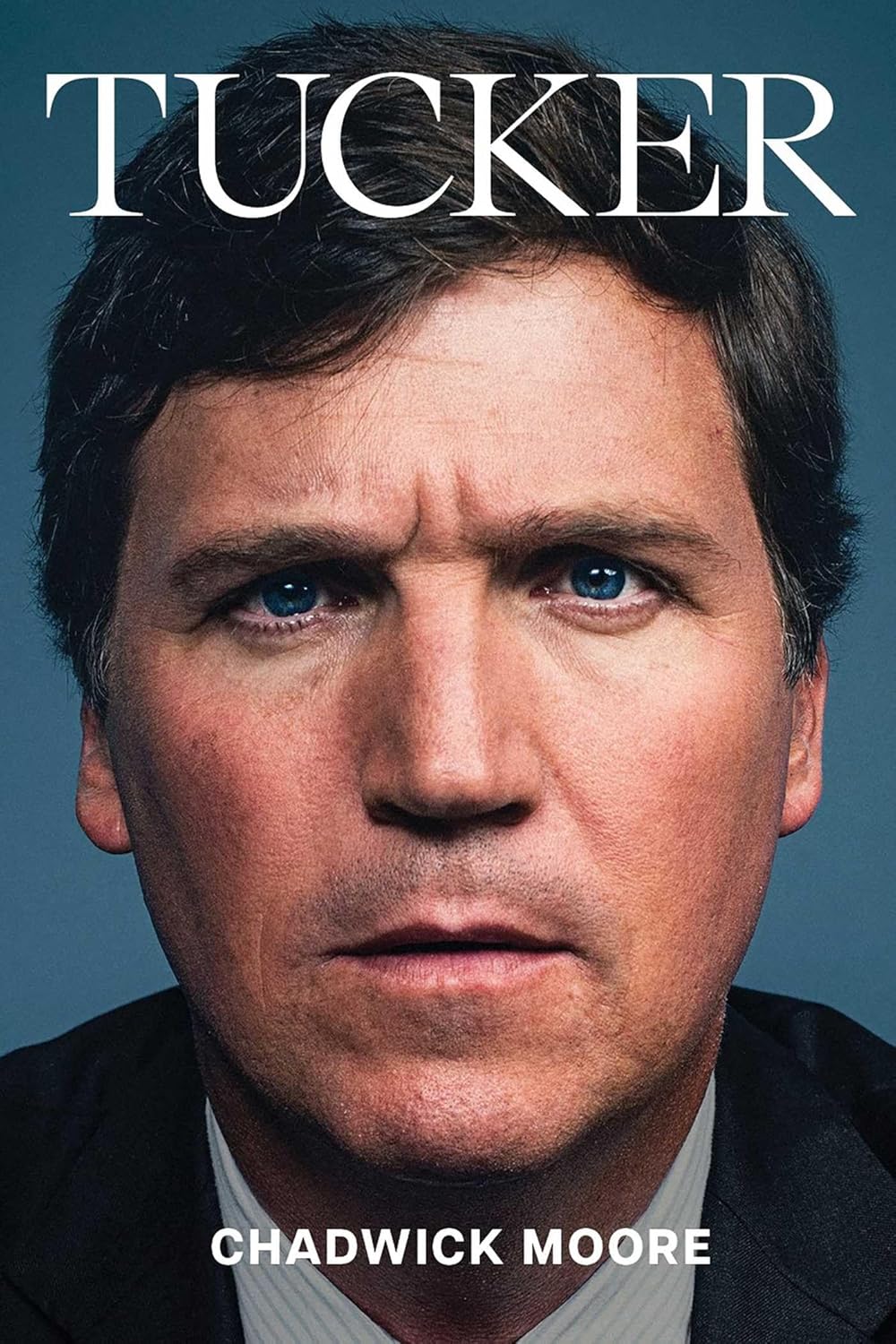
The viral video showing him supposedly fleeing was, as Tucker Carlson later demonstrated, deceptively edited. The full footage shows Capitol Police moving the entire Senate from one room to another, with every senator passing through and police asking them to hurry. Hawley finds it both weird and amusing that critics spent time and money hiring producers to create a false narrative, taking it as a backhanded compliment. At the end of that long day—around 9 p.m. when senators returned to the chamber—he filed his objection as planned, unchanged in his conviction.
A Father's Hope
When asked what characteristic he most hopes to nurture in his sons Elijah and Blaze, and daughter Abigail, Hawley returns to his central thesis: he hopes they will be people who sacrifice their lives for the good of others, who live in a self-sacrificial way. As a Christian, he sees this modeled ultimately in Christ—a man who gave himself for the world. In their own small ways, we're all called to imitate that example, to live for others, to sacrifice our interests and pleasures, to discipline ourselves in order to draw others forward to what they can be.
His aspiration as a father captures the humble ambition every parent should hold: "I want my ceiling to be their floor." He wants his children to be better than him—better in character, better as spouses, better as parents. That's the work of fatherhood: not controlling outcomes, but carefully nurturing the potential within each child, helping them become the people they're meant to be.
Video Transcript
manhood by Senator Josh Hawley Senator it's so great to have you on the show it's a topic a subject which I'm excited about that I have talked about on my own at various occasions why is it with something you wanted to write about manhood well first of all thanks uh first of all thank you for having me it's great to be with you you know I am a father I've got three kids and my two older kids are boys and really it was thinking about them and thinking about my responsibilities as a dad to help them become the men that they are capable of being that got me thinking about this and got me writing about it I just think that that men of all ages but maybe especially young men right now need to have Role Models need to have a vision for their life and be told you matter and what you do can change your life can change the world yeah and it seems to be that message is not making its way through to young men we you and I we all know many of the stats whether or not it goes to depression or suicide men simply seem lost today why do you think that is well I think part of it is the Relentless messaging of the left for decades now going back at least to the 1960s where their message to men has been you are toxic that to be a man is to make the world a worse place that men are the cause of pick your evil climate change systemic racism bigotry blah blah blah I mean whatever fill in the blank right men are the root cause of all of it and so men need to be passive they need to do as they're told by their liberal betters that's been the message and I think for young men especially It's really disorienting because a young man you know he wants to do something with his life he wants to go out there and leave a mark leave a legacy but he's being told the same time oh no no if you do any of that you're going to make the world so much worse and so I think you have generations of young men now who are just kind of stuck in neutral and they're down in their parents basement and they're watching their screens and they're being good little consumers and we don't need men like that we need men who want to take on responsibility I definitely agree and think there's been this concerted effort to defile masculinity to Define it as whatever they Define as toxic masculinity and increasingly whatever they Define as toxic is actually some pretty mainstream characteristics of masculinity but I I don't I don't know if I buy the premise that the central attack on masculinity is of a political nature I I find you know I have come to believe and I think you believe as well as I've as I've read the book that one of the biggest things missing from Humanity but acutely within manhood is a sense of purpose why am I here what am I supposed to do and when you you said it kind of casually but I know it's a central thing that you you analyze um talking about young men in the basement playing video games on on various forms of either recreational or prescribed drugs it seems to me that this this listlessness this wandering of of men and masculinity has a lot to do with just a sense of loss of purpose to me maybe even more so than political foreign yeah no I think that's right I mean I think it's cultural and it's very rude and I think the politics plays into it but yeah the lack of purpose and if you look at what culturally and again I laid this at the feet of the left but whether it's in Academia the entertainment industry uh the Hollywood what what they tell young men is that the world has no meaning and their lives have no meaning nobody's life has any meaning right that's that's the general message and so then it's like what am I supposed to do with my life well you know I try to make yourself happy as best you can I mean that's the overarching narrative that the left culturally has left us with just try to make yourself happy and the men they say the best way to do that men is just entertain yourself on a screen be a consumer and I think that that you know being a consumer where's the purpose in that where's the vision in that where's the adventure there's no Adventure in that and so I think young men many of them have bought into this or they just don't know there's an alternative and it's making them deeply unhappy unhappy and it's it's bad for society you know I had this conversation I live in Texas Senator I'm from Texas I spent 15 years in New York I still work in New York so I have a lot of relationships up there and I was in New York it was probably a week and a half ago hanging out with some friends and I don't remember how the conversation came up but and I will I will lay my wisdom on this at the feet of my co-host Rachel Campos Duffy and Pete hegseth but um this this understanding yes I think we all intuitively know that life shouldn't necessarily just be about Hedonism but I don't think we've fully understood that that doesn't mean that that means life is not also just about happiness you lay this out well in the book that this constant Pursuit of Happiness is a dead end Road and I was having this conversation with a friend in New York and I was talking to her about this like if you just pursue happiness it's momentary Pleasures it almost always leave you empty and then therefore what is the point of life the point of life is not to chase happiness but it is to chase purpose and you talk about that and you talk about it through a Greek philosopher tell me a little bit a little bit about EPA is it Epicurious yeah epicures exactly yeah but here's my basic premise here's my argument is that today's left basically epicurus is their Founding Father what did he say to boil it down to oversimplify it but I think to get the gist of it he said that the self is God pleasure is God so the world doesn't mean anything there's no meaning there's no purpose out there inherent in the world so the best you can hope to do is make yourself happy how do you do that pursue pleasure and if you think about it that really is the dominant note right now in much of our society again especially those institutions associated with the left pursue pleasure fulfill yourself itself everything self-fulfillment self-indulgence self-care self-help and I really think that if you look at some deeper sources if you look at American history if you look at the Bible what you find is all this focus on self it really doesn't get you anywhere the highest form of meaning and purpose is found in self-sacrifice it's found in giving yourself away to others it's found in responsibility and that's really what the book is about it's to say to men Lee leave a legacy be a man of vision learn how to sacrifice yourself for other people yeah self-identity self-love it's June it's pride month the entire thing is about identity and self-love we have become a culture that worships self you know you're you're really and I don't throw unnecessary bouquets you're a really smart guy I know you've thought about things in a deep philosophical level how do you reconcile that like I I would imagine you would have at one time perhaps described yourself you may still as a classical liberal small ill liberalism um the American experiment is a lot about the individual individual rights the freedom of the individual the Dignity of the individual how do we reconcile that that um that Dignity of the individual against what has become the worship of the self I think for many those two are conflated yeah great question I think you're absolutely right that it's conflated today but that wasn't the truth for our Founders and I by the founders I mean the whole founding generation pretty much from like the pilgrims all the way up into the 1700s and Beyond they saw a difference between individualism which I think is a good thing and self-indulgence which is completely different they wanted individuals to be strong to be independent you know not to be not to indulge themselves not to be dependent on the whims of other people and they wanted individuals who are capable above all of serving their families their communities and their Nation you think about George Washington you know what was Washington's highest ambition in life it was to be a man who was willing to lay down his life for his country to lay down his life for his family for his faith for what he believed in that is an individualism that is worth having right there that is a strength that begins with self-discipline and self-mastery and self-sacrifice and then is able to change the destiny of other people in the world and to me the distinction is also that between rights and judgment so I want the individual to be free to have the right to pursue whatever it is they see is their fulfillment individually but that doesn't mean that they are free from judgment and so either external or internal judgment or higher power judgment that we should be able to have these rights to be free but those should be constrained by good judgment what what is it that I should be doing what is it my my heavenly father thinks I should be doing what is my community or my family think I should be doing those should all be limiting factors on that individual freedom yeah totally and I think that if you just tell people that Hey listen you're welcome to do whatever it is you want to do have at it uh and and there's there's no right or wrong you leave them completely adrift but them I'm thinking they're young men I mean you leave them with any without any Compass any moral guide I mean so hey I'm I believe in Freedom of the individual like I don't I think that we should have let individuals choose to do what they want to do so long as they don't harm other people sure but that by itself is not going to give you a life of meaning I mean that by itself is not going to give you a life of purpose I'm sorry right yeah right and it feels like the modern left's Freedom that they want to pursue right now and again I don't think it's it's coincidental that I bring this up in a month pride month in June when I think this is largely what the movement has become where the freedom that is sought is the freedom from judgment don't judge me bro uh don't you know accept me for whatever it is whereas you know I want you to be free and of course we're accepting children actually let me ask you this question because look my politics have evolved over time Senator and I think in a way not unlike your own where I have understood the value and embraced the concept of populism in some ways and um and and I'm curious though if this conversation we're having about limitations individual freedom is something that you have become in any way less devoted towards as a hard and fast principle what I mean by that is I was about to say I'm cool with you doing whatever you want as long as it doesn't impact children right um we're talking probably pretty specifically about some of our libertine laws when it comes to drugs or um not all drugs by the way and or or these uh trans issues but I'm curious like you have advocated for example that we should put limitations on social media use for people under a certain age I'm curious kind of as you've I don't know if that's tied to sort of your Embrace of some tenets of populism but do you feel like there are places where you've seen the limits in your mind of the Embrace of individual freedom yeah yes and I think it's for me it's probably more tied to being a father you know my oldest is 10 now and uh the last 10 years have been transformative for me just looking at life through the lens of fatherhood and what it means for kids and so you know I'm of you that we shouldn't make any apologies for protecting our kids I mean there's a difference between if an adult wants to spend every minute of his Waking Life on social media I mean go ahead I wouldn't recommend it you know I mean I'd say it's a terrible use of your time but you want to do that fine but for a kid you know when we know how social media preys on these kids when we know how they tries to warp their judgment when we know how it tries to separate kids from their parents and indoctrinate them into so many different unhealthy things that's different in my view I mean that's where there's a reasonable place to say you know what companies you probably shouldn't be able to Target kids you know you shouldn't be able to do that like you want to do that to adults go ahead within limits but but not with kids so I think being a dad has changed my views on a lot of things but certainly on this issue real quick as a follow-up on that you you've talked about limiting the reach of social media companies when it comes to children or having kids sign in showing age of consent would you go further I mean again this is what's in the current news cycle it's a lot of these corporations I just read this morning about something Nike is doing we've of course heard about Target we've seen Bud Light do you see other places that you would go in limiting I don't know corporate free speech I imagine that would be their defense right some First Amendment claim uh on their ability to create certain products would you go further than looking at social media companies would you look at other companies and limiting their ability to Market towards kids well I do think that there should be limits on marketing to kids and we already have those in the law in various places now does take Target since you mentioned that you know my view there is that if those companies of Target wants to go totally woke and and they want to push a very ideological agenda and they want to try to sell those products I mean okay you can do that I don't think that we should stop them by law from doing that certainly they do whatever they want but I 100 support the boycotts you can't tell me as an American as a dad that I've been obliged to buy your products I'm not going to do that and I think it's great that American parents are out there saying uh no thanks you sell what you want Target but don't expect me to buy it and don't expect me to endorse it and don't expect me to say I'm fine with it this gets back to your point about judgment you can sell whatever you want but don't expect me to say oh yeah I'm good with it you know no I'm not good with it I'm not going to buy it and I don't think I'm not going to recommend it to other people I think that's the right balance there and I love seeing all these parents stand up absolutely um Let me let me ask you one more on that current news cycle because my mistake was probably picking a hypothetical although you happily indulge the question when it came to Target so let me use a specific um Disney and Governor Ron DeSantis you know uh former president Trump has criticized Ron DeSantis and some others on the right have criticized DeSantis for using the power of the state to take away a privilege from Disney um in the state of Florida is that in your mind an appropriate use of government power oh sure because listen as I understand it and I'm not a Florida residents and and so I don't people out there who know Florida law can correct me if I get this wrong but my understanding is is that Florida historically gave a whole bunch of special privileges to Disney you know at the federal level to shift to something I know a little bit more the federal level we've given kind of a special copyright privileges to Disney and I've introduced legislation to take those away so I don't think the government needs to be in the business of giving these corporations special privileges especially when they're out there pushing a highly political agenda now does that mean we should prevent them by law from doing that I mean no but nor are they entitled to free tax money from taxpayers and free stuff from the government at any stage especially when they're doing what they're doing now so I would just say hey no more handouts to Big corporations you know I'm against that yeah yeah and I think I know a little bit about what you're talking about it's that Mickey Mouse copyright has been extended well beyond I believe its original statutory um intent and just rolled and rolled and rolled where he would have gone into common use but Disney's got this special exception hey um okay so manhood and I told you at the outset this is a topic that is interesting to me back to why you wrote this book it's um this has become a topic Senator that that is on Trend in a way um you said you you've got two boys your oldest is ten I take it the other one maybe seven or eight in that age range um that's usually how we space them out right my my oldest is 15. um I have my second they're both boys is 12. they my oldest especially because he now has a phone um and he's on social media he encounters a lot of this stuff Senator like he knows who Jordan Peterson is he knows who Andrew Tate is um there are more he knows probably who Jocko will uh will Nick is um so like this idea of thinking about masculine now it's been important to my relationship with them like you I've thought a lot about it as I've been trying to raise them but I'm curious like how does your book stand apart in your mind from a lot of messages that young men and fathers that matter are already beginning to get through for example some of the names I just mentioned well I love some of the names that you mentioned I mean just to take the one I know the best Jordan Peterson um you know I I think that Peterson's message of responsibility to man of meaning and purpose is terrific I would say that what I try to do in my book is to look at at a subject matter and Source material that that I know that has been personally meaningful to me and that is the scriptures to go back to the Faith of Our Fathers if you like you know to go back to the stories that inspired so many American men over the centuries the stories of people like Abraham and David and to go back to those and to tell those stories again and try to say listen this is deeply rooted in American history it is deeply rooted in western civilization these are the stories that have formed men for literally thousands of years and they are powerful stories we should hear again about what it means to be a husband and a father and a warrior and a builder so that's what I try to do in the book and you know I also collect stories from my own family in American history and I hope that it's helpful to my boys I hope that it's helpful to other young men and fathers out there and I just think the more we can hold up role models of good strong men boy the more that we've got to work with as fathers and and husbands hey you just mentioned a couple of these roles that you talk about in the book you mentioned six specific roles you and I you and I spoke about them briefly on Fox and Friends um I think these are really fascinating roles that you mention as roles men should inhabit in a lifetime they are husband father Warrior Builder priest and King tell me how you kind of centered on these six roles I think that they are roles that every man goes through and moves towards in his life and then they're also they're derived from the Bible I mean they're derived from the different stories in the Bible and the point is that every man is called to live into these and even if let's say even if you're not a father right now but you can still form the virtues or the character of a father right you can be somebody who can give your life for other people who can invest in other people maybe you're not a husband well but you can learn to be Dependable you can learn how to make a commitment you can learn how to be counted upon and so on and I think that culminating in King you know every man is called to be somebody who can use the authority that he has in his life whatever it may be his influence can use that to bring order to bring stability to bring peace and to bring flourishing to other people in his life and I think every man wants to do that wants to be able to have that kind of influence so I walk through those roles I tell stories about them and then I just try to help men to see hey cultivating the character forming the character of your life is really what unlocks your destiny you want to have influence in your life form your character you want to leave a legacy form your character that's the real message of the book yeah and and while we're on probably I don't know you mentioned the 1960s so I don't know if we're on sort of a 60-year path of the decline of masculinity it could be longer I don't I don't know um but there's been this vacuum and as I mentioned others have stepped into it and I you know I'm curious I think you do address this um there's a lot of things for example that Andrew Tate says that I like that I think is very rational and smart there's also sort of a false machismo bravado in my estimation I think in yours as well that has stepped into that vacuum that is feeding young men this um I don't know if we should call it alternative yes it is an alternative to the roles you just talked about and the character you just described as a vision of masculinity what would you say about Andrew Tate yeah I just I talk about this in the book a little bit to the extent that Andrew Tate holds up a vision really of toxic masculinity I mean this is my critique is that I think that he buys in too much to the left's view that all manhood is toxic and there's a part of I think of his appeal that's like yeah that's right Manhattan is toxic and we love it you know we're proud of it yeah we're proud to be toxic we're going to be abusive we're going to be domineering we're going to be controlling uh I I think that's not that's not real manhood that is not having the character of self-sacrifice of self-discipline of self-giving you know so I think it it in a way it gives too much to the left you know it buys in too much to their terms so do we want strong men absolutely do we want men of influence you bet we do but we want them to be good men who ultimately can discipline themselves and sacrifice themselves for the good of others that is very counter-cultural but I think it's what we need I agree totally do we want strong men absolutely do you want men that don't get married which is something I think that he advocates for absolutely not um okay before for we have a little bit of time left I wanted to ask you about I was scrolling through some of the I wanted to see some of the reviews and some of the criticism and what people had to say about manhood and I wanted to even if I don't agree with these estimations I did want to ask you about some of the critiques and they're actually pretty consistent and and the consistency of the critique we can take in either one of two ways it's a clear failing of the book or it's the group think of the of those that would criticize either way the the reviews that had a harsh word to say about you basically they all said the same thing so I don't have to belabor it it's I can tell you it came in two forms right the critique is either a a critique on the sort of idea of masculinity just mocking this like what they would call what you and I believe is masculine um a caricature so I'm gonna dismiss that one okay and then there's the ad hominem attacks on you okay and those also come in two forms there so I want to ask you about both of them one of the things that those that would criticize you criticize you about is this they say in the book you talk about your grandfather who had a farm you talk about I believe it's an uncle who poured concrete for a living but you don't talk about your dad who was a banker they say that you don't talk about your own Stanford and Harvard Education the point they're trying to make is you um are are projecting an image of a blue collar populist when your actual upbringing wasn't that you're a elite educated guy who I don't know I don't know your banking background your father's banking background so I don't know if you're a middle class if you were upper class I don't know but it doesn't matter to me the point is the criticism is one that you are not projecting the actual image of your life forward as you write this book yeah I would just say to that that the book isn't about me projecting an image at all it's amazing how these people are so obsessed with politics and image and I guess it's how they live their lives the book isn't about me so I'm not trying to project an image of me I'm trying to tell stories about the Bible and other people who are great role models and if the criticism is oh Josh you're not a perfect role model well hey yes guilty's charged I mean that is absolutely true if the criticism is you're not perfect or you haven't lived up yet I'm sure I haven't and in fact I tell some of the stories in the book about you know times when I thought to myself man I screwed that up as a father you know or I I didn't do that right as a husband so you know that's for sure true I do want to you mentioned my dad I just want to hook into that though for a second yeah I do talk about my dad in the book I'm very proud of my dad and uh very proud of the Legacy he left me he's still alive I don't make it sound like he's gone I love you Dad I'm glad you're still there but uh you know listen I just I I am I'm so grateful to him and to my mother into the upbringing I had which was in a little town in rural Missouri Lexington Missouri and I talk about that some of the book and you know and people could say what they want like me or dislike me but uh I I just think at the end of the day we need to be willing to say to men that here is the truth about being a man here are the roles that we're called to hear this hear the men who've done it well and if people want to attack me for doing that fine that's fine by me how big is Lexington uh it's 4 800 people oh it's for 4 800. oh yeah small no it was great it's a great it's a small town and uh it was uh my dad was a yeah I was a small town banker there my mother was a public school teacher before I was born and it really that Community you probably get this in the book that that Community is a face-to-face community that that way of life really shaped me and I come from you know multiple generations of small town folks and um listen I don't I'm not saying that small town people are better than anybody else um but I do think that some of the the values and ways of life that are preserved in our rural areas in our small towns and I represent a lot of them the state of Missouri I think those are pretty darn good so I you know I'm not going to pull any punches about defending him hey our our backgrounds are a little similar in that way look I'm from a small town named Sherman Texas it was about 30 000 when I when I was growing up uh which is bigger than Lexington but still on the on the rural small town scale and my dad was an attorney in town um and but it's a face to face as you mentioned town and what that means I think is instead of being ensconced and Wealthy enclaves for all you ever see is people of your same socioeconomic background or even um you know Blue Collar versus white collar background you see everybody and you understand the Dignity of every kind of work and so in just joining you in your rebuttal to that it's is I do think Blue Collar work has been denigrated and in maybe where you grew up where I grew up gives me the ability to see that it should not and the dignity inside of that type of work but also inside of being a banker or an attorney because it's about the character that you bring to that work absolutely and I'm an attorney I mean you know listen I'm not married so am I so um you know I mean so that's uh that's a fact and and I'm glad I am I hope I've used those skills to the best that I can but I want to I want to pick up your point about blue collar work this is some and the left doesn't like talk about this because their policies have helped denigrate Blue Collar work they have helped to send those jobs overseas and their General disdain for people who do not have the Elite Education that they so value that the left so values you know they they are listen the Democrat Party now is a party of Elites it is highly educated Elites so they hate it when you talk about blue collar work they hate it when you defend a blue-collar life and they always go into you know to defensive mode and attack mode and I think it's very telling because these are the people who say that if you don't get that four-year degree and it's not from the right College basically you're not worth much in life I mean that's their message and has been for decades now and I think we need to say hold on that's not right at all all you shouldn't have to go to an expensive four-year college in America to get a good job and you know what somebody whose goal in life is to get married have a family work a job contribute to his church coach the Little League that is a great life and we should say those people we need more of those men in the United States of America absolutely here here okay the one other criticism I mentioned there were two and they were both ad hominem the other criticism won't be unfamiliar to you and that is about January 6th and they talk about the picture with you with the Raised Fist and then they show the edited video which we all know or we don't all know we should all know was edited um very tight clip but the point they try to make is you speak about courage and you speak about manhood and on January 6 their argument to you and this is what I I want to allow you the opportunity to respond to is you did not exhibit those characteristics that you stood in front of a mob and then ran ran from the mob the consequences of something they suggest you fomented now the reason I want to bring that up you know I told you there's a bunch of people that wrote this stuff you know The Intercept said it maybe the most um succinctly but they said um you you uh they called your run the Sprint of self-preservation right so they're casting you as not courageous but in the in the mode of self-preservation in this moment on January 6th and then they say the reason that they think you can get away with it is that you live in a self-contained fantasy world where people like me don't hold people like you accountable to those questions so here am I asking you their question when they are not here present and I want to get your response to this that your actions on January 6th are direct rebuttal to your message in manhood yeah I would say a couple things the first is is that I regret nothing that I did on January 6th taking a stand for election Integrity which I did filing an objection in particular to the state of Pennsylvania's electoral votes which I did I would absolutely do over again nor do I regret being out there with the demonstrators they were not a mob it was not a riot when I was out on the Plaza that famous picture that's in the Capitol Hill the plaza right in front of the right in front of the House of Representatives they were not rioting they were demonstrating peacefully which they have every right to do this was like 11 30 in the morning so I don't regret that at all and I totally will defend their right to be out there and to be protesting as to the uh the fantasy piece of it it is a total fantasy that I ran from the mob as you as you point out and as Tucker Carlson showed on on his program the video is fake they edited they edited the video they scrubbed it they imposed a a different narrative on it uh so it's totally false it has been totally disprove it what you see is the Capitol Hill Police moving the Senate the whole Senate all of us from one room to another in the capital and so if you watch the video you'll see every single Senator go by you'll see the Capitol Police tell us to please hurry up so they can they can get us from the capitol chamber over to uh to a holding room so you know I mean that that is the truth it's a total fantasy but I have to tell you though I kind of love it because I'm flattered that they spent they hired a Hollywood producer or maybe it was a news producer they spent cops with time and money editing this video and coming up with a fake narrative all to try and hit me I just I think that's I think it's weird but um you know I also think it's funny so you know again you can criticize me all you want but I do not regret what my taking the stand that I did on that day at the end of the day and I do mean the end of the day is nine at night or something is when we finally got to go back into the chamber that's when I filed my objection so I didn't change my mind and I didn't back down and I'm not going to apologize for it so sorry Libs I appreciate you addressing that today I appreciate you addressing both those criticisms of the book and the past today okay let's end on this so Senator um you know I think that probably you know I hope I try to keep my ambitions in check my own personal Ambitions and check and remember that the most important things that I'm doing on this Earth are raising those two boys of mine trying to be a good husband and and uphold the values that someone much bigger than me expects of me on this Earth I I really do um think that I hope I hope that I can remind myself of that in every choice that I make what is it right now like if you're talking to that I don't uh Blaze is Blaine or blade one of them your two sons names yeah yeah Elijah's my older Boyz and so we don't leave her out your daughter's name as well Abigail my baby there we go okay but since the book is about manhood for for Elijah and Blaze what is the main thing like as you is as we leave this interview that you hope the whole the one characteristic that you hope that you can help I think we're um we're gardeners I guess you know we're trying we don't we don't control it we just do our best to to nurture it into whatever it's going to be what is the the one characteristic you hope you can nurture in those two boys oh I I hope that above all they will be men who will sacrifice their lives for the good of others that they will live in a self-sacrificial way listen as a Christian I think that's what we ultimately see in Christ a man who gave himself up for the world and I think in our own small ways you know we are called to imitate that to be part of that where we live for other people where we sacrifice our interests our good our Pleasures we discipline ourselves in order to draw others forward to what they can be and I hope my boys will be will be far better at it than I am you know I hope that they will be better men than I am I often say that I want my ceiling to be their floor you know in terms of their character I want them to be better men better husbands better fathers and I'm going to try to do everything I can to help them become the men they're meant to be Senator Josh Hawley manhood it's an important message and a really good book thank you so much for being with us today hey thank you so much for having me hey it's Will Kane click here to subscribe to the Fox News Channel on YouTube it's the best way to get our latest interviews and highlights and click to subscribe to the will Kane podcast for full episodes right now