2,422 videos 1,389,747,653 views US Joined Aug 30, 2018
Charlie Kirk is the Founder and President of Turning Point USA, the largest and fastest growing conservative youth activist organization in the country with over 250,000 student members, over 150 full-time staff, and a presence on over 2,000 high school and college campuses nationwide. Charlie is also the Chairman of Students for Trump, which aims to activate one million new college voters on campuses in battleground states in the lead up to the 2020 presidential election. His social media reaches over 100 million people per month and according to Axios, he is one of the "top 10 most engaged" Twitter handles in the world. He is also the host of “The Charlie Kirk Show,” which regularly ranks among the top news shows on Apple podcast charts.
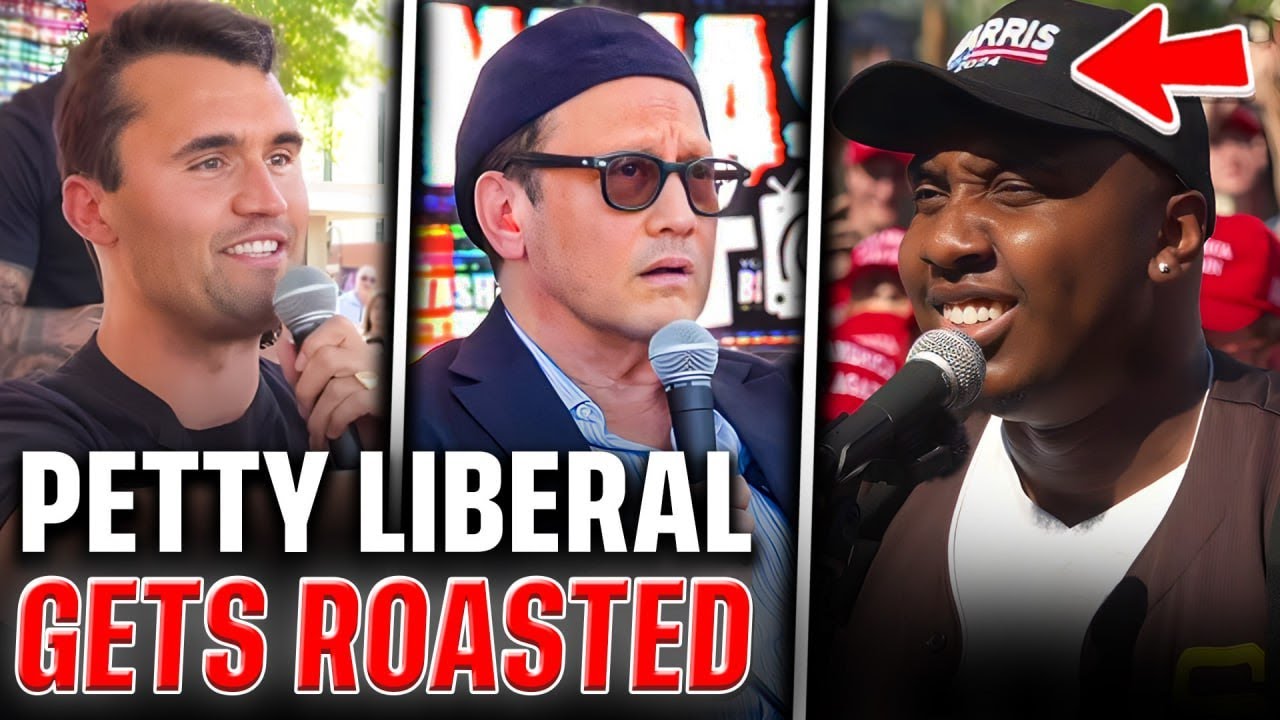
Charlie Kirk Confronts Student Over Tony Hinchcliffe Comedy Controversy at Presidential Rally in Greenville
A heated exchange erupts when a student challenges Charlie Kirk about comedian Tony Hinchcliffe's controversial jokes at a Trump rally. The student argues that while comedy is acceptable on television, the presidential stage demands professionalism and shouldn't feature racist humor. Kirk pushes back, defending the role of edgy comedy in American culture while drawing a distinction between a warm-up comedian's pre-show routine and official campaign messaging. The conversation reveals deeper tensions about where to draw lines between free speech, comedy, and political decorum in contemporary American politics.
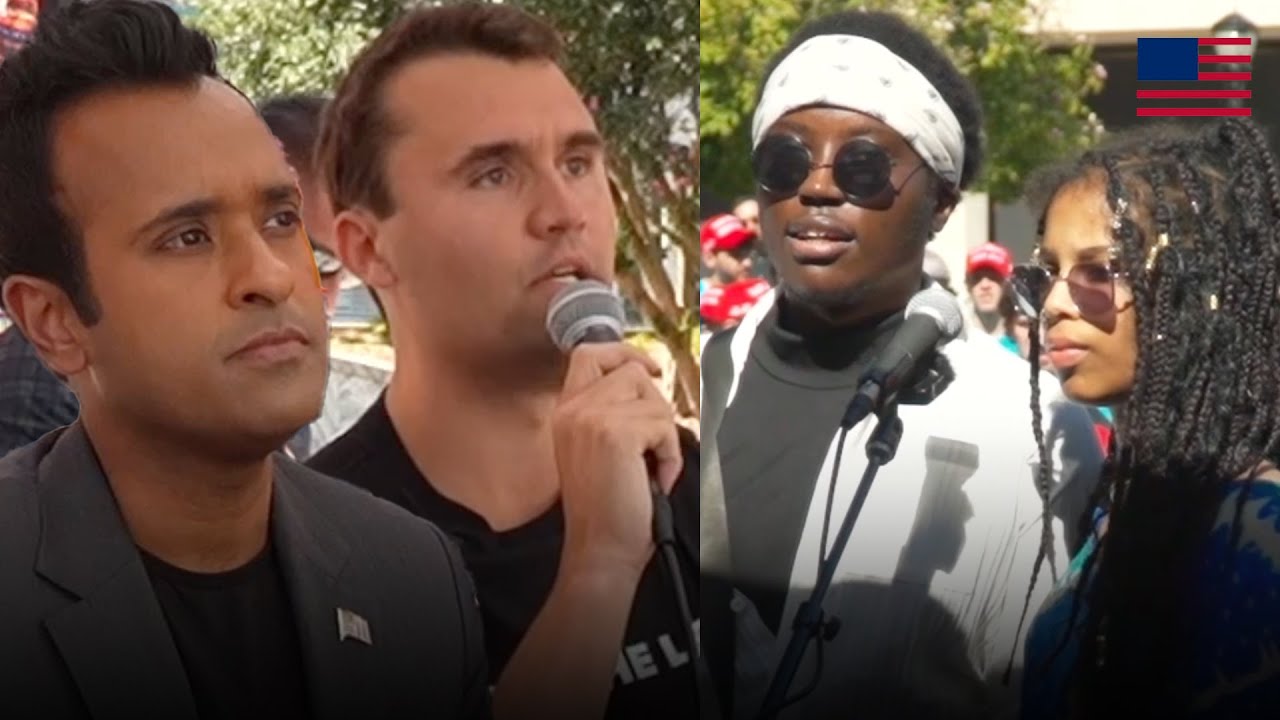
During a campus event in Greenville, a student approached Charlie Kirk with a pointed question about the increasing difficulty of Kirk's job when "racist comedians" appear on presidential stages. The student specifically referenced comedian Tony Hinchcliffe's performance at a Trump rally, expressing concern that such humor was inappropriate for a political venue, even while acknowledging he had no problem with edgy comedy in other contexts like television shows.
Kirk's initial response was characteristically direct: "Can you take a joke?" This simple retort set the stage for a back-and-forth that would touch on issues of political correctness, the role of comedy in public discourse, and the standards Americans should expect from presidential campaigns.
Drawing Lines Between Comedy Venues
The student made a clear distinction in his argument. He emphasized that he regularly watches shows like "The Boondocks" and has no issue with comedians making controversial jokes on television. His concern centered specifically on the presidential stage as a unique venue that demands a higher standard of professionalism. "We're supposed to be projecting our country," the student argued, suggesting that what's acceptable in entertainment shouldn't necessarily translate to political events.
Kirk countered by pointing out important context: the comedian performed approximately four hours before Trump's arrival, as part of a warm-up routine rather than sharing the stage directly with the presidential candidate. Kirk emphasized that Tony Hinchcliffe isn't just "some schlep" but a well-established Comedy Central comedian who had roasted Tom Brady, suggesting his appearance wasn't as unusual as critics claimed.
The Endorsement Question
The conversation took a turn when the student argued that having the comedian at the rally constituted an endorsement of his material. "If he's on the stage with Trump, that's endorsing it," the student insisted. Kirk quickly corrected this assertion, reiterating that Hinchcliffe was never on stage with Trump and that Trump had actually disavowed the controversial joke.
This exchange highlighted a common point of contention in modern politics: how much responsibility should candidates bear for the words and actions of those who appear at their events, even in unofficial capacities? The student maintained that presence at the venue itself constituted endorsement, while Kirk drew a firmer line between warm-up entertainment and official campaign messaging.
Comedy's Role in American Culture
Kirk defended the broader principle at stake, arguing that America needs "more comedy in this country, not less." While acknowledging the joke in question was indeed bad comedy, he invoked a principle often cited by professional comedians: if you're not wildly offending somebody with one out of ten jokes, you're not trying hard enough.
Kirk referenced comedy legends like Dave Chappelle and Chris Rock, who have built careers on pushing boundaries and challenging social taboos. The implication was that placing strict limits on comedy, even in political contexts, represents a dangerous slide toward excessive political correctness. However, Kirk also acknowledged the student's point that a presidential stage might indeed be different from a comedy club or television special.
Redirecting to Presidential Remarks
In an attempt to reframe the conversation, Kirk pointed to what he considered a more serious issue: President Biden calling Trump supporters "garbage." Kirk argued this direct statement from a sitting president who controls the military should be more concerning than a comedian's pre-show routine. This comparison sought to highlight what Kirk saw as selective outrage, where critics focused intensely on a comedian's remarks while ignoring allegedly more serious comments from actual elected officials.
The student clarified he didn't support Biden either, removing that potential deflection from the conversation. This admission kept the focus squarely on the original question about appropriate standards for political events.
The Persistent Disagreement
Despite the extended exchange, neither party shifted their position significantly. The student maintained his core argument: while controversial comedy is acceptable and even enjoyable in entertainment contexts, the presidential stage demands different standards. Kirk continued to emphasize the distinction between warm-up entertainment and official campaign events, while defending the general principle that America benefits from edgy comedy rather than excessive sensitivity.
Kirk concluded by expressing his view that the controversy represented "select moral outrage," suggesting critics were choosing to be offended by this particular incident while ignoring other potentially more significant issues. The student, however, stood firm in his belief that regardless of the comedian's credentials or the timing of his performance, racist jokes have no place at presidential campaign events.
Broader Implications
This exchange encapsulates ongoing tensions in American political culture about speech, comedy, and appropriate standards for different contexts. The student's position reflects a view that certain venues carry special significance and therefore warrant heightened scrutiny and professionalism. Kirk's position represents a concern that America is becoming too quick to take offense and too eager to police speech, even in contexts where edgy humor has traditionally been accepted.
The disagreement also highlights how the same event can be interpreted through vastly different frames: as either a minor warm-up routine blown out of proportion, or as a significant failure of judgment that reflects poorly on a campaign's values and priorities. These competing interpretations reflect deeper divides about cultural standards, free speech, and what Americans should expect from those seeking the highest office in the land.