2,277 videos 1,364,597,333 views US Joined Aug 30, 2018
Charlie Kirk is the Founder and President of Turning Point USA, the largest and fastest growing conservative youth activist organization in the country with over 250,000 student members, over 150 full-time staff, and a presence on over 2,000 high school and college campuses nationwide. Charlie is also the Chairman of Students for Trump, which aims to activate one million new college voters on campuses in battleground states in the lead up to the 2020 presidential election. His social media reaches over 100 million people per month and according to Axios, he is one of the "top 10 most engaged" Twitter handles in the world. He is also the host of “The Charlie Kirk Show,” which regularly ranks among the top news shows on Apple podcast charts.
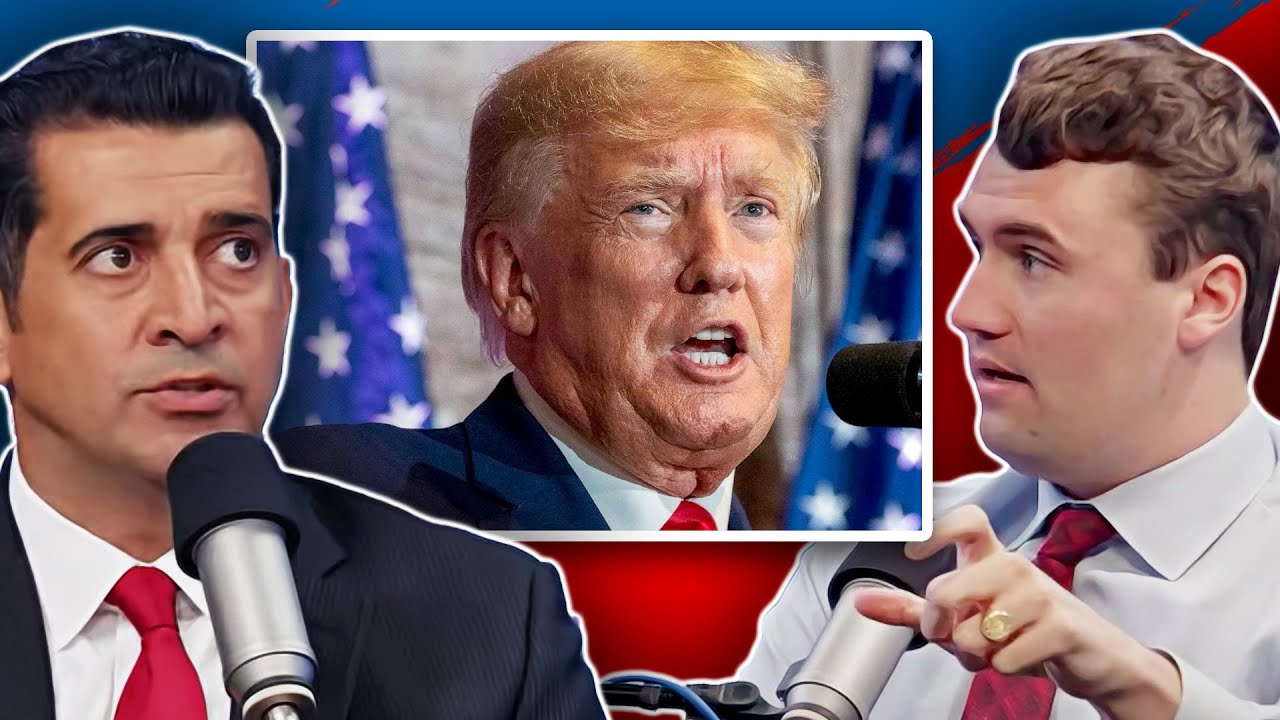
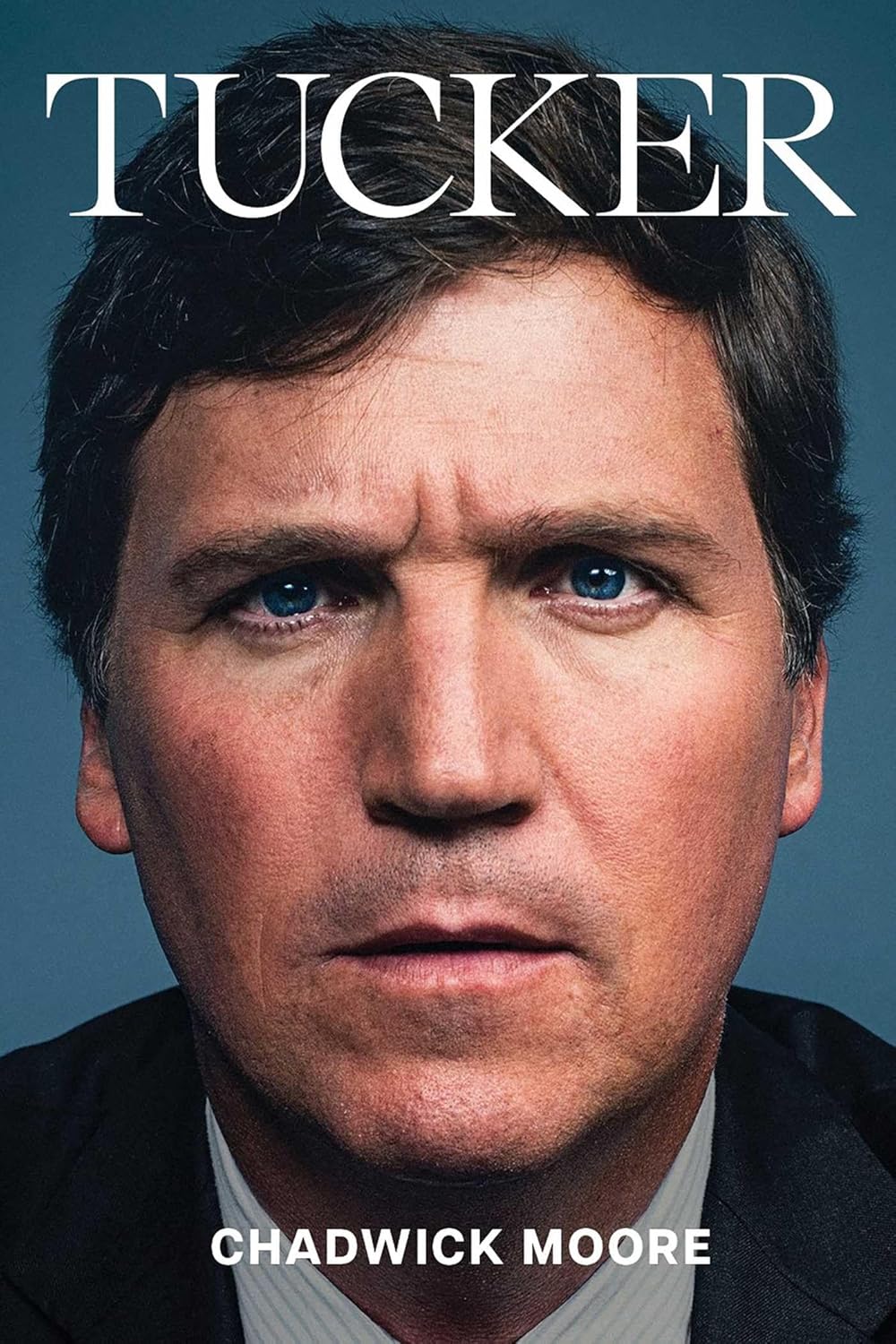
Tucker Carlson Demands Answers on Jeffrey Epstein's Intelligence Connections and America's Economic Disorder
Tucker Carlson pulls no punches in a conversation with Charlie Kirk about the Jeffrey Epstein scandal, arguing that the real story isn't about sex crimes but about international intelligence operations and blackmail schemes. Carlson challenges the Trump administration's recent handling of the case, questions why Israeli intelligence connections remain unaddressed, and connects it to a broader economic crisis where hardworking Americans can't afford homes while suspicious fortunes proliferate. He also reflects on the spiritual awakening happening among young people and shares a powerful story about the cost of participating in lies.
Tucker Carlson opens with pointed criticism of the Department of Justice's recent statement on the Jeffrey Epstein case. He argues that Attorney General Pam Bondi's decision to close the case and declare Epstein's death a suicide represents a betrayal of Trump voters who expected transparency. Carlson explains that while he doesn't believe Trump himself is complicit, the administration's handling gives that impression and needs immediate correction.
The conversation traces Epstein's improbable journey from math teacher at the Dalton School to billionaire with multiple private jets and the largest private residence in Manhattan. Carlson emphasizes that no trading records exist in Epstein's name, and those who met him, including Eric Weinstein, found him to be a fraud with no genuine financial expertise. The question remains: where did the money come from?
Carlson states his belief that Epstein was running a blackmail operation designed to entrap powerful people in compromising positions. He points to Epstein's girlfriend Ghislaine Maxwell being the daughter of a Mossad agent and former Israeli Prime Minister Ehud Barak living at Epstein's residence as evidence of Israeli intelligence involvement. Carlson argues that asking whether a foreign intelligence service was running a criminal enterprise on American soil is not anti-Semitic but a legitimate question any citizen should be able to ask.
The Real Scandal: Who Was Jeffrey Epstein Working For?
According to Carlson, the Department of Justice doesn't actually have information about Epstein's sex crimes because the 2007 search warrant under the Bush administration was written to protect Epstein rather than expose him. The real scandal, he argues, is who Epstein was working for and where his money came from. Carlson believes the answer points to Israeli intelligence, though Israel has refused to confirm or deny this when asked directly.
He expresses frustration that no American politician will openly address these questions and that critics like Ben Shapiro dismiss legitimate inquiries as conspiracy theories. Carlson argues this dynamic actually fuels anti-Israel sentiment by making people feel they cannot discuss obvious evidence without being attacked. He emphasizes his opposition to collective judgment and anti-Semitism while maintaining that questions about foreign intelligence operations are entirely appropriate.
Carlson notes that Les Wexner, the billionaire CEO of The Limited who financed much of Epstein's lifestyle, has never been interviewed by federal investigators. He sees this as emblematic of a two-tiered justice system where powerful people escape accountability regardless of their actions.
Economic Disorder and the Rise of Radicalism
The conversation shifts to broader economic concerns. Carlson argues that economic disorder inevitably leads to political radicalism, pointing to figures like Mommy Donnie in New York as examples of what happens when legitimate grievances go unaddressed. He criticizes an economy that rewards financial manipulation over productive work, asking why people who do essential jobs—stringing power lines, teaching children, defending borders—earn far less than those engaged in financial engineering.
Carlson questions why income from work is taxed at twice the rate of investment income, calling it fundamentally unfair. He expresses anger that his generation could buy homes at 23 while today's young people cannot afford housing despite working hard. This frustration, he warns, will continue producing radical political movements unless the economic structure is reformed.
He criticizes the technology sector for siphoning off America's best and brightest to create addictive products rather than meaningful innovations that improve quality of life. Carlson argues that the ruling class deliberately creates smokescreen issues to distract from fundamental questions about economic fairness and opportunity.
The Return to Faith and Supernatural Awakening
When asked why young people are returning to church in record numbers, Carlson offers a striking answer: he believes it's a supernatural phenomenon, the spirit of God moving among people. He admits he would have given a different, more materialistic answer three years ago, but now sees clear evidence of spiritual awakening that cannot be explained by rational analysis alone.
Carlson describes encountering people in his secular professional world who now openly discuss prayer, reading the Bible, and belief in Jesus—something unheard of in the news business throughout his 35-year career. He interprets this as evidence that God is actively working in people's lives, giving them eyes to see and ears to hear.
He emphasizes that recognizing one's own total depravity is the beginning of Christianity and that he remains acutely aware of his own failings. The practice of telling the truth, he explains, has been the most transformative discipline of his life, even when he often fails at it.
The Cost of Participating in Lies
Carlson shares a personal story that changed his life. In 2002, while anchoring at CNN, he initially opposed the Iraq War but allowed himself to be convinced by a friend who claimed to have seen intelligence about Iraq's WMD program. Despite his instincts telling him otherwise, Carlson went on air supporting the war because it seemed easier than going against his political team.
When a friend was killed in Iraq and Carlson visited where he died in December 2003, he realized he had participated in the biggest disaster of his lifetime. Twenty-two years later, he remains upset about it. The experience taught him the profound cost of overriding his instincts and participating in lies for the sake of convenience or tribal loyalty.
Carlson emphasizes that telling the truth, even in small things, fills a person with supernatural power and strength. He describes the spoken truth as the logos, connecting it to the opening of the Gospel of John. This practice of truth-telling, he argues, is what keeps him from despair despite witnessing evil moving through society.
So, let's get right to it. We have 30 minutes with Tucker Carlson. Tucker, come on out here.
[Applause] So, Tucker, welcome. It's nice to see you, Charlie. In the uh in the interest of time, let's
get to the boring stuff first. Okay. Do you have any opinion on the Epstein situation?
You know, I'll be honest. I'm with Ben Shapiro. I think we we know enough. We don't need to know anymore. Um, I trust
the government. Uh, I think Fox News had a piece by Hugh Huitta
today saying only crazy people who have barren personal lives are unhappy enough
to concoct these like insane conspiracy theories that maybe Jeffrey Epstein was up to no good. So, I'm I'm happy with
that. Uh, no, I mean, I'm disgusted by the whole thing. The the point of electing Trump, and it's a real point,
and by the way, I think he can make good on it. um but is that the two parties are in alignment in a very sinister way
with each other on the big issues. You don't really get a choice. You vote for Lindsey Graham. How is it really
different from voting for a Democratic member of the Senate? It isn't. And Trump is the option to the two-party
megalith. And this last week, a decision that the attorney
general made, I don't think out of malice, I think out of incompetence, gives the impression that Trump is in on
it. And that's a terrible thing. It's very discouraging for his voters, including me, someone who campaigned for
him. I don't think Trump is in on it, by the way, just in point of fact. I think this is someone some a decision that Pam
Bondi made, but I think they need to fix it right away. So, here in the audience, raise your hand if this matters a lot to you. Raise
your hand. So, so Tucker, for those on podcasting, some people are raising like two hands.
I'm with you, baby. What? So Tucker, talk to me as if I'm
like in fourth grade. What? Because the Washington press corp did asked no questions about it this day. They had 10 questions with President Trump and they
didn't ask once about this. So they asked about like Brazilian tariffs, like really random stuff. What? Explain why
the base cares so much about this. So Jeffrey Epstein was a math teacher at the Dalton School in New York. Before he
got a college degree, he was hired by a guy called Donald Bar, who was the headmaster of Dalton, whose son,
amazingly, later became attorney general of the United States twice, and was the guy who first Bill Bar, who first signed
off on the ludicrous idea that Jeffrey Epstein killed himself in prison after 36 days after like telling his lawyer
that he was going to get out in a week. Um, and this guy without a college degree and no kind of work history
wounded up making billions of dollars from no obvious source whatsoever, jetting around the world with the most
famous people in the world and having this incredibly weird exotic sex life
that over time it became clear was a blackmail scheme designed to entrap the
world's most powerful people in compromising positions and use information against them to get them to do the will of whoever is running this
blackmail scheme. So, this I think became pretty obvious to everybody except for the National Press Corp that
just did not want to talk about it. Epstein dies. There's no investigation into it. Donald Bar's son, who's then
attorney general, tells us, "No, he killed himself really, but all the cameras were broken." Um, and so this is
sort of boiled beneath the surface for, you know, anyone who's interested at all in like what was Epstein digs in a
little bit and finds out to this day. So, we're now what? 6 years after his murder. We don't know where the money
came from. We still don't know where the money came from. And can I interrupt for a second? Yeah. It wasn't just millions. He was living
as if he was worth $10 billion. We're talking about palatial estates. He had the largest private residence in
Manhattan. So, the magnitude of wealth, I hope you understand, this was not like a couple hundred million bucks. He was living
like he was a, you know, he he was a co-founder of Meta. No, but right out in the open. And
everybody in famous person world was rolling through the house for dinner. And most of them I don't think did anything wrong.
Like George Stephanopoulos. Exactly. I mean I know George. I disagree with him and everything. I don't think he's a sex freak. I think he
was just invited over for dinner with this guy and everyone else is you know the prime minister of Israel is living there. Ahood Barack and like lots of
people you know are there who aren't bad people. They're just like they know Jeffrey Epstein. But then he winds up indicted again. Comes back from France
gets indicted again and famously dies in federal lockup in Manhattan. And it's very obvious from the beginning that
this is not a suicide. And then the medical examiner is like, "No, no, he was strangled to death." So all of this information is on the internet.
Everybody who cares to know knows it. They're not conspiracy theorists. They're not mentally ill. And Pam Bondi
knows it. And she's talked about it a lot. And she goes on Fox and she's like, "Actually, it's all true. And we've got
thousands of videos of underage girls being abused. And I have the client list
on my desk and I'm going to release all of this." And then four days ago, she comes out with an official statement
from the Department of Justice saying, "Actually, no, he did kill himself. We know that for a fact." And here's an edited video from an irrelevant angle
that proves it, even though, of course, it does not at all prove it. And we have no evidence that he hurt anybody and we're not indicting anyone. And his
former girlfriend, Glenn Maxwell, is in jail. And that's enough. And he's dead. And he it was a natural death. And like,
shut up, conspiracy theorists. and people who voted for Trump, not the left, Trump voters rise up on the
internet in full revolt. And not just on Twitter, where there are some wackos, to
be honest, and me, you know, non-wackos, too, but like normal people, you know, 65-year-old Trump voters who were like,
I'm not I don't, you know, believe that aliens run the government or anything, but you're lying to me. And not only are
you lying to me, you're patronizing me and calling me names when I ask questions. you're acting like the
freaking liberals do when they don't want to answer a question. They just call you a racist and move on. Like, no, I voted for you because I wanted you to
respect me as a citizen and pay me the compliment of treating me like an adult and you're not. So, I do think just I
mean I know something about it. I do think that most people in the Trump administration, including the president, like didn't realize that they were
stepping into this. I think a lot of people at DOJ, including Dan Bonino, who I consider a decent man and a man of in
He might resign over this. He's threatening to right now. I I think they kind of got blindsided by this. I think
it was I I don't think I know it was Pam Bondi who issued this issued this statement. And I don't think Pam Bondi
is a bad person. I don't think she's covering up for Jeffrey Epstein. Here's what I know to be true since you asked.
They don't have any information on Jeff Jeffrey Epste's sex crimes actually. And they never have had any because in 2007
under the Bush administration when he was indicted and the search warrant was issued, if you read the search warrant, which I think is online and you can read
it, it's written in such a way not to reveal information about Jeffrey Epste, but to hide it to protect Jeffrey
Epstein. He was being protected then. And so they didn't gather the information, have never had custody of
information showing who was having sex with these underage girls as part of this black male deal. Like I think
that's the actual truth. So the real scandal here is who he was working for
and where the money came from. That's the actual scandal. And no one will say anything about it because the answer
is it was it American intelligence? Was it Saudi intelligence? Was it British intelligence? It was Israeli intelligence. And
everyone's embarrassed to say that because you're like you're not allowed to say that or something because you're a hater. But you're not a hater at all.
You can think Israel is a great country that deserves our support as I do. My best memories are in Israel. Yeah,
it's it's great. I've taken my family on vacation there, but it's still a foreign country and it's a fair question to ask,
were you running a blackmail scheme in our country? And I think the answer is yes. So, they were asked and they're
like, we're not going to tell you. And it's like, so why are we sending you all this money every year if you won't answer a simple qu? If you're actually
running a criminal enterprise in our country, which it seems like they were, then you should answer the question. And
no American citizen should be embarrassed to ask that. It doesn't make you a hater or a wacko. If the former Israeli prime minister is living at his
house, like what was that? And if his girlfriend and co-conspirator is the
daughter of a MSAD agent, which she was, why is it crazy to ask that question? It's not crazy. Actually, it's very
obvious. And no one should be embarrassed to ask that. No one should be made to feel like a hater for asking that. Asking a question about a foreign
country does not make you a bigot at all. And in fact, the effect of not asking that question, the rest of us are all kind of embarrassed and like, "Oh,
can you really say that?" What that right there causes hatred and creepiness
and everyone feels like it has to be conducted in secret. When you're not allowed to be straightforward about
something, you it tend the conversation and the thoughts tend to become diseased. The same is true of sex. By
the way, I've talked about Patriot Mobile's commitment to faith, family, and freedom. Have you made the switch
yet? Support your values with your cell phone without sacrificing quality or service. Are you worried about coverage?
Don't be. Patriot Mobile uses all three major US networks. If you have a cell
phone service today, you can get service with Patriot Mobile. Do you think switching is hard? It's not. Their 100%
US-based customer service team can activate you in minutes. They even have a contract buyout. So, go to
patriotmobile.com/kirk25 or call 972atriot. Use promo code kirk25 for a free month
of service.
So, so then is uh is the fact he was an Israeli intelligence asset is that
public knowledge now or is that it's obvious to anybody. Well, Israel has not confirmed that and
won't which I think is amazing. And they've been asked they've been asked directly and they say what we're not answering that question.
Okay. So, not know. So, my point would be look then you're not getting any funding. You're not getting one dollar chance to answer.
It's our country and if you're running a criminal enterprise on our soil like countries do dumb things. We've done a lot of dumb things and but you begin by
admitting it and saying I'm sorry we did that. We won't do it again. That's fine. And do you think our government was involved at all? Because that's my
understanding and again I don't know the answer. Was it Well, I think I do but you know everyone lies about everything. So I could be
completely wrong but here's what I believe to be true. I think there's been enough pre I think this is maybe the one
crime the CIA is not responsible for which is kind of amazing. Um there's
such a long list. I don't I don't know Tucker. You got to win me over on that one. But what's kind of crazy is that even to
say that I mean probably my dad worked with the CIA. It's like I'm from the United States. I love this country
passionately. I have no problem admitting the truth, which is that the CIA, which has a lot of probably decent
people who work there, including, as I already admitted, some I know and love, um, has done horrible things. That
doesn't make me anti-American or a bigot or something. It's it's okay to criticize government agencies when they
do bad things. And if they're foreign government agencies, why in the world would that be not
allowed to say, "There are tons of things that I agree with. There are some things I disagree with, including running criminal enterprises in my
country. Like, no, you're not allowed to do that. Spying on us, not allowed to do that. Period. And I don't know why no
one feels free to say it. There's not one American politician who will say that. And the effect of that is to make
everybody crazy. And also, by the way, very anti-Israel. Like, if you want to make people hate
something, tell them they can't talk about it. Call them names when they ask honest questions about it. That's what's happening right now. And you often hear
people say like, "What's all this anti-Israel sentiment going on on the internet?" And there's a lot of it. In fact, way too much for me. I'll just be
honest. I don't And the Jew hate is out of control. I I hate that stuff. I don't like it. I I'm a Christian. I I don't think that you should assess
people on the basis of the group they belong to. I agree. Every person has a soul. Every person is created by God. You should assess each
person on the basis of that person, on their merits. God knows every hair on your head, we're
told. So, each person is distinct and unique. You're not a a faceless cog. You're not a member of a group, a herd.
You're a human being created in the image of the creator. So, I just don't like that whole way of thinking, but it's everywhere all of a
sudden. And you have to ask, why is it everywhere? Well, one of the reasons, probably a lot of reasons, but one is
because anybody who asks obvious questions like, "Hey, were you running a sexual blackmail scheme in my country?"
"Shut up, says Ben Shapiro. You're an anti-semite." Well, no, I'm not. Why is it not a fair question? There's tons of evidence this is happening. Like, are
you joking? You're not going to shout me down, by the way, at this point. I spent four years being shouted down by the
left for asking, I thought, pretty reasonable questions. I have always felt very moderate. I'm not a hater at all,
and I don't I'm not going to become one. And I don't think my questions are are insane. They may be stupid, but if
they're stupid, then just speak slowly so I can understand as you answer them. They're not crazy, and if they are, tell
me how. But dismissing me out of hand by attacking my motive is not going to
work. And telling me that my question is an insult to the children who died in Texas in a flood is an outrageous
response. [Applause] You are anyway sorry. Sorry. And I say
that I say that with love, but I voted against that kind of crap. It's not just
the argument. It's the style of argument. You are not allowed to dismiss my questions as a United States citizen
with a wave of the hand in an attack on my character. You get the middle finger in the face from me for doing that until
you stop doing it. So I think we have an absolute right to demand sensible
answers. And the first question is who the hell was Jeffrey Epstein working for? Why did Leon Black pay him hundred and something million dollars for tax
advice? Don't stop lying to me. It's not tax advice. I have an accountant. It's not that expensive. And like what was
this? And it's it anyway, last thing I'll say just as you're following along, my understanding as of 6:45 p.m. Friday
is that this really isn't about sex as much as it's about the international and
financial intel questions. That's what it's about. Those are the We know Jeffrey Epstein was a sex freak. We know
a lot of women were hurt. But what we don't know is why. And so I
think it's fair, at least I plan to going forward over the next week as we're going to dig into this pretty hard
is to press those questions like what was big picture. What was this about? What are the questions you're going to ask?
What was how did how do you go from being,
you know, a math teacher at Dalton to having your own private island in the largest house in Manhattan. And so who is Les Wexner? Less
he's alive, I guess, right? Les Waxner is the former CEO of a company called the Limited, which was a massive
clothing, Victoria Secret or something, right? Correct. Abocromian Fitch, I think, and a bunch of different and he's lives in Ohio.
Clothing company. The richest person in Ohio. Lot super impressive guy in a lot of ways. Very rich guy. And he wound up
financing a lot of Epstein's life and he's never been interviewed by the feds
ever. And so I just that's like a qu like right there. Who made the decision not to interview the guy who's
bankrolling the whole thing? You arrest Jeffrey Epstein, but it's like, well, where did Jeffrey Epstein get the plane?
I'm 56. I've worked six days a week my whole life. I fly in Southwest. Like, how do you get a plane?
He had No, he had multiple What are you even talking like? Where did that come from? He had multiple Gulf Streams. Multiple.
Each one is 30, 40, 50 million. I'm not saying he didn't deserve the plane. I'm just saying what did he do to
get the plane? And can I go can I go a step further? There are no trades to Jeffrey Epstein's name at any of the trading desks,
right? Right. So, this guy allegedly was a wealth manager, someone who I don't he's Brett Weinstein's brother, Eric
Weinstein. You could he he's right on some stuff, just grand, but he had a really good point. He said he sat down with Epstein once. He said within five
minutes, he said this guy was a total fraud. This guy just wanted he was like weird and crass and talked about weird
sex stuff, but he wasn't deep like at all, right? And like because Weinstein, you can't
call him dumb. He would ask questions about financial instrumentation and derivatives. And Epstein knew nothing
about it. So, here's a guy that we have no trades to his name. Anyone who met
him never was like, "This is like a brilliant guy." And yet, he ends up with a lifestyle. You would think that he's
worth $50 billion. Well, you knew he wasn't brilliant because he kept sending money to Harvard to put his name on things. So, what you have there is a
very recognizable kind of social insecurity, status anxiety that comes from inadequate people who want to
convince you that they're like really impressive and earned what they have. And it's a very common tick in our ruling class now. Most of whom are
deeply mediocre, a lot of whom have gotten rich in businesses that are basically dishonorable, lending money at
exorbitant rates, and they are trying to like let you know that they're they're
legit. Um, and so that that's just a tell for me as a person that Epstein was
a guy who didn't make his money the oldfashioned way by doing something innovative and clever and working hard.
he did it by means and in the service of something that you know he didn't want to admit
publicly. So anyway, those are the questions that I would ask and my strong sense is that the it is dawning on the
administration thank heaven that this is a huge problem. You know I think there were people there always going to be
people like like Ben Shapiro or Hugh Hwitt at Fox News who were like oh it's just who cares about this guy he's
already like when Ben Shapiro is telling us who cares who killed Kennedy that was a long time ago. Okay. He was the
elected president of the United States. Fair to ask. But um there are some people I think administration who are
like, "Yeah, really Jeffrey Epstein like is that the biggest thing going on in the world right now?" And I think they sort of missed not all but some that it
it's a metaphor for everything. It's like how do all these people get so rich in the first place? Not just Jeffrey
Epstein, but like how do Bill Aman get so rich? Is he really like a market genius? Is he Is he like $9 billion
smart? I know him now. not like what is that and why can't my
kids buy a house anymore? Like what's going on in this country? Why are a small number of pretty sleazy people
collecting all the money and everyone else is like going backward which is happening. And why are they No, I'm
serious. And those people no matter what they do are never punished for anything.
Like no matter what they do, they're never punished for anything. Bill Aman goes on TV and is like Herbal Life is terrible. you know, driving down, this
is very common, using CNBC to drive down stock prices and then betting against them in the market. It's called shorting. How in the world does that
benefit the American economy? How is that capitalism as we were taught as kids? How is charging 30% on a credit
card legal? When the mafia tried that, they went to jail under RICO, but that's suddenly allowed. A buddy of mine's
daughter just got in trouble with a car loan. She refinanced her car at 40% interest. I said, "Let's get guns and go
get the money back." You know, and by the way, the last thing I'll say is,
you know, the one topic that nobody ever talk everyone's like all about race hatred and you should hate this group for that reason and it's the fault of
this group, white people, black people, Jewish people, whatever. The one thing that nobody ever debates in public is
how the economy is structured. Exactly. Right. And why do hardworking people who actually add something to the
country, who actually do meaningful work, creative work that's essential, string the power lines, teach the
children, defend the borders, why are they getting paid the least? And people like Bill Aman talking herbal life on
CNBC's got $9 billion. Like, what is that? And you can't tell me if I oppose it that I'm a socialist because I'm not.
I was rightwing before you were born, son. Shut up. I'm not a socialist. But by the way, socialism is what we're
going to That's the point. If we don't address it, you get mom Donnie. This kid in New York who's a total
creep. Oh, there it is. This kid in New York who I don't like at all, you know, who's like just full rich kid, like
trainy vax guy, you know, they're all the same. It's not even real socialism, but everyone's like, I can't believe
he's going to win. Of course, he's going to win because our economy is so
distorted, so rigged against hardworking, honest people, Americanborn
people, that they will in the end move to another system out of frustration.
And that's exactly what it happened in Venezuela. I totally agree. I know. I've been saying this since I wrote that book whenever that was. They
ultimately fired me for it, but it's still true. Didn't I say this on stage at the beginning, guys? that economic disorder
will lead to political radicalism. I I'm starting to think that like Well, I fell for that. I was so offended by
that. Well, we still should. It's still very real. Oh, dude. I'm still offended by it. I'll never stop being offended. No, no, but I'm just saying like Oh, I totally
agree. It was I'm just making sure we're not done. It was like power bait and I was a bass. I mean, I just I hit it immediately,
but and I will continue to hit it. Me, too. Just so we're clear. We're not done. Okay. We're going to be on that. It was used in a very tricky way to
I agree. No, that's right. so inflamed normal people that they couldn't even think about other things like why can't
my kids buy a house? That's the question that makes me madder than any other question. What you're getting at and
I bought a house at 23. I think what you're getting at is super profound. What you're saying is that there is a deliberate smokec screen
operation by the ruling class to have us talk about stuff that is important but
not as consequential as basic living necessities. Is that your argument that they're throwing a bunch of smokec
screen grenades? And I don't mean to be mean to Ben Shapiro, who I like personally, but he's just like a living metaphor for this. It's like he'll do
like 9 hours on you know, 127 hours in Israel. But then if you're
like, well, wait a second, why are we taxing income at twice the rate of investing? Twice the rate. But I'm a
rich person, by the way, just obviously. So, like I guess I should be for lower capital gains rates, but like I don't
understand why someone who goes to work every day and makes a wage is paying
twice the income tax as someone who's investing money in a PE firm. I what
what's the answer? Shut up, Marxist. Okay, if that's your answer, I don't
believe you. And that's like a real debate that we ought to have. We ought to have an economy that rewards decency,
hard work, actual innovation, not fake AI innovation or just implant a chip in
your brain. It's cool. That's not innovation. That's dystopia, okay? But actual innovation, like making your life
better, making it possible for you to spend more time with your kids. That does not mean faster texting, okay? Or anything having to do with an iPhone.
All this technology stuff is a full-on lie. Doesn't improve anybody's life. It's true. Other you got antibiotics?
Surgery. Surgery is big, I guess. Yeah. Surgery. I've had a couple. No, like I mean if you need an
appectctomy. I mean I had an appendecttomy was awesome. I I I enjoyed it. I think surgery is a good thing.
Surgery. I'm I'm not going full Kazinski here. I'm just I'm just trying to make sure we keep ourselves saying next time I I'm
Advil is okay. Advil's so bad, dude. Well, if you need it. It's so bad. My college roommate got
liver disease from it. Look, I don't take any Advil. Just drink water. I don't you whatever. Don't even get me going.
Do I oppose electricity? Yeah, kind of. Antibiotics. We can at least agree. Whoever said woo, I'm on your side. Woo.
We do overuse antibiotics for the We do. But the point is to all the
Here's what drives me bonkers. And here's the conversation I think we need is where do the smart, ambitious young
people go? They are the country. Okay, I'm losing intelligence and ambition and
youth at high rate. They're here at this conference. It's not about me. It's about the 23-year-old who's like,
"Oh man, I got to make my way in the world. What do I do? How can I do it?" All that's not the answer, dude. Been
there. It doesn't No, call me. No, that person is either going into
technology or money lending. That's it. And by technology, it's high it's high
technology. It's not how do we get more efficient power lines. It's how do we
make a circular saw with a tighter curve? It's not meaningful technology.
It's how do we make a more addictive video game or how do we totally destroy
human agency forever by creating a machine to think for people? It's like the worst kind of technology. And so I
feel like we're siphoning off our best. And the way they do it is always by telling we need to do this or China's going to beat us. China's going to beat
us on the AI race. I'm okay with that. You know, they could also beat us on the fentanyl race. You know what I mean? And
they could have more physician assisted suicide, too. Let them win. Not interested in any of that crap. What I'm
interested in is a world where my kids can thrive and have children of their own who can also thrive. That's the
measure. And anything that falls short of that measure is evil. And once you see the world in those terms, you just
reframe everything and you realize we need way fewer Bill Amans. And we need an actual wholesale rethinking and a
public conversation about where the money goes. Not just to Epstein, but to all of us.
So, in closing, because we got to get you on stage, Tucker, why don't I'm I'm I'm upset you didn't bring the heat
today. So, you spun me up, Charlie. Oh, I I I have I have a way to do that.
That's why the Charlie Kirk show is the best, right? Conversations here that no one else gets. So,
so Tucker, you're you're you're getting at a core thing, which is that the material life of this generation is
significantly worse than prior. It creates bad politics. It creates broken marriages, broken relationships.
Washington DC seems to not care. You get you get it will be mom Donnie ism. You get hundreds of him.
He will replicate himself in every city, every corner across the country. And they always blame the wrong people.
They're like, you know, it's pretty I mean, look, I there are a lot of problems and Bill Aman's not and you
know, Bench Pure, they're not responsible for all my I don't mean to I'm simplifying dramatically. All of us are complicit in what our society has
become, including me. I made an Amazon order yesterday. I did feel self-hatred, but I did it. So, we're all complicit in
this. My problem with the reform movement, any reform movement, and this would include, you know, Hugo Chavez,
who led a really important reform movement in Venezuela against a totally
screwed up centralized economy that was like screwing the country. And then he made it way worse. They always blame the
wrong people. They never blame the people in charge. They always blame the people right below them who aren't
really responsible. And they always make it worse. So revolutions are not what you want. Very
few have been successful. Ours is the only one I can think of that's been successful. And Manny will always he'll
be like, "What's the whites fault? It's the whites. The whites. The white people are getting away with it. You know, we need to tax." He said that we need to
tax the whites. We need to tax white neighborhoods. Well, you know, first of all, that's just race hate. So I'm against it. If he
said the Jews or the blacks or the Filipinos, I'd just be against it because I'm against that kind of talk and thinking, period. But moreover,
it doesn't work. You know exactly where that's going. Mugabi tried it in Rhodesia, Zimbabwe. It became the
poorest country in the world. Hugo Chavez did something similar in Venezuela. Like it's just been and of
needless to say, it's happening in South Africa right now. And you can see where that's going and but there last thing
I'll say there's a reason it's going there. And that's because the current system is making people desperate and nihilistic.
And when you stand up and tell them they have no right to ask about Jeffrey Epste and where his money came from, you're
ensuring that New York's not the only city that's going to get its own Hugo Chavez.
Last question, then we got to get you on stage. Why are so many young people going back to church? Let's talk about something promising. It is happening.
It's happening in record numbers. Because God is moving. That's why. I mean, I would, if you'd asked me that
three years ago, I would have said it's because the promise of the modern west,
the post-war West, God died and we dropped the atom bomb on Hiroshima, obviously, because we assumed god-like
powers. We have the power of life and death over the planet, over humanity itself. And so, that was literally the
moment when the West stopped believing in God and things began to fall apart. Not defending Imperial Japan. It's just a fact. Rather, that's my interpretation
of the facts. But anyway, this has been happening for a long time. And and the prizes that we award to the winners in
our society are mostly not worth having. It's just material wealth, which is not the source of happiness as anyone who's
ever gotten rich, including me. I've been rich and poor. You know, it's better than being in debt, which is bad,
but it doesn't make you happy. Of course not. Not being in crisis makes you happy. Of course. That's right. Not being in
debt, not having a mortgage, that's all good. That's important. But like, how much French toast can you eat? Like seriously, you know, how many
hours can you sit in bed? You know, it's like not that exciting actually. So, I would have told you three years ago if you said, "Why are people returning to
church? Why is Christianity resurgent?" I would say because they found Western
materialism fundamentally unsatisfying and they're looking for something more. I'd no longer think that. I think what
you're seeing is a supernatural phenomenon. I think you're seeing the spirit of God moving among people. I
can't believe I'm saying this. I know I was. wrong with you? I left and it became Wiccan, but that's
how I was raised. You're talking like a Pentecost. No, I'm I don't know what I am, but I just I try to describe things as
honestly as I can. Clearly, we've seen evil move among us. We We see it all the time. All the time.
It's not rational. It's not political. No one's getting rich from it. The point is destruction. That's the point. Why
would you give fentanyl to addicts? Why would you invite 500,000 Haitians here with no shot? It's the CO shot. It's
only to destroy. So we all know that that's evil. That's what evil looks like. But evil has a counterbalance
which is actually more powerful and it's called good. It's the spirit of God. And you are seeing that and I am seeing it
in I mean all the time. And it's what keeps me from being despondent. And I see it as you see everything through
other people. And I've lived in a secular world my whole life and certainly in the news business for 35
years. I've only known secular people. There are no religious people in the news business. None. maybe in the
editing room or something, but they don't talk. And I now know people personally really well who are like,
"Yeah, I was like praying the other day or was reading the Bible or I think I believe in Jesus." What? Use use the J
word. And I'm seeing that everywhere. And so that leads me to believe this is
not organic. This is supernatural. People don't say that. They're not moved
to that except by God's power moving them. You don't have eyes to see or ears
to hear unless God gives them to you. So I think that So how has God been at work
in your life? I don't know. I'm so focused on my inherent shittiness that it's sometimes
hard to see it. Um that's why you're a good Christian. I don't know. The first rule of Christianity is
understand you are Well, I definitely marinated that. Totally depraved. Oh, I'm definitely aware of that. Total
total depravity is the beginning. You you know you need Jesus if you stay in total depravity. I always tell the kids who work for me,
the one person I don't trust is me because I know him so well. Um no, I I think I'm just a so aware of it.
I mean, I think one of the ways that people change when they start thinking about God is you your timeline gets
longer and you realize that this is just a snapshot in eternity and it's not the end and it wasn't the beginning when you
were born. like this is a lot bigger. You start thinking about what happens after you die. It's not the end. And you
start seeing the world in those terms. Death is not the worst thing. You know, you can live in hell on earth by being
trapped by lies. And that's a choice that all of us make every day. Am I going to participate in the lie or not?
And it's not that hard to say no, I'm not. And it's incredibly, I hate the word, but it's true. empowering to
decide that to the extent I remember I'm not going to lie and we're all so prone
to lying me included like they just like come out lies all the time lying we're lying you know we're just like that way
but if you try be like no no I'm going to tell the truth in the small things and the big things no I think the fish
was only 13 inches it was not a 19inch trout I'm just going to be honest I think it was 13 inches I'm I'm a trout
fisherman if you just get in the habit of doing that you find yourself filled
with this crazy power from outside you which is by definition supernatural power and you become stronger. The more
you tell the truth, the stronger you become. I really believe that. I've experok that. The spoken truth. The
spoken truth. That's the logos. In the beginning was what? The logos. The word which is the word logos.
Yeah. Which is the spoken word. And the word was and the word was flesh. Yeah. And the and the word was God and God
became flesh. Yeah. Yeah. Anyway, um, so yeah, that's I mean that's the I wouldn't never I would
never hold myself out as an example for anyone to follow. That's for sure. But I
can only say that I think God is the truth and telling the truth to the best
of your ability. If there's one discipline I try and practice every day, it's that I often fail, but that has
been the most enlivening exercise of my life. when in life, and I know I got to they're going to yank us off stage, but
tell us about the moments where you decided to lie even when it was easy versus telling the truth and how that
had an impact on your soul because a lot of young people here in this audience are met with that decision every day.
Lie about who they are, lie about what they believe at work, career, campus. Oh, I can give you the example that
changed my life. It was 2002. I was an anchor in CNN. I was on the second
highest rated show on CNN, which was a TV network at the time. And it was a big sort of in the tiny dumb world I lived
in. It was a big deal. I was 31 years old. I was like, "Wow, I can't believe I have this job. I'm so important." And
the 911 had just happened and all of a sudden the Bush's administration started talking about bombing and invading Iraq.
And I because I'm not a genius, I was like, "What did Iraq have to do with 911?" And everyone's like, "Shut up. Are
you an Islamist?" And I was like, "No, I'm not an Islamist. Not me." And uh they were like, "No, no, we need to invade Iraq." And I was like, "I don't
think that seems like a really good idea at all. Like, I don't even understand why we doing that." And it mattered
because every day on the air on the show that I hosted, I had to take a position on this. So, it wasn't like I just like
ignore it. Like, every day I had to come out and say something about it. So, it pushed me into this and I didn't want to
support it. And I had a close friend who was involved in it and I had dinner with him one night and he goes, "Well, actually, you haven't seen the intel,
the fabled intel, which is always the predicate to a lie in DC. Have you seen the intel?" Whole bunch of B.
Oh, shut up. Anyway, but um and I knew that cuz I grew up there. But he says, "You haven't seen the Intel?"
But actually, they have an active WMD program, Chem Bio Program. We at the Capitol Grill at the back booth on
Pennsylvania Avenue. I'll never forget as long as I lived. And uh I was still drinking at the time. I was drunk, but I remember it like
yesterday. And I was like, "Oh, wow. I can support the war against Iraq now." And I went on TV and I was like,
you thought that? Well, I wanted to believe it because like how hard would it be for the
Republican side of the debate on CNN to be against Bush who I knew I knew Bush
well personally like outside of work also for family reasons. Then I also knew him from work and I was like he's
like guy's kind of an idiot actually very insecure. I knew who Bush was, but everyone had to like worship Bush and be
like, "Oh, Bush is so he's like a really strong president." When he was so weak, actually, totally controlled by Dick Cheney, who was so dark, and I knew all
that, but I didn't want to say it because it's just hard to go against the team that you think you're on. And I was
then, as I am now, like an actual right-winger, like a pro-life nutcase and like a family man, and like I am
conservative for real, not joking. So, but I So, I want to be on that side. I didn't want to be on like the crazy
peace neck side, the furry armpit pachuli side because they like hated America. So I was like, I'm so glad now
I have a reason to support this war because I've heard about the intel. So I go on the air and I'm like actually
there are a few things you guys may not know because you haven't seen the intel, but actually and I kind of knew it was
BS, but I like convinced myself that it was true. It turned out of course that my instincts were 100% right, as they
always are. Trust your instinct. God speaks to you. you know what's right and
wrong. Paul says this at great length like you know actually listen but I overrode that voice with my deceptive
higher mind and allowed myself to go along with the lie and then a buddy of mine was killed in Iraq. I went to go
see where he was killed in December of 2003 and I realized this was the biggest disaster of my lifetime and and it was
and it like bankrupted the country and killed all these people and I participated in it and that's been 22
years and I've been upset about it every ever since and that was because I allowed myself to participate in a lie
to answer your question. Tucker, we got to get you on stage. Give it up for Tucker Carlson,

















Comments
Be the first to comment on this video.