Up Next

Charlie Kirk Confronts Pastor About Thanking God for Roe v. Wade Miracle and Church Silence
2:25

Charlie Kirk Reveals Why Small Beginnings Matter Most in Reclaiming America for Christ
1:25:16

Charlie Kirk Explains Why He Started Turning Point USA Faith for American Pastors
23:08
Charlie Kirk and Frank Turek Examine Evidence for Christianity and the Implications of Roe v Wade Reversal
Charlie Kirk hosts renowned Christian apologist Frank Turek at Dream City Church for a discussion on the rational case for Christianity, the archaeological evidence supporting biblical truth, and the Supreme Court's reversal of Roe v Wade. They explore how the decision represents decades of prayer and activism from leaders like Billy Graham, Rush Limbaugh, and Antonin Scalia. The conversation addresses common objections to faith, the historical reliability of the Gospels, and why social justice ideology threatens biblical principles of equality under God.
A Victory Decades in the Making
Charlie Kirk opens the evening with an emotional reflection on the presentation just shown about America, describing the tension between being moved by the nation's beauty and feeling angry about its current destruction. He emphasizes that while America is the greatest nation in history, it requires citizen action to preserve and properly change it.
Kirk announces exciting developments for Turning Point Academy, including two new branches, homeschool curriculum, and pod schooling options. The vision is to eliminate any excuse parents might have for keeping their children in government schools by providing accessible alternatives nationwide.
The Supreme Court Decision and Multi-Generational Faithfulness
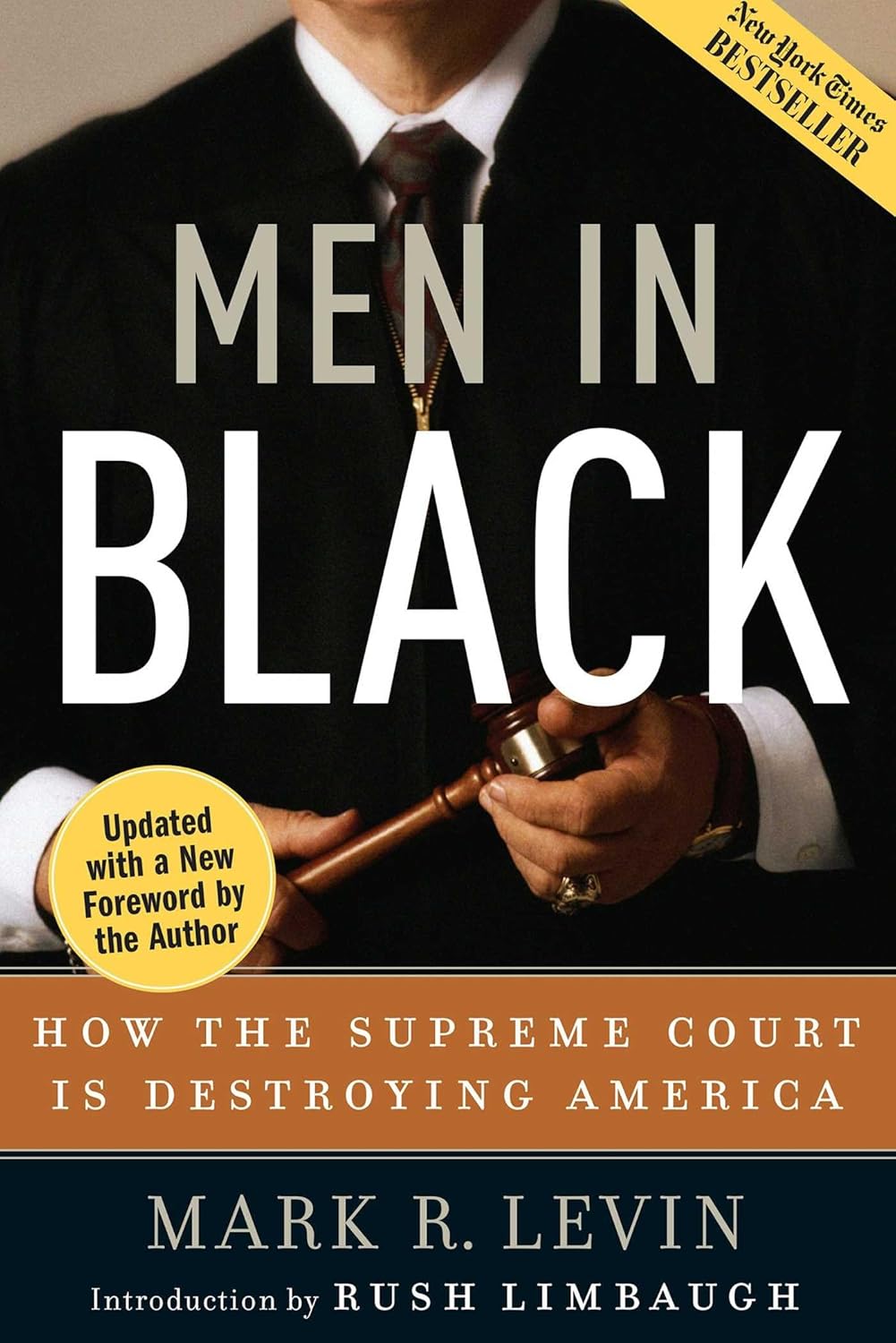
Kirk celebrates the Supreme Court's recent decision, noting it represents a lagging indicator of fights that happened generations ago. He credits the reversal to 40 or 50 years of prayer and fasting from churches and leaders including Pastor Tommy, Billy Graham, Rush Limbaugh, Antonin Scalia, and Phyllis Schlafly. He acknowledges that important victories take years to achieve, noting that these leaders are now smiling from heaven, vindicated in their persistence.
Kirk proposes a two-part test for churches regarding the Roe v Wade reversal: First, did the pastor mention it happened? Second, is the church now stepping up to expand services, charities, and nonprofits to support women bringing life into the world? Dream City Church passed both tests. He emphasizes that Christians must now support organizations like Choices in Arizona with time, treasure, resources, and prayer.
Evidence from Texas and the Church's Opportunity
Kirk shares data from Texas showing that when the six-week abortion ban went into place, abortions decreased by 70 to 80 percent, debunking the claim that outlawing abortion doesn't decrease it. He frames this as one of the greatest evangelistic opportunities the church has ever had—to welcome and support women without judgment or condemnation.
He credits the appointment of Supreme Court justices Amy Coney Barrett, Neil Gorsuch, and Brett Kavanaugh to someone who lived a colorful life from New York City, once pro-choice himself, who came down a golden escalator and actually did what he said he would do. Kirk notes that God can use anybody for any reason, and these appointments bore fruit in protecting the unborn.
Introducing Frank Turek
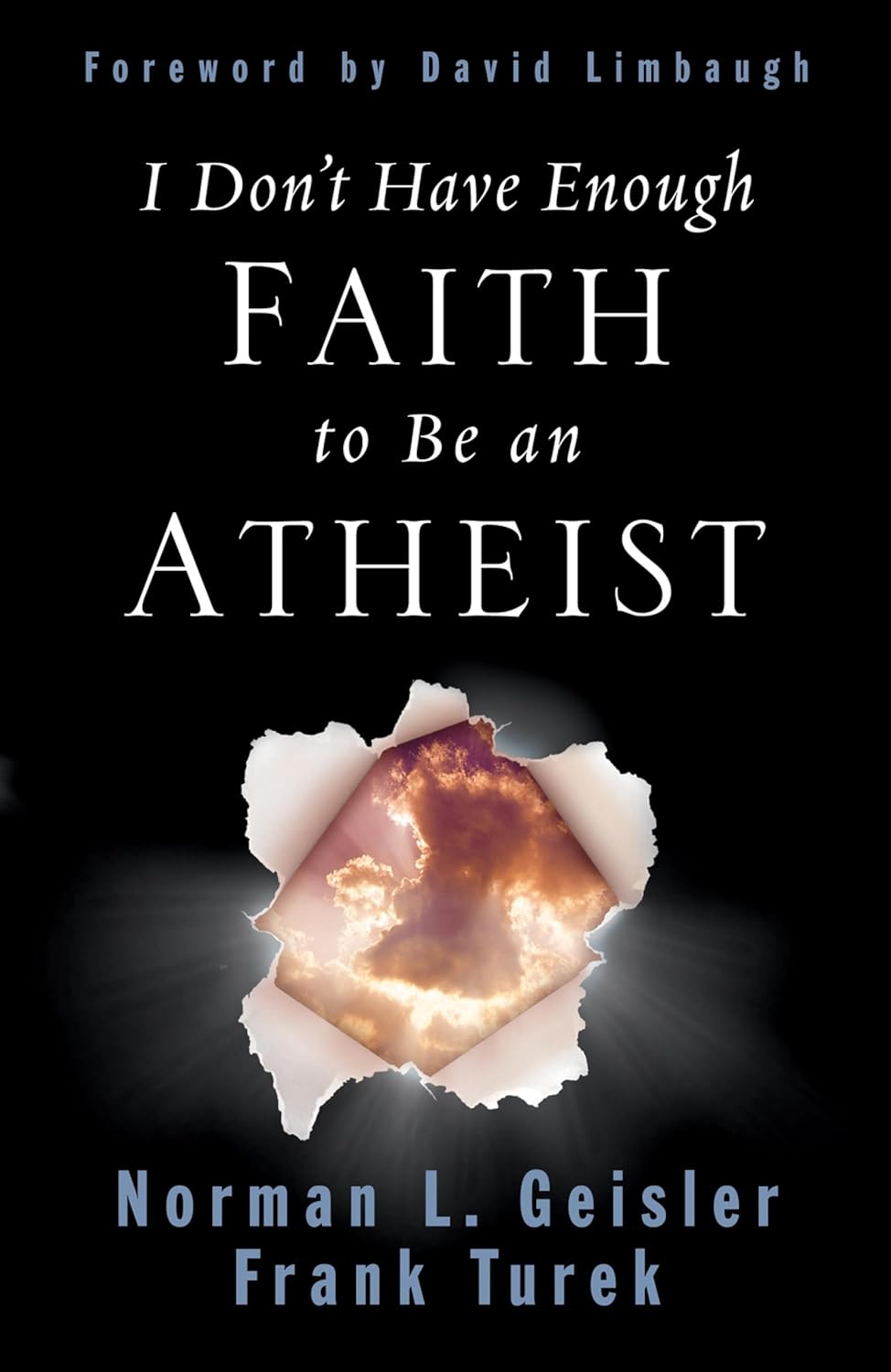
Kirk introduces Frank Turek, explaining how he first discovered him on local television in Spokane, Washington, while staying in a hotel after speaking at Washington State University. Turek was presenting an articulate case for why atheism is irrational and making the case for the resurrection. His entire podcast and show is called "I Don't Have Enough Faith to Be an Atheist," which is also the title of his book.
Turek visits college campuses taking questions about Christianity and atheism, making him one of the most gifted apologists of our time. He has a new book called "Hollywood Heroes" and regularly exchanges texts and dinners with Kirk.
The Rational Case Against Atheism
When Kirk plays devil's advocate asking why atheism isn't reasonable, Turek explains that atheists now claim they simply "lack a belief in God" to avoid the burden of proof. He responds by asking them directly: Do you agree God exists, disagree, or not know? They always admit they don't know, revealing they're actually agnostic.
Turek argues that we know God by His effects, reasoning from effect back to cause just as scientists do. The universe exploding into being out of nothing requires a cause that is spaceless, timeless, immaterial, powerful, personal, and intelligent. When audiences consider these attributes, they naturally think of God.
He acknowledges this could initially be any generic god, like what Thomas Jefferson referenced in the Declaration of Independence. But continued investigation of evidence, particularly for the resurrection, reveals this is the same being who walked out of the tomb 1,989 years ago and in whose divine nature created the universe.
The Truth Quest Versus the Happiness Quest
Turek shares that when encountering hostile atheists on college campuses, he asks: "If Christianity were true, would you become a Christian?" Atheists have stood before hundreds of people and answered no. This reveals they're not on a truth quest but a happiness quest, believing whatever they think will make them happy.
The problem, Turek explains, is that pursuing happiness without truth works short-term but leads to disaster long-term. True contentment and happiness only comes by going straight through truth, and Jesus is the truth. Most people looking for God are like criminals looking for a cop—they're not actually interested.
Turek conducts an audience survey asking people to think of someone they'd like to see become Christian, then asks whether that person is on a relentless pursuit of truth or apathetic and hostile. The overwhelming majority indicate apathy or hostility. His advice: love them, pray for them, plant seeds, and wait. When tragedy strikes—and it will—your phone will ring, because they won't call their atheist friend who can only say there's no rhyme or reason to life.
Addressing Subjectivism and Relativism
Kirk identifies subjectivism as a virus infecting young minds, referencing C.S. Lewis's warnings about this danger. Young people return from college saying "that's my truth" or "everyone has their own truth." This underlies the transgender movement's claim to different material truths.
Turek responds by pointing out that "there is no truth" is itself a self-defeating statement. If someone says there's no truth, ask if that's true. If they say all truth is relative, ask if that's a relative truth. If they say "I have my truth and you have your truth," ask if that's the truth. These statements defeat themselves by failing to meet their own standards.
There's no such thing as "your truth" or "my truth"—there's just the truth. Claiming to have your own truth is like claiming to have your own math. The idea is currently running the government, but it's still absurd.
Judging Rightly
Turek addresses the common objection "don't judge" by noting it's itself a judgment. Jesus didn't say don't judge—He said "judge not lest you be judged by the same standard." Before removing the speck from your brother's eye, He calls us hypocrites and tells us to remove the log from our own eye first, then we'll be better able to help our brother. This is a command on how to judge, not a prohibition against judging.
The people telling us not to judge are often the most judgmental people in society. Turek jokes about the warm welcomes he receives at Berkeley, Stanford, and Boulder.
Moral Law Requires a Moral Lawgiver
Kirk asks about the societal and moral implications of not believing in God or absolute moral law. Turek explains this is another effect pointing to God as cause. The moral law written on our hearts—what Thomas Jefferson called self-evident and Paul described as written on Gentile hearts—points to a moral lawgiver.
Without God, nothing is ultimately right or wrong. Everything becomes opinion—your opinion against Hitler's or Putin's. But we know murder and rape aren't matters of opinion. They're objectively morally wrong, which means there must be a standard of rightness defining goodness, with deviations from that standard being evil.
Turek considers this the most powerful argument for God's existence today because everyone—atheist, agnostic, Christian, Muslim—believes certain things are morally right and wrong.
The Reality Crisis
Kirk describes an entire generation plagued by inability to differentiate real from unreal, living in what he calls a "plague of imagination versus reality." Young people stare at screens seeing only photons all day—video games, pornography, metaverse interactions with friends who don't truly exist. When they encounter the real world, which isn't as stimulating as video games, their entire neural profile is disrupted.
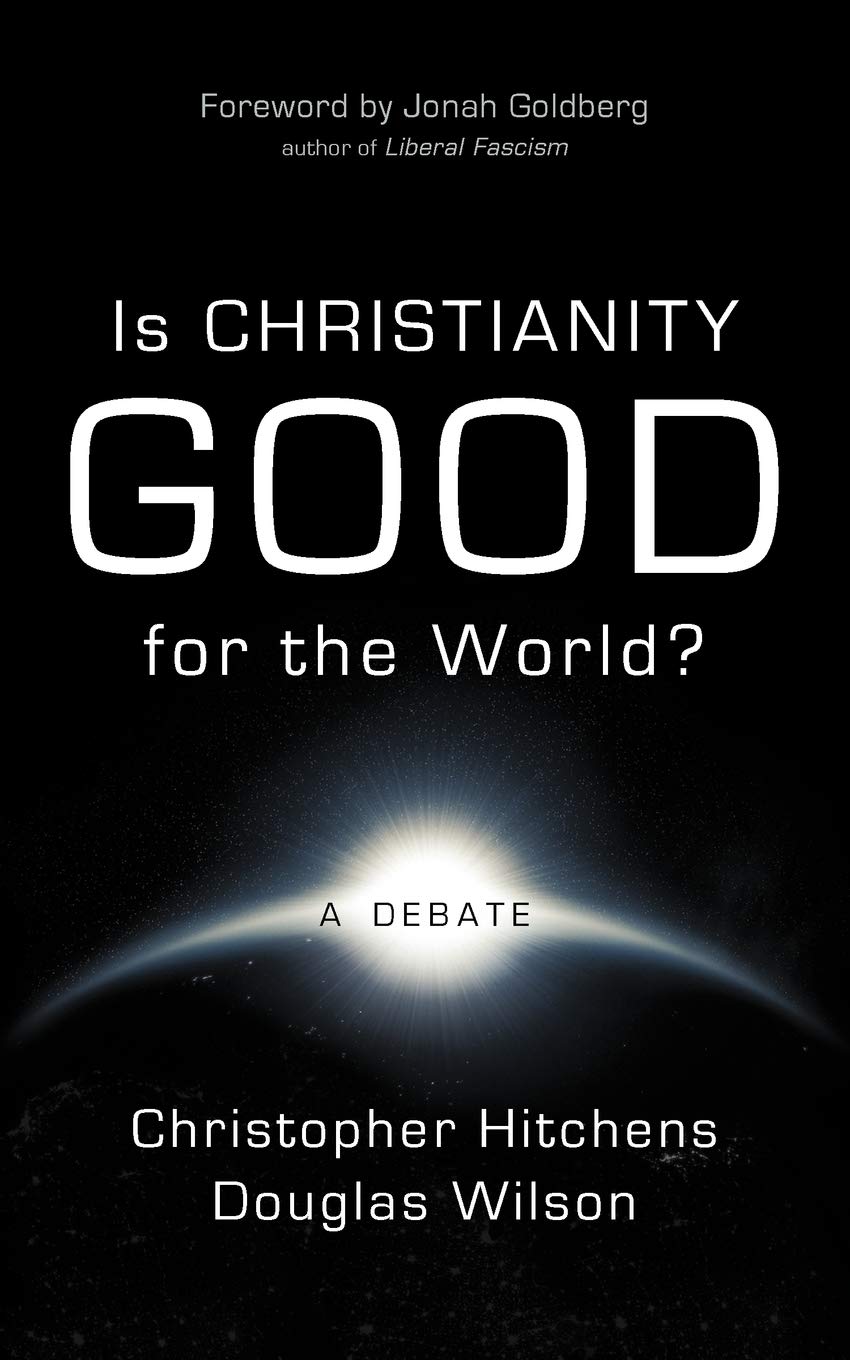
Turek responds by noting many things we believe in we cannot see: laws of logic, the mind itself, justice, love. He references his debates with Christopher Hitchens, the brilliant British atheist who defined love as "a chemical." Turek's response: "Don't say that to your wife." Love is an immaterial virtue grounded in God's nature.
We believe in gravity without seeing it—we see its effects. We believe in George Washington without seeing him because of the effects he left behind. The same is true of Jesus—we believe because of the effects He left behind that are best explained by the God-man who rose from the dead 1,989 years ago.
Addressing Miracles and Biblical Reliability
When Kirk presents the objection that the Bible contains inaccuracies and miracles that seem unbelievable, Turek first asks what evidence they have for inaccuracy. When they cite miracles like Jonah or Noah, he asks if they believe in miracles at all.
The greatest miracle in the Bible is Genesis 1:1—"In the beginning God created the heavens and the earth." If that verse is true, every other verse is at least possible. Even atheists admit evidence for this first verse by acknowledging space-time and matter had a beginning out of nothing.
Miracles must be rare to get our attention. If resurrections occurred routinely, Christ's resurrection would be meaningless. Christianity doesn't require miracles to occur today to be true—if the universe exploded into being out of nothing and Jesus rose from the dead, Christianity is true.
The Reliability of the Gospel Accounts
Kirk asks about trusting Matthew, Mark, Luke, and John despite their age. Turek identifies this as chronological snobbery—assuming old means wrong. If all New Testament manuscripts were stacked, they'd reach over a mile high because scribes meticulously copied them. There's no real doubt about what the originals said.
The more interesting question is whether the originals tell the truth. Here Turek introduces the principle of embarrassment: if something is embarrassing to the author, it's probably true. People lie to make themselves look good, not bad.
The Women at the Tomb
Kirk highlights that women discovered the empty tomb—a detail that validates the Gospels' truthfulness. Turek explains that the New Testament is filled with embarrassing details the authors never would have invented. The male writers depict themselves as cowards who ran away, while women bravely went to the tomb.
No man inventing this story would write that he was hiding in fear while women discovered the empty tomb. In that culture, women's testimony wasn't considered equal to men's. If fabricating the story, only men would be first witnesses. That all four Gospels say women were first—including formerly demon-possessed Mary Magdalene—proves they're not making it up.
Turek shares a woman once told him Jesus appeared to women first because He wanted to get the story out. Men come home from work and say little—there could be a nuclear explosion and he won't mention it. You'll see it on the news before hearing from him.
Debunking Alternative Theories
Kirk presents alternative theories: Jesus wasn't actually dead, His body was stolen, or it was a vast conspiracy. Turek quotes Justice Antonin Scalia's sarcastic comment about the "bumbling evangelists" inventing the resurrection to get themselves martyred—highlighting the absurdity.
Why would disciples steal the body and claim resurrection to get themselves kicked out of synagogues, beaten, tortured, and killed? Roman guards were on duty, and their explanation—disciples stole the body while guards slept—is absurd. First, sleeping on watch meant execution. Second, how would sleeping guards know what happened? Third, why steal the body only to die for a lie?
The Bias Objection
Addressing claims that New Testament writers were biased believers, Turek notes all were Jews (except Luke) who believed they were God's chosen people. Why would they invent a resurrection story they didn't believe possible? They considered claiming to be God blasphemy and didn't believe in mid-history resurrection—only end-time resurrection per Daniel 12.
Jay Warner Wallace, a cold-case homicide detective who's been on Dateline more than any other detective, applies his skills to Jesus's death in "Cold Case Christianity." He identifies only three murder motivations: sex, money, or power. Did the apostles get popular with women? No. Money? No. Power? No—they were persecuted. Paul had power as a Pharisee but lost it becoming a believer. Why say it was true if it wasn't? Because it really happened.
Christianity Preceded the Bible
Turek makes a striking point: Christianity isn't true because documents we call the Bible say so. Christianity would be true if the Bible never existed. Thousands of Christians existed before one New Testament line was written because they witnessed the resurrected Jesus and wrote it down later.
Christianity didn't originate with a book but with an event—the resurrection. The New Testament writers didn't create the resurrection; the resurrection created the New Testament writers. They went to their deaths saying it was true.
Legislating Morality, Not Religion
As the discussion shifts to political implications, particularly after the Roe v Wade reversal, people claim "this is not a theocracy" and "you can't impose your religion." Turek clarifies: we're not imposing religion or legislating where, when, how, or if to worship. We're legislating morality, and all laws legislate morality—every law declares one behavior right and the opposite wrong.
The claim that women have a right to abortion is itself a moral position. On abortion, Turek offers the shortest response: "If your solution to your problem is a dead baby, you have the wrong solution." There is never a solution if it requires a dead baby.
Truth Versus Power
Kirk asks about the death of God and its political implications, particularly regarding socialism and totalitarianism. Turek explains that without self-evident truths grounded in our Creator, there are only two ways to govern: by truth and principle, or by power.
The left governs purely by power, not principle. They will shut down debate and impose their will because they can't defend their view. Without God and self-evident truths, there's no way to say anyone has a right to anything—everything is opinion. So they impose their opinions using power.
Question and Answer: Teaching Children Biblical Truth
The children's pastor at Dream City Church asks why it's important to communicate to children that the Bible is true. Turek emphasizes showing why it's true, not just claiming it. He believes the Jonah and Noah stories because Jesus believed them and mentioned them. His personal policy: if someone predicts and accomplishes his own resurrection, he trusts whatever that person says.
It's on Jesus's authority that the Bible is inerrant. Jesus said the entire Old Testament was God's word and promised the New Testament. The whole thing is contingent on Jesus rising from the dead. As Paul said in 1 Corinthians 15, if Jesus hasn't risen, our faith is in vain.
Kirk adds that learning biology and physics strengthened his faith. The complexity of human design makes unintelligent design patently insane. Our systems—brain, conscious and unconscious mind, autonomous functions like digestion, breathing, blood flow, heartbeat—working together without conscious thought is miraculous. Saying this came through accident or dice roll isn't just illogical.
The human being itself is the great miracle standing in front of us that we're choosing to ignore. If this can be designed, then the Red Sea can part, water can be walked on, disease can be cured.
Reaching Grandchildren When Parents Don't Believe
A grandmother asks about teaching grandchildren about Jesus when the parents aren't interested. Turek acknowledges this is difficult, suggesting talking more to the parents. He quotes C.S. Lewis: Christianity is either the most important fact in the universe or it's irrelevant—one thing it can't be is moderately important.
If Christianity is true—if Jesus rose from the dead and trusting Him means forgiveness and eternity with loved ones—what could be more important? If it's not true, it's irrelevant. Turek asks people, including his own kids, "If it were true, would you become a Christian?"
The problem is that even homes with fathers present see average teenage boys spending only 30 minutes weekly in meaningful conversation with fathers while spending 44 hours watching TV, surfing the internet, or playing video games. Which has more influence? Parents must make concerted efforts using resources from crossexamine.org, TPUSA Faith, and Dream City schools.
The Dopamine Crisis
Kirk addresses what he calls the dopamine crisis affecting young people. He's received thousands of emails about depressed, anxious kids and grandkids. Beyond spiritual dimensions, there's a chemical component being missed.
Dopamine is God's reward chemical meant to incentivize pushing harder and working harder. It's released through chocolate, cocaine, amphetamines, highly addictive video games, pornography, or social media fantasy. Fourteen to sixteen-year-olds have baseline dopamine release so altered they think they're living in a depressed state.
Their brain patterns are identical to 30-year-old burned-out drug addicts. They're handed digital pacifiers without realizing their entire risk-reward and purpose mechanisms are being completely burnt out.
Kirk encourages grandparents to be disagreeable if necessary. Those are your grandkids—offend your kids if needed. Grandparents can save a grandchild's life. Be the sweet one who gives candy, but profess truth. When chips are down and grandchildren need advice, they'll come to grandparents' house, not parents', especially when parents are teaching garbage. Always preach truth.
Navigating Social Justice Courses
A student at Grand Canyon University asks for advice on a required course called "Social Justice for Educators." Kirk expresses disappointment that GCU has "gone off the reservation," noting he's tired of them getting a hall pass when they've become very woke.
He explains that social justice is a Trojan horse. There's only justice to God—not environmental, racial, social, or gender justice. The worldview divides people into oppressor and oppressed. Courses will teach unbiblical woke terms like diversity, equity, inclusion, and white privilege.
Turek suggests asking three questions for any issue: First, "What do you mean by that?" to get definitions. Second, "How did you come to that conclusion?" to probe for evidence. Third, provide counter-evidence: "Have you ever considered there isn't social justice or racial justice or gender justice—just justice?"
These questions are available on the Cross Exam app (two words in the app store). It's easier to ask questions than answer them. Asking enough questions will drill down until the other person can't support their position because there's no intellectual justification.
Biblical Justice Versus Social Justice
Kirk emphasizes that Leviticus teaches that in dealings of justice, you neither favor the poor nor penalize the rich. Justice is blind—literally why Lady Justice is blindfolded in court proceedings. This biblical principle establishes equality under God.
Every time "social justice" is uttered, it's being used by revolutionaries to bring Marxism, post-modernism, secularism, and critical race theory into classrooms. Instead of tolerating this, we should discuss the Western idea of equality under law.
These courses often teach treating black kids differently than white kids—which is racism in education, not justice. The best way to be just is challenging people regardless of appearance, saying God has a future and prosperity for them, not subdividing them into different brackets based on melanin content.
America at its best always tried achieving that type of nation. Social justice narratives and courses seek to unravel it.
Video Transcript
[Music] i'm sure you're with me i was getting emotional throughout that and as i was watching that i had actually kind of a two emotions going on at once i was moved by the presentation and emotional and i think some of you also were kind of getting angry that our beautiful country is being destroyed in front of our very eyes right i mean that just being very honest with you is just hard to kind of that tension of emotions because what a gift we've been given from the lord honestly to live in this country um and the greatest nation ever to exist in the history of the world and we're gonna change it that's why we're here tonight we're gonna we're gonna take it back but we're gonna make some appropriate changes so i want to i want to touch on a couple things um first of all of course dream city schools check out turning point dream city schools a turning point academy check it out now enrolling students for the fall some super exciting updates uh that will be coming in fact we're about to announce two more branches of turning point academies coming in hopefully in the next days and weeks including homeschool curriculum uh pod schooling curriculum as well as some very exciting new programming that will be done to be able to make it easier for parents to be able to no longer have an excuse our vision for turning point academy nationwide is for parents to no longer say you know what i don't like my local government school but there's no option we want to make sure that the options are always in front of every parent that wants to be able to pull their kid out of government schools that is our vision for what we're doing at turning point academy and angel beat me to it but i what what a incredible last month when it comes to the supreme court we'll talk about this tonight with frank but you know in this kind of news cycle we live in where everything seems so overwhelmingly negative wasn't it remarkable to finally see the supreme court do something courageous and bold and constitutional as well by the way and i would be remiss if i did not mention the people who helped make that possible you see the supreme court is a lagging indicator it's not a leading indicator so the supreme court usually bears fruit of fights that happen generations ago so these are judges that were put in place by prior administrations or justices because of past elections or arguments that quite honestly were won or lost before a lot of us were engaged in the fight and so that decision was the work of 40 or 50 years of prayer and fasting from churches like this one from leaders like pastor tommy from leaders like billy graham leaders like rush limbaugh leaders like antonin scalia and i think it would be a mistake not to mention the multi-generations of warriors like phyllis schlafly who went in the trenches and said you know what this decision can be overturned and we must recognize that it didn't happen overnight how often have we said that here at freedom night throughout the last year big and bold and important things are going to take sometimes years to get done but guess what rush limbaugh and billy graham are smiling from heaven saying i told you guys to keep fighting for that and what's so there's so many things that we must unpack on in this and this shows how incredible the church that dream city is because dream city passed what i kind of put forward as the two-part test of the roe vs wade reversal so the first one is did your pastor mention it happened that's the first thing right most did not most pastors just acted as if it was just another day at church or they said you know i know this is a very difficult issue sorry your pastor it's not a difficult issue okay maybe if you were a secular humanist running some sort of philosophy class at a local university it's a difficult issue not difficult for a pastor right we're made in the image of god life is sacred it needs to be protected period every pastor needs to say it and so that's the so there were a lot of pastors that passed the first part but the second part is equally as important which is we now need to step up and recognize and realize those of us that have been advocating for an end to abortion in america need to expand our services our charities our nonprofits like the dream center to be able to equip and empower and support every woman in america that is now going to be bringing life into this world it's now on us because look the other side they're going to be saying the argument they always make is we need abortion because it's too expensive we need abortion because it's too costly we need abortion because there's no options that's one of the reasons why we partnered with choices here in arizona amazing organization by the way and so now it's incumbent on us as christians to step up to the plate to support these charities even more with our time and our treasure and our resources and our prayer because there is going to be an overwhelming amount of first-time mothers and by the way we know that just because in texas when the six-week abortion ban went into place abortions went down by 70 to 80 percent now mind you this was always an argument that the abortionists made they said you can outlaw abortion but it's not going to decrease abortion it's just a lie actually is when you outlaw things people reconsider it it's like a really weird thing right i know when it's not legal people say well maybe it's illegal for a reason or maybe do i really want to do this and look some people are going to be motivated to go across across state lines that's still going to be you know legal in our country for the time being they'll go to new mexico or california but some people will reconsider it and they'll say maybe i don't want to do this maybe i'll get an ultrasound maybe i'm going to hear a heartbeat and what an amazing opportunity for the church to say welcome to say that we're here to support you we're here to help you judgment-free zone we're not going to condemn you we're not going to speak harshly to you i think it's one of the greatest evangelist opportunities the church has ever had to be able to support the people that need the support and so i just want to encourage us to lean into that moment and so that's the two-step test and dream city passed both of them i was watching very carefully you could see a lot some of these um wokey pastors right they uh they would tweet stuff out that was just so amazing and i won't say any names i promise i won't but um they were like you know nowhere in the bible does it say abortion is wrong like yeah nor the bible does it say dropping an atom bomb on berlin is wrong but you kind of deduct that from thou shalt not murder right i mean that's probably pretty obvious i knew you before you in the womb or very basic things and basically what it comes down to is courage and this issue has always made some people cowardly that we're going to offend others that we are not going to be able to win people over and in fact the data showing the opposite the data is actually showing this nation is becoming more pro-life that it's actually showing that that the more we talk about this issue the more converts we actually make and so the only argument they ever had was my body my choice after the vaccine mandate thing i don't take them seriously anymore i just i'm sorry we're done like the whole bodily and by the way it's a silly argument it's not your body okay it's somebody else's body separate dna not your choice but still that was the one kind of compelling nature of the whole thing and i think we saw in the reaction which was so amazing and a compliment to all of you and an encouragement that i think more victories are going to come in the years and decades to come is that the the hours after the decision of the reversal we won the narrative war i totally anticipated us losing the narrative war by the way but they started to put people on television saying you know why we need abortion because special needs kids are hard to raise literally anna navarro goes on cnn and saying that or they say you know what we need less people on earth really and so they just kind of completely imploded and it's a very interesting issue because it it mixes biology science morality metaphysics emotion and so i just want to just encourage everybody because there will be some people say charlie stop talking about this issue it's a losing issue i ca first of all who cares it's right or wrong i don't take a popularity test of that but even if that that's actually not true though that's the point is that it happens to be the lie of the enemy where the nation is now more pro-life than ever before the more people learn about it the more people say you know what this is wrong and we have to put an end to it and so if it was not for active churches like dream city it's very important it was not for active churches like dream city throughout the years this never would have got done but also we need to make sure we understand it if it wasn't for somebody else this would not have got done and i know everyone has different opinions of this individual but this is a fact and you don't have to like what i'm about to say okay you don't have to like it but if you like babies and you like the unborn then this is a fact that um how do i put this someone who lived a colorful life from new york city who was once pro-choice himself who once supported planned parenthood god had a call on his life for maybe just one or two or three reasons but to go down a golden escalator and win an election he was not supposed to win and again you don't have to like the guy i'm not i'm not saying you have to like it it's a fact of life that god can use anybody for any reason and he did a highly suspicious thing he actually did what he said he was going to do i know we're not used to that makes us all very freaked out right and we got amy coney barrett neil gorsuch and brett kavanaugh and and i want to say kavanaugh's ruling on immigration was somewhat disappointing but if you survive an assassination attempt on your family and you still rule correctly on roe v wade that's worthy of appreciation and applause it really is that's that's courage so it's a big moment for the church we must now step into this and help the people that need our help and see this is a great opportunity i'm going to tell you about our guest tonight so i first became aware of our guest when i was in a hotel room in spokane washington we were talking about spokane earlier i just got done speaking at washington state university in pullman which is far uh not far but it's it's a ways from spokane and i turned on local television and there was this incredibly articulate presenter talking about how atheism is actually irrational talking about the case for the resurrection i've never heard of any of this before i said who is this guy so i started look up his youtube videos i was so moved by it and actually his entire podcast and his show is called i don't have enough faith to be an atheist in fact that's the name of his book i don't have enough faith to be an atheist and so he does what i do but just a little bit differently he goes to college campuses and takes questions all about christianity all about atheism and he is one of the most gifted and charismatic apologists of our time someone who makes the case for christianity he also has a new book out called hollywood heroes which is terrific i'm actually gonna freak out frank on our show tomorrow to talk about this on our radio program and our podcast and i've got to know frank over the last year year and a half um pretty well and we trade texts and have dinners every so often and do um just kind of are there for one another and i deeply appreciate it but i think you're going to be really moved by the rational case for christianity and this is something that we don't always present which is the archaeological evidence the rational evidence the natural law evidence of how if you look at things even supporting the bible that it confirms biblical truth themselves so please join me in welcoming the incredible frank turek thank you guys charlie kirk ladies and gentlemen right here charlie kirk so um talk about articulate huh right here very kind so frank welcome we've been talking uh for a while to get you out here i'm so glad it worked uh sorry about the weather but it's actually a cool day today so so frank let me play devil's advocate it is reasonable and rational to be an atheist there's no evidence for god what do you mean you have no faith to be an atheist faith is for you religious people well first of all you're wrong uh the atheists are now saying things like um i just lack a belief in god have you heard this yet when atheists will say i lack a belief in god that's their new way of saying that you have faith and i don't and i simply ask them this question here's a proposition god exists do you agree with that proposition and if you do then you're a theist do you disagree with that proposition in that case you're an atheist or don't you know you're an agnostic you know what they always say i don't know i said what's all this lack of belief stuff you just don't know whether it's a god or not i think there's evidence for god can we go into some of that so so yeah let's get into that frank what evidence could there possibly be for god i've people say i've never seen god i can't i can't touch god what evidence could there possibly be if someone ever asks you why do you know that god exists i think you ought to say this i know god by his effects in other words there are effects of god everywhere and what we're doing just like a scientist does when they're trying to figure out what particular cause caused a particular effect their reasoning from effect back to cause so let's go through a few effects first of all the universe is in effect the universe exploded into being out of nothing once there was nothing and then the entire space-time continuum left into existence what could have caused space time and matter to come into existence the only thing i think that could cause space time and matter to come into existence is something that is spaceless timeless immaterial powerful to create the universe out of nothing personal in order to choose to create because to go for to go from nothing to a state of creation someone has to make a choice and only persons can make choices the cause would also have to be intelligent to have a mind to make a choice so i always ask audiences i say when you think about a spaceless timeless immaterial powerful personal intelligent cause who do you think of who do you think of god you say well how do you know it's the christian god and my answer is we don't yet we haven't done enough research yet this could be allah at this point charlie this could just be a generic god that say thomas jefferson talked about we hold these truths to be self-evident he didn't mention it was jesus he just said a creator but if we keep looking at the evidence we're going to realize that the same being that walked out of the tomb 1989 years ago is the same being in whose divine nature created the universe out of nothing but we have to look at the evidence for the resurrection for that so that's one effect yeah and so we'll get deeper into this frank but i think that the argument for atheism is so patently insane the only way that someone could be an atheist or believe atheism is because they want to believe it yeah they don't want to believe in god or christianity in fact here's a question i always ask people on college campuses charlie goes to a lot of college campuses as i do as well and if i if during the q a there's an atheist or a non-believer at the microphone and if they demonstrate any hostility at all i'll normally ask this question if christianity were true would you become a christian i've had atheists stand at that microphone in front of hundreds of people and say no no wait you claim to be reasonable i asked you if something were true would you believe it and you say no how's that reasonable how's that rational it's not the problem is in here the problems here they don't want it to be true they don't want there to be a god why because they want to be god of their own lives they're not on a truth quest ladies and gentlemen they're on a happiness quest and they're just going to believe whatever they think is going to make them happy here's the problem you can make yourself happy over the short term at college maybe but over the long term it's a disaster if you just try to do stuff that's going to make you feel good it's going to help you in the short term but over the long term it's a disaster and everyone in this room and watching out there who's over 40 knows what i'm talking about and charlie who's well beyond his years already knows it too because if you just try and make yourself happy without regard to other people you're gonna wind up depressed lonely full of anxiety the only way to get true contentment and happiness is to go straight through truth and jesus is the truth amen now let me mention one other thing regarding this i found that most people are looking for god like a criminal is looking for a cop they're not interested so you always need to stop and ask them if christianity were true would you become a christian in fact can i do a little survey here is it okay do a little survey i want you uh ladies and gentlemen to think of somebody you know who's not a christian whom you'd like to be a christian everybody got somebody i don't point at them all right okay here's my question about the person you're thinking of is the person you're thinking of on a relentless pursuit of truth they want to know if christianity is true or are they apathetic or maybe even hostile to christianity how many people say the person i'm thinking of is on a relentless pursuit of truth they want to know if christianity is true because your hands please two two how many people say the person i'm thinking of is apathetic or hostile okay look around the room ladies and gentlemen people are not interested you know what you do with such people you love them you pray for them you plant seeds and then you wait because what's going to happen happens to all of us someday a tragedy is going to going to occur and your phone is going to ring and that person is going to be on the other end they're not going to call their atheist friend when things go wrong what's the atheist going to say there's no rhyme or reason to life this stuff just happens no they're going to call you when the student's ready the teacher will appear if they're ever going to be ready it's when tragedy strikes so frank one of the kind of i i would say idea pathogens that is infecting the minds of our nation's young people is the virus of subjectivism or subjectivity and it's nothing new it's been around for quite some time the great c.s lewis and i encourage all of you to read c.s lewis at least once a year screw tape letters miracles mere christianity narnia is great to read to your kids and grandkids super biblically based abolition of man which is terrific c.s lewis is almost an unlimited reservoir of wisdom here but he really pinpointed the danger in subjectivity so the best way that we could describe subjectivity is what you'll hear in a college campus and maybe from your grandkids when they come back from a semester on a college campus that you're going into debt to go pay for is when they come home and they say no that's my truth and everyone has their own truth now mind you this isn't what's the heart of the transgender movement isn't it yes that i have a different material truth than you do and that we can't have any sort of agreed upon precepts so frank what would be the proper response when someone says okay no but i have my own truth i have my own beliefs i chart my own course my own destiny there's no such thing as truth everyone has their own story they tell themselves in fact nothing is absolutely true yeah great question when somebody says there is no truth you ought to ask them is that true is it true that there's no truth because if it's true that there's no truth the claim there is no truth can't be true but it claims to be true did i say that right i know that can give you intellectual constipation if you think about it because this is known as a self-defeating statement a self-defeating statement doesn't mean its own standard if i were to say i can't speak a word in english what would you say you just use english to say it when people say there is no truth or they say there are no absolutes they're uttering self-defeating statements they're saying it's absolutely true there are no absolutes is that an absolute if they say all truth is relative what are you going to say is that a relative truth no it's an objective truth when people say i have my truth and you have your truth there is no the truth you want to ask them is that the truth that there is no the truth do you see the problem it defeats itself actually when people say they have their own truth you might as well say to them i know this is not popular in today's culture but there's no such thing as your truth or my truth there's just the truth i mean if you're going to say you have your own truth you might as well just say i have my own math i mean imagine if charlie were to hire me to do something he said hey frank i'll give you 15 an hour do the job and then let me know what i owe you so i i work for 10 hours and i come to charlie i go charlie it's great great working for you here at tourney point usa i've worked for 10 hours and you said 15 an hour so you owe me 15 000 charlie's gonna say what i don't know you have fifteen thousand i owe you 150 and i go oh no you don't understand i have my own math all right no now frank in all fairness this is the idea that's running our government right now so this is not an outrageous proposition no it's silliness to say you have your own truth there's just the truth not your truth not my truth it's self-defeating to say there's no truth it's like when people say don't judge what should you say to him well then why are you judging me for judging see it's a judgment jesus didn't say don't judge he said judge not lest you be judged by the same standard you you judge others you'll be judged by that standard so before you try and take the spec out of your brother's eye you hypocrite which is a judgment you notice that you hypocrite take the log out of your own eye first and then you'll be better able to help your brother is this a command not to judge no it's a command on how to judge he's telling you to take the spec out of your brother's eye that involves making a judgment he's simply saying don't judge hypocritically if you've got that problem fix it then go help your brother it would be completely ridiculous to say don't make judgments why the people who are telling you not to make judgments they're the most judgmental people in society charlie deals with them all the time they give me such warm welcomes when i go to berkeley i have to tell you they just love hearing from me you went to you cal berserkly yeah i multiple times you did uc berkeley stanford boulder um so frank let's talk about the moral implications if there is no god and so i feel as if we're living through the beginning stages of this moment right now in america because if everyone gets to determine their own truth and determine their own morality well then who's to say what is right or wrong why should children not be exposed to highly pornographic material what difference does it make who's to say my truth says differently what are the societal moral implications when you do not believe in first a god or at least a moral giver or a moral law that is absolute and not something that is relative well this is another one of those effects that i mentioned earlier when someone says how do you know god exists you're reasoning from effect to cause so we've reasoned from the effect known as the universe back to a spaceless timeless immaterial cause now when we get a moral law written on our hearts that say thomas jefferson would say is self-evident that the apostle paul said the gentiles have the law of the law written on their hearts that's from romans chapter two these laws that are pressing on us are effects the question is what caused these effects the effect for a moral law is a moral law giver so we're reasoning from effect back to cause and so that's another way we know that god exists here's the the ugly truth if there is no god then nothing is ultimately right or wrong everything's just a matter of opinion it's just your opinion against say hitler's opinion it's just your opinion against putin's opinion whoever you think is evil it's your opinion against anyone that says something is right or wrong if there's no god everything's just a matter of opinion we know murder is not just a matter of opinion we know rape is not just a matter of opinion we know that those things are really objectively morally wrong and if they're objectively morally wrong there must be a standard of rightness that defines what goodness is and any deviation from that standard would be what we would call evil like murder or rape or theft or whatever those things are in fact i think it's the most powerful argument today for the existence of god because no matter where you go charlie whether you're dealing with an atheist an agnostic or a christian or a muslim whoever you're dealing with they think certain things are morally right and certain things are morally wrong and so frank i think we're starting to you see in our society an entire generation that has been plagued by the inability to differentiate what is real and what is not and i i it's a it's a term that i'm workshopping but it really is kind of this plague of the imagination versus reality what do i mean by this you have a generation that is staring at screens where they just see photons all day long where whether it be video games or hyper graphic pornography or just talking to friends that quite honestly don't exist in the metaverse and then they have to come into the world that isn't as stimulating as that video game and their entire neuro their entire neural profile is completely messed up and they ask the questions what is even real and this is where they say well i know god for sure is not real because i can't see god like i can see the video game in front of me i know this is a silly and elementary argument but can you just for a brief second talk about how silly the argument is when people say i can't see god therefore god does not exist yeah well there's a lot of things you can't see that you believe in for example you believe in the laws of logic you can't see them touch them taste them but you're using them right now you believe in your mind have you ever seen your mind you're using it right now you believe in justice have you ever seen justice oh you may have seen people being treated justly or unjustly but you've never seen justice in itself because justice is not a physical thing you see you believe in love have you ever seen love oh you may have seen people love you may have loved but you've never seen love in itself in fact years ago i had a debate couple of debates with christopher hitchens you remember christopher hitchens he was a brilliant british atheist who sounded more brilliant than he was because he had a british accent yeah i used really big words anyway in one of our debates someone from the audience a student at the college of new jersey asked christopher christopher what is love and christopher being a materialist meaning all he believed that existed were molecules in motion he had to come with come up with a materialistic answer for love so he thought about it for a minute and he said love is a chemical and i said to him christopher don't say that to your wife honey do you love me yeah why because i got the chemical you know today i have it maybe tomorrow i won't no love is not a chemical yet you believe in it because it's part of the nature of reality it's an immaterial virtue grounded in the nature of god by the way here's another thing you you believe and you've never seen gravity oh frank there's gravity right there right that's the effect yeah you're not seeing gravity you're seeing what the effect you're seeing the effect of gravity you know we don't even know what gravity is you realize that you're not seeing gravity you're seeing the effect of gravity you've never seen george washington yet you believe in him why because he's left effects behind that are best explained by a man who lived from 732 1732 to 1799 he's left effects behind some of them are behind us right now that cause you to believe that this man existed even though you have never seen him same thing is true with jesus you you may you haven't seen jesus physically but you believe he existed because he's left effects behind that are best explained by the god man known as jesus who rose from the dead 1989 years ago now that's a perfect segue frank so some people say okay frank i agree with you but i'm spiritual okay i'm not religious and this is kind of a new phenomenon amongst a lot of our nation's young people that say okay i believe in a god but i believe in a unitarian god or a buddhist god and the bible it's full of inaccuracies and jesus has been debunked and what evidence is there frank i mean come on these are old manuscripts and they were written by people that wanted it to be true to confirm old testament prophecy how could you frank the hyper rational person believe in such a thing like that when people say things like this first of all there's like eight different objections in there thank you you're welcome frank you have thank you you've got to narrow it down first thing you want to ask is when they say something like this is first of all what do you mean the bible has been proven inaccurate what what evidence do you have that it has they they typically might say something like i mean come on you're trying to tell me you'll be swallowed by a whale sometime soon they'll take some of the more um let's say miraculous okay um interventions of god that you and i believe so you know so i might ask so you don't believe in miracles why not uh because i've never seen such a miracle is what they would say or they'd say it defies the laws of nature okay and then i would ask um this universe that you're living in this universe is a miracle do you do you know that i mean you don't believe in miracles this universe is a miracle it exploded into being out of nothing which is by the way why when people say they don't believe in miracles i normally say look around you're living in one but i also ask them what is the greatest miracle in the bible and normally they'll say something like jonah or noah or the resurrection and i'll go no the greatest miracle in the bible is the first verse in the beginning god created the heavens and the earth if that verse is true ladies and gentlemen every other verse is at least possible i mean if it's true that god created the universe out of nothing can he raise jesus from the dead can he do the jonah miracle the noah miracle can he part the red sea can he turn water into wine these things are easy if the first verse of the bible is true well here's the interesting thing ladies and gentlemen even atheists are admitting the evidence for the first verse they're admitting that space-time and matter had a beginning out of nothing if space-time and matter had a beginning out of nothing now they don't think it's god but what else could it be it's got to be a spaceless timeless immaterial powerful personal intelligent causes we mentioned earlier if that is true every other verse in the bible is at least possible and when people say well i haven't seen a miracle i said you shouldn't expect to see a lot of miracles if any why because miracles by definition have to be rare if they're going to get our attention if miracles were occurring all the day all the time we wouldn't consider them miracles we'd say hey this stuff just happens all the time well and think about the miracles that do happen that we take for granted oh yeah like life or our ability for all of our organs to work without us having to consciously think about it right for your pancreas and your liver and your heart and breathing while you sleep these are miracles inexplicable and we don't we don't even talk about it in fact it's evidence of that you're exactly right in fact how many people in here and every mother should raise your hand how many people in here have seen their own flesh and blood born some of the dads too right now when you see your own flesh and blood come out of another human being or yourself you don't go evolution right you go this is amazing how does this happen now it happens every day and we don't call it a miracle but to charlie's point in fact a biologist ariel roth once said god never did a miracle to convince an atheist because his ordinary works provide sufficient evidence like birth childbirth but let me go back to the point about miracles they have to be rare imagine if resurrections occurred routinely what would the resurrection of christ mean to us nothing you go to some guy and you go hey jesus roasting the dead to prove he was god and the guy goes so what uncle leroy just rose from the dead two weeks ago right now i gotta give the inheritance back no it's gotta be a rare event if it's gonna get your attention so miracles if they first of all let's clear up one thing i believe miracles occur today but they don't have to occur today for for christianity to be true there doesn't have to be one miracle since jesus and the apostles for christianity to be true so some atheist says well i got to see a miracle believe in christianity no you don't first of all the universe exploded into being out of nothing secondly jesus rose from the dead there's great evidence for that if those two things are true christianity is true mark it down and so frank some of the other objections i'll try not to put eight in a box is how can we trust matthew mark luke and john is that we're told if it's old it's unreliable from a historical standpoint how accurate how exceptional are the first manuscripts that we have of matthew mark luke and john well that's called chronological snobbery that's a c.s lewis uh point where he says just because it's old doesn't mean it's wrong in fact we got to get back to the old that's what we're doing here at the dream uh dream city church right with the turning point academy what do you call in the academy by the way dream city christian a turning point academy turning point academy okay we're going back to the classics ladies and gentlemen and stack them up they would be about four feet high if you were to take all of the manuscripts for the new testament and stack them up they would be over a mile high because the scribes copied the new testament and of course the old testament scribes copy the old testament the jewish scribes did we know what the original said there's no real doubt there the bigger question is how do we know the original is telling us the truth that's the more interesting question we can deal with that if you want and just an interest i want to dive in on one point that for me was super um let's just say persuasive when when the gospels go through the story of jesus being you know discovered post-resurrection who discovers him and why does this actually validate the truth of the gospel if you were trying to create a lie this would be the dumbest lie you've ever created yeah this is a great point charlie we have it in both books i don't have enough faith to be an atheist and phenomenal heroes really good um there's something known as the principle of embarrassment it goes like this if there's something embarrassing to the author or authors it's probably true why because you're not going to invent things that make you look bad you might invent things that make you look good but not bad in fact let me ask you guys a question how many people in here have ever lied to make yourself look good if you don't have your hand up right now you're lying to make yourself look good and it's not working we know you're lying all right how many people in here have ever lied to make yourself look bad yeah you don't do that you might lie to make yourself look good but you don't lie to make yourself look bad now the new testament documents and this is true the old testament as well but the new testament documents are filled with embarrassing details they never would have invented charlie just mentioned one of them first of all the new testament writers depict themselves as cowards right they run away at the crucifixion and who are the brave ones that go down to the tomb and discover it's empty the women that's right ladies you can give yourselves a hand i am woman hear me roar now who wrote the new testament documents down men now what man is going to invent that he was hiding for fear of the jews why the women went down and discovered the amputee would any man in here invent that no if i was inventing it i'd make myself look good wouldn't you i mean i'd write down something like this let's see we marched right down there and we overpowered that elite roman guard yeah that sounds good john said get out peter roundhouse kicked him thomas said we'll be back no doubt and then on sunday morning we march right down to the tomb and we saw jesus who congratulates congratulated us on our great faith and then we went and comforted the trembling women right i would never say i was mr pants why the women went down discovered the empty tomb and what charlie's pointing out is in that culture a woman's testimony was not considered on par with that of a man so if you're making up the new testament story you'd only have the men be the first witnesses but all four gospels say the women were the first witnesses which is telling us what they really were as embarrassing as it was to the men and how it didn't help their case at all in fact one of the women was a formerly demon possessed women woman oh gee what a great witness huh she's very credible they're not making this up in fact i had a lady want to come up to me once charlie she said frank i know why jesus appeared to the women first i said why and she said because he wanted to get the story out i said that is an excellent point i had not thought of that because ladies when your man comes home from work does he say much there could have been a nuclear explosion down at the plant he's not going to tell you you'll see it on the news before you hear it from him you'll be watching the news going hey oh yeah i forgot to tell you the nuke blew up i've been hot for three days what's for dinner he's not going to tell you this there's tons of this stuff embarrassing stuff they never would have invented they're not making it up and so it has to be true because it also from it took several women for even to be considered to be true in a court of law and so it actually shows the um authenticity of the gospels so we don't have a lot of time before we go to question and answer but another objection frank and i'll just throw two or three at you is that maybe jesus was never actually killed that he was still alive when he was put in the tomb or the second one his body was stolen by his believers or the third one is that this was kind of a vast conspiracy right so i know that's a lot but let's deal with the conspiracy first in fact it was justice antonin scalia who in one opinion said this we all know that the bumbling apologists or the evangelists these are the people that wrote down the new testament invented the resurrection story in a sinister te in a sinister attempt to get themselves all martyred i mean like why would you invent a story that's gonna get you killed if it's not true it makes no sense at all first of all the empty tomb was empty because jesus came out of it it wasn't because his disciples stole the body why would they steal the body and then say he had risen from the dead again to get themselves kicked out of the synagogue and then beat and tortured and killed that doesn't make any sense there were roman guards on duty and by the way do you know that you know what their their explanation was for why the tomb was empty it was the disciples came and stole the body while the guards were asleep now if you think about that for more than five seconds you realize how stupid that is number one if you're a roman guard on duty and you fall asleep on watch what happens to you you're executed number two if you're a roman guard on duty and you fall asleep how do you know what happened what happened well we were asleep see and while we were sleeping we noticed that the disciples came right down here and no that doesn't make any sense at all and number three why steal the body to get to get yourselves killed in fact here's a really important point we need to make a lot of people say well there are any non-christian writers who talk about jesus and the apostles there are i don't have time to get into it now it's all in the book but you know what the question implicitly assumes quite frequently is that you really can't trust the new testament writers because you know the new testament writers were biased because you see they were believers you only got to look at the non-christian writers to really know what the truth is think about that ladies and gentlemen that is silly why what did the new testament writers who were all jews by the way with the exception of luke luke is the only gentile all the writers of the new testament are jewish believers in yahweh who thought they were god's chosen people why would they invent the resurrection story a story they didn't believe could be true because they didn't believe a man could claim to be god that would be blasphemy and they didn't believe someone could resurrect in the middle of time they knew we would all resurrect at the end of time according to daniel 12 these are things they didn't believe why would they say jesus rose from the dead and claimed to be god if he didn't rise from the dead and didn't claim to be god what did they get out of this you know a friend of mine a mutual friend you may know jay warner wallace he's a cold case homicide detective he's been on dateline more than any other homicide detective because he solves murders decades old he's also written a book called cold case christianity where he applies his homicide skills to the greatest homicide of all time the homicide of jesus anyway he says when he finds a murdered body he says there's only three reasons why that guy's dead not a thousand reasons just three or a combination of these three there was either a sex issue a money issue or a power issue sex money and power are the three things that can motivate people to murder in fact they're the same three things that cause any of us to sin why sex money and power are great things but they're so great that sometimes we'll take shortcuts to get them and so jim says if you're gonna say these writers made it up you gotta find one of those three motivators so let's look at the new testament writers for a minute ladies and gentlemen did the new testament writers the apostles get real popular with the ladies for saying jesus had resurrected from the dead no they didn't get sex did they get money no they weren't on tv asking for money did they get power no they got persecuted paul had power when he was in a pharisee persecuting the church as soon as he becomes a believer he's persecuted they didn't get sex they didn't get money they didn't get power why did they say it was true because it really happened in fact this is going to sound really weird stick with me i believe the bible's inerrant and i know you probably do too but this is going to sound almost heretical it's not stick with me christianity is not true because a series of documents we put under one binding we call the bible says it's true in fact christianity would be true if the bible never existed you go how can that be ladies and gentlemen do you realize there were thousands of christians before a line of the new testament was ever written why because they witnessed the resurrected jesus they wrote it down later in other words christianity did not originate with a book christianity originated with an event the resurrection and then as a result of the resurrection these guys who were jews wrote it down and went to their deaths saying it was true in fact you could put it this way the new testament writers did not create the resurrection the resurrection created the new testament writers it's well said so in closing here frank before we get to some questions here can we talk about some of the implications that the kind of death of god as nietzsche would put it have politically especially um you've written and spoken openly about socialism about totalitarianism can you talk about how important it is that we frame this in a biblical context as we then get some questions and answers a lot of times and as a result of the roe v wade decision people are going to say this this is not a theocracy you can't impose your religion on people let me point one thing out we're not imposing religion we're not legislating religion we're not telling people where when how or if to worship we're not telling people they have to be part of a church or they have to believe in certain things about god we're not trying to legislate religion we are trying to legislate morality and all laws legislate morality every law declares one behavior right and the opposite behavior wrong in fact the people who say they have a right to an abortion that's a moral position they're trying to put that into law to say that a woman has an absolute right to basically kill her child i think what we ought to start saying here charlie is this on this whole abortion issue if your solution to your problem is a dead baby you have the wrong solution that's the shortest way you can say it there is never a solution if it requires a dead baby that's not a solution so we're not trying to legislate religion we are trying to legislate morality and all laws legislate morality 25 years ago dr geisler and i wrote a book called legislating morality that's what it's all about and one of the most articulate defenders of the moral point of view without having to say you have to be a believer is sitting right next to me he does this every day on the air around college campuses around churches and so i'm privileged to be here at this event and i want you guys to continue to support charlie because the work he does is so important but to go to the core of your question if we lose self-evident truths grounded in our creator there's only two ways to govern you can govern by the truth by principle or you can govern by power and if you notice the left is governing purely by power it's not principle it's power we will shut you up because we don't want to hear your principles we don't want to hear your truth we don't want to have a debate we want to cancel the debate and just impose our will on you you notice that they don't want to debate they don't want to really defend their view they just want to impose their view because they can't defend their view without god without self-evident truths there's no way to say you have a right to anything everything's just a matter of opinion so what are they going to do they're going to pose their opinions on you using power isn't frank great by the way super that's credible so let's start lining up for some questions everybody if we can um i want to just plug the books again for the live stream it's i don't have enough faith to be an atheist which is just phenomenal and it goes into just some infant just terrific detail about the resurrection about the bible and about any questions you might have about christianity and then frank's new book called hollywood heroes which is how your favorite movies reveal god we're going to be doing a whole um thing together on that so if you guys want to line up in these two aisles here for any questions and do we have a first taker in any of the lines i think we've answered everything by the way the books are available on the book table and i want you guys to know that all the proceeds from the sale of the books will go to feed needy children mine okay just so you know okay that's very funny all right we'll start here all right um my name is sarah so i am the children's pastor here at dream city church and you touched on something earlier um you talked about how our our um some of the stories in the bible like jonah and the well and different stories and miracles that happened in the bible and how um people say they don't believe in god because how could these things have really happened right and we've heard that in in kids ministry several years ago we had kids that were saying these are not true stories these are make-believe so now we start out by saying this is true this is god's word god's word is true but my question is and i hope that there's a lot of other pastors and and leaders listening today but my question is why is it so important that we that we teach the truth that we communicate correctly to our kids at an early age that the bible is true i think we want to show them why it's true not just claim it's true because then they get to those stories and they say well i haven't seen this as charlie said earlier or this seems outlandish to me look why do i believe that jonah the story of joan is true and the story of no is true because jesus believed it was true and i just have a personal policy yeah he mentioned it applied it to his own life i just have a personal policy if somebody predicts and accomplishes his own resurrection from the dead i just trust whatever the guy says okay so it's on jesus's authority that i believe the bible's an aaron it's not just because i can answer every possible objection although many of them we can answer but it's because jesus said the entire old testament was the word of god and he promised the new testament so it's on jesus authority look the whole thing is contingent on jesus rising from the dead if he's risen from the dead christianity is true if he hasn't risen from the dead we're wasting our time here today as the apostle paul actually said in first corinthians 15 he says if jesus hasn't risen from the dead your faith is in vain so we teach evidence that christianity is true and on jesus authority we say the bible's an errand yeah and i'll i'll kind of piggyback on that for it depends how young they are i mean seven eight nine year olds i can't imagine you're getting super critical backlash that would be something new um but someone should talk to them about some things they believe around christmas too but that's a separate issue but um but yeah i i will say this that for me personally the more i learned about biology and physics the actually the more it strengthened my faith when you really dive deep into how complexly made we are it is the most patently insane improbable argument to say there was not an intelligent designer behind it it just how our systems work together from the brain itself to our conscious and unconscious mind it's just it goes on and on and on and so look i'm not professing to say how to communicate that to a seven eight or nine year old but what frank is saying is totally true which is laying the framework and the foundation is hey human beings what you're looking at this is a miracle this is way more incredible than going into a whale you're talking about an autonomous being that has consciousness agency the ability to reason you don't have to think about any of the natural things you have to do digestion breathing blood flow do you have to think to have your heart beat no it just happens automatically those systems built together to say that came through a roll of the dice or an accident it's it's it's not even illogical you're living on a different planet and so you just look at the human being and you say whoa if that can be designed yes the red sea can be parted yes water can be walked on yes disease can be cured because this in my personal opinion is the great miracle that is standing right in front of us that we're choosing to ignore yes thank you thank you hi thank you for everything um but my question a friend of mine today said that she was talking to a five-year-old i think it was a grandchild and said something about jesus and the little girl said who's jesus and she was floored so that and then there's a lot of people that are grandparents not me thank god but their kids don't believe in jesus and they don't know how to talk to their grandkids about jesus or can you talk to that yeah that's a really difficult problem as a grandparent if you're trying to educate your grandchildren and the parents aren't interested in your beliefs being shared with them that's a hard really hard problem i might want to talk more to the parents and ask them i'm reminded what c.s lewis famously said c.s lewis said christianity is either the most important fact in the universe or it's irrelevant one thing it can't be as moderately important look think about that if christianity is true if jesus really rose from the dead and by trusting in him your sins can be forgiven and you can be in eternity with him and your loved ones who have also trusted in christ if that really is true then what could be more important than eternity right if it's not true it's irrelevant so i always ask people if it were true would you become a christian and i would ask that of my i've asked out of my own kids obviously they are christians but you get the idea uh and it's this idea that you're to let your kids make up their own minds first of all kids are going to make up their own minds anyway but you have to guide them if you don't guide them guesses guess what's going to guide them this glowing rectangle that we all have do you realize that i i i know we have a big problem of fatherless homes in america but even homes with fathers in them that an average teenage boy will in a week spend 30 minutes in meaningful conversation with his father while he spends 44 hours watching tv surfing the internet or playing video games gee which is going to have more influence so we're going to have to make a concerted effort to reach our kids and then our grandkids as well we have resources on our website crossexamine.org that can help you do that tpusa faith has resources as well this school right here the dream city school has resources so use those resources to try and reach them young and i'll just kind of say one or two things on top of that which is really important what is education so education comes from a latin word which means to lead forth lead forth into truth the way we educate young people today and dream city christian attorney point academy is going to be the exception to this is we some we kind of democratize the education where we ask eight-year-olds or ten-year-olds or even 12 years 15 year olds what do you feel about this a completely irrelevant question by the way and many of you have heard me say this before it it does not matter what a young person thinks about anything what matters is is it true what matters is what is beautiful what is good now some of you might say well charlie that's rather insensitive if you extrapolate does what does an eight-year-old feel then yes you're gonna have a bunch of men who think they're women by the time they're 14. if your feelings are the most important thing then you will lie yourself into oblivion now you see this in a lot of kind of the mental health issues as well where people say well i feel depressed i feel assert whether they might have a chemical imbalance but i believe personally 95 of those issues are misdiagnosed as complete let me just put it this way lifestyle choices that completely throw off dopamine serotonin reward and ways that young people have no idea how to navigate reward and risk and their place or purpose and so you know i i've done a real deep dive in this in the last couple weeks i was fascinated by this because we get a lot of emails freedom charlie kirk.com thousands of emails a day and there's been this massive uptick in the last couple of weeks of people that say charlie my kids are depressed my grandkids are depressed they're anxious and i said there's there's got to be i think there's a spiritual dimension of course to this obviously but there has to be something that is just kind of chemically that we're missing here and if you just do just an hour long just study on dopamine and how god gave us dopamine as a reward chemical it makes perfect sense why these 14 15 and 16 year olds are depressed and basically dopamine is a reward chemical that is supposed to incentivize you to push harder and work harder and you get it when you have chocolate you can get it released when you have coke you know take cocaine or amphetamines or you pay play highly addictive video games or pornography or you live in a fantasy land of kind of social media where a 14 and 15 and 16 year old they their baseline of where dopamine gets released in their brain will be so altered that they think they're living in a depressed state and you could see this in the in literal meth addicts and cocaine addicts they feel that they there there is no meaning there is no purpose and you read the literature of what these 16 and 17 and 18 year olds are saying it is identical to a brain that has been burnt out on drugs by the time they're 30. it makes you think what exactly are we doing here we're handing them these digital pacifiers not realizing their entire brain their risk reward and their purpose vehicles will be completely and totally burnt out and so and and i so that's just that's just one other thing i know it's a little bit of a sidetrack on that but i just had it in my heart to share with you guys for just some of the audience response we've had and then look the final thing is be a disagreeable grandmother too for all of you out there um play to win those are your grandkids you know offend your kids who cares you know if your kids went off the beaten path no i mean this grandparents can save a kid's life i mean this a gr grandparents can save a grandkid's life and so you always you could be the sweet one give candy away and all that stuff but profess truth and guess what when the chips are down and they need some advice they're going to come to grandma's house or grandpa's house not their parents house not that you want that but all of a sudden it's like hey you know i have to make a decision whether or not to go away for the weekend of this party up an hour and a half north what do you think i should do my parents think it's fine and but there's there's a check in their spirit and they come to see grandpa or grandma so don't be ever absent and be disagreeable if your kids are teaching total garbage and always preach the truth my grandma would have said can i go that's right exactly god bless you thank you so much and by the way if there's a question on this side we also have a line if you guys have one so we'll go here hi there uh you might remember i was here a couple months ago uh victor marks prayed for me i'm back on track with god thank jesus praise god that's amazing and um we're gonna have victor mark's back by the way wasn't victor great he said and um with all that god gave me my calling and he wants me to go and teach in secondary education and so when i signed up with gcu one of the classes that i have to take is social justice for educators and i was wondering if either of you had any kind of advice for dealing with this at gcu at gcu yeah that doesn't surprise me unfortunately gcu's gone off the reservation a long time ago so yeah um so social justice um is is something that let me put it this way it is you could say a trojan horse a wolf in sheep's clothing all this sort of stuff look social justice there's only justice to god there's not environmental justice there's not racial justice there's not social justice there's not gender justice here's what they view the world through though they view the world through a prism of oppressor and oppressed right so all throughout social justice and education they're going to be teaching you unbiblical woke terms such as diversity equity inclusion right they're going to be teaching you um this idea of white privilege i'm sure will be laced throughout have you started the class yet or uh september it starts it's in september yeah if only hillsdale was able to educate every single one of our our you know future educators so oh yeah come to dream city come to dream city christian and by the way i mean there's some wonderful things that are happening at gcu i don't mean to offend anybody but the amount of stories of what has happened at gcu of how woke they've become i'm honestly tired of them getting a hall pass like everyone plays nice with gcu they're super woke just be honest about it okay um i hope they improve i hope things get better but they've gone off the reservation a long time ago i really hope it gets back on you know there's something you can do if you get in the class you have to take the classes just ask questions and the three questions you ought to ask are questions you can use for almost any issue the first question is what do you mean by that so as they say social justice what do you mean by social justice can you define those terms for me second question how did you come to that conclusion in other words why do you think this is a good thing and a right thing and a true thing what evidence do you have for that and then the third question is an opportunity for you to provide some evidence back such as have you ever considered that there really isn't social justice or racial justice or gender justice there's just justice okay so those three questions by the way we have an app the cross exam adapt two words in the app store we have those questions and the question i mentioned earlier too uh if christianity were true would you become a christian it's easier to ask questions it's hard to answer them and if you ask enough questions you're going to be able to drill down on the other person to the point that they're not going to be able to support their position because there really isn't intellectual justification for their position so always ask questions what do you mean by that how did you come to that conclusion have you ever considered by the way parents these are questions you can use for anything not just christianity or or or politics i mean you can use them with your kids like for example your son calls you one night and says dad i'm not going to be home by 11 like you wanted me to don't panic how do i just first question what do you mean by that second question how'd you come to that conclusion third question have you ever considered if you're not home by 11 you're grounded for two weeks be right home dad by the way husbands husbands husbands never ever ever use these questions on your wife because if she calls you an idiot don't say what do you mean by that you know how did you come to that conclusion because my wife's going to have a list 36 years long all right and look the bible is very clear in leviticus i believe it says that in dealings of justice you do not favor the poor men or you do not penalize the rich man justice is blind our idea of justice derived from the bible is and that's literally why lady justice is blind uh in our court proceedings it's blind to the rich man blind to the poor man um and so in dealings this is a biblical principle of all being equal under god in equality under the divine idea of social justice again there might be very good people that mean like well we're going to help the poor and all of that let's stop being naive everybody okay the two words social justice every single time it is uttered is being used by revolutionaries to try to bring marxism post-modernism secularism critical race theory into our classrooms like we don't have to tolerate this anymore okay instead what we should talk about is the western idea of equality under the law right instead of dividing people into these little sub brackets which again i'm a little bit conjecturing here but i've heard about these social justice and education courses well you must treat your black kids differently than your white kids wow that sounds like racism in education actually not social justice and education how about treating everybody as human beings made in the image of god as image bearers and not karen caring at all about the melanin content in their skin and the the best way to to quote unquote be just is to challenge people regardless how they look and say that i believe that god has a future for you and a prosperity for you and i'm not going to subdivide you in different brackets or different buckets america at its best was always trying to achieve that type of nation and those sort of narratives and those sort of classes unfortunately seek to unravel it god bless you thanks for being here thank you this will be the final question unless there
Related Books
Browse Conservative Books